SK Hynix CEO sees worst-ever memory supply shortage in 2027, says demand to outstrip supply beyond 2030
SK Hynix CEO Kwak Noh-jung forecasts the global memory industry will face its worst-ever supply shortage in 2027 due to high demand and limited production capacity. The company plans to expand its capacity and invest in new facilities, including a $4 billion chip packagin…
Intelligence analysis by Llama
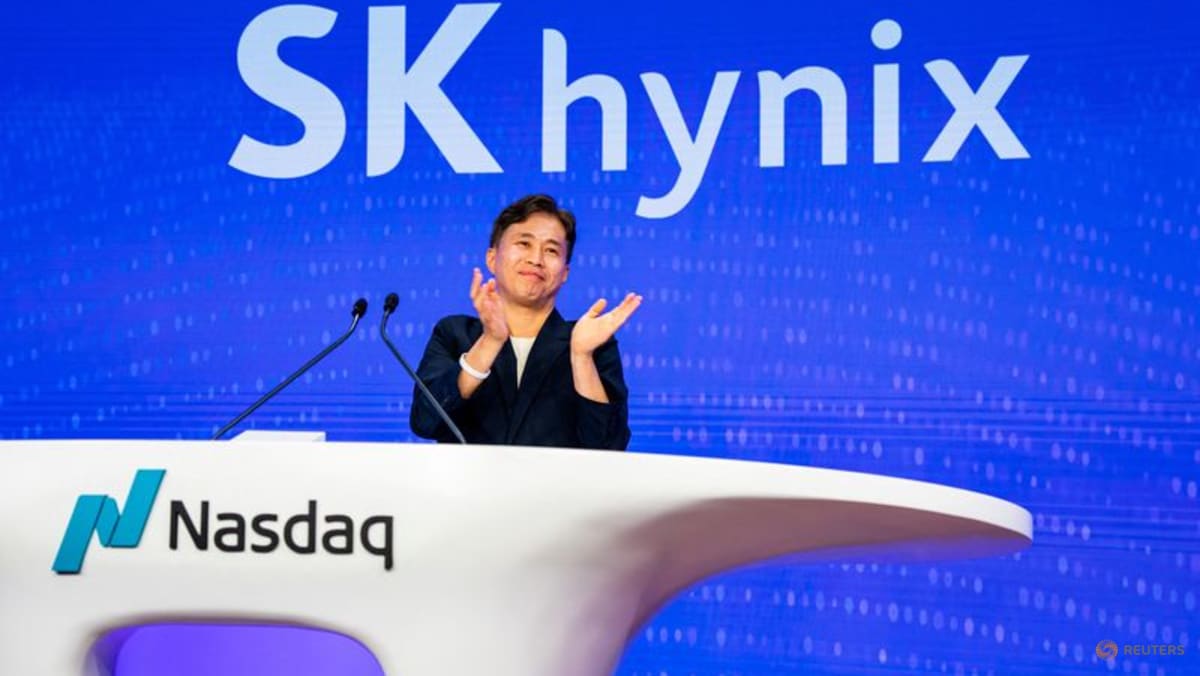
SK Hynix CEO Kwak Noh-jung warns of a severe memory supply shortage in 2027, driven by high demand and limited production capacity. The company is expanding its capacity and investing in new facilities, including a $4 billion chip packaging factory in Indiana.
Imagine you have a big box of Legos, but you need more Legos to build a really cool castle. That's kind of like what's happening with memory chips. There's not enough memory chips to meet the demand, and it's causing problems for companies that rely on them. SK Hynix is trying to fix this problem by building more factories and investing in new technology.
Analysis
A $60B Vote of Confidence
SK Hynix's recent IPO and aggressive expansion plans are a testament to the growing demand for memory chips. The company's CEO, Kwak Noh-jung, has forecasted that the global memory industry will face its worst-ever supply shortage in 2027, driven by high demand and limited production capacity. This shortage has significant implications for the tech industry, particularly for companies like Nvidia that rely heavily on memory chips.
To address the shortage, SK Hynix is expanding its capacity and investing in new facilities, including a $4 billion chip packaging factory in Indiana. The company is also participating in a plan by the South Korean government to double the country's memory chip production capacity within five years. This plan includes investment of 400 trillion won ($266 billion) each for chip production facilities in the southwest of the country.
However, some investors have expressed concerns that this plan could expose the firms to greater risk should a downturn occur. The AI investment cycle is also approaching a turning point, which has been responsible for the recent drag on chip shares. Concerns have mounted following reports that Apple is seeking to diversify parts of its semiconductor supply chain to include Chinese suppliers, and that Meta is looking to commercialize excess AI computing capacity.
Industry analysts, however, argue that memory supply continues to lag demand. Nvidia Chief Executive Jensen Huang said last month that shortages of AI memory would continue for several years due to strong demand, adding that SK Hynix would remain the company's largest memory supplier. UBS likewise expects the global DRAM industry to remain undersupplied.
Why Cursor?
The memory supply shortage is a complex issue that requires a multifaceted approach. SK Hynix's expansion plans and investment in new facilities are a step in the right direction, but more needs to be done to address the shortage. The tech industry must work together to ensure a stable supply of memory chips, particularly for companies like Nvidia that rely heavily on these chips.
The Road Ahead
The road ahead for SK Hynix and the tech industry is uncertain. The memory supply shortage is a pressing issue that requires immediate attention. However, with the right approach and investment, it is possible to address the shortage and ensure a stable supply of memory chips. The future of the tech industry depends on it.
Key points
- SK Hynix CEO Kwak Noh-jung forecasts the global memory industry will face its worst-ever supply shortage in 2027
- The company is expanding its capacity and investing in new facilities, including a $4 billion chip packaging factory in Indiana
- The memory supply shortage has significant implications for the tech industry, particularly for companies like Nvidia that rely heavily on memory chips
If SK Hynix's expansion plans and investment in new facilities are successful, it could lead to a significant increase in memory chip production, meeting the growing demand and reducing the shortage. This could also lead to increased competition in the market, driving prices down and making memory chips more affordable for consumers.
However, if the memory supply shortage persists, it could lead to increased costs and reduced production for companies like Nvidia, which rely heavily on memory chips. This could also lead to a decrease in innovation and investment in the tech industry, as companies may be less willing to take risks and invest in new technologies.