Smriti Mandhana named celebrity advocate by UNICEF India
Indian cricketer Smriti Mandhana, recently appointed national team captain, has been named a celebrity advocate by UNICEF India to champion girls' rights and empowerment. The announcement coincided with the International Day of the Girl.
Intelligence analysis by Gemini 2.5 Flash
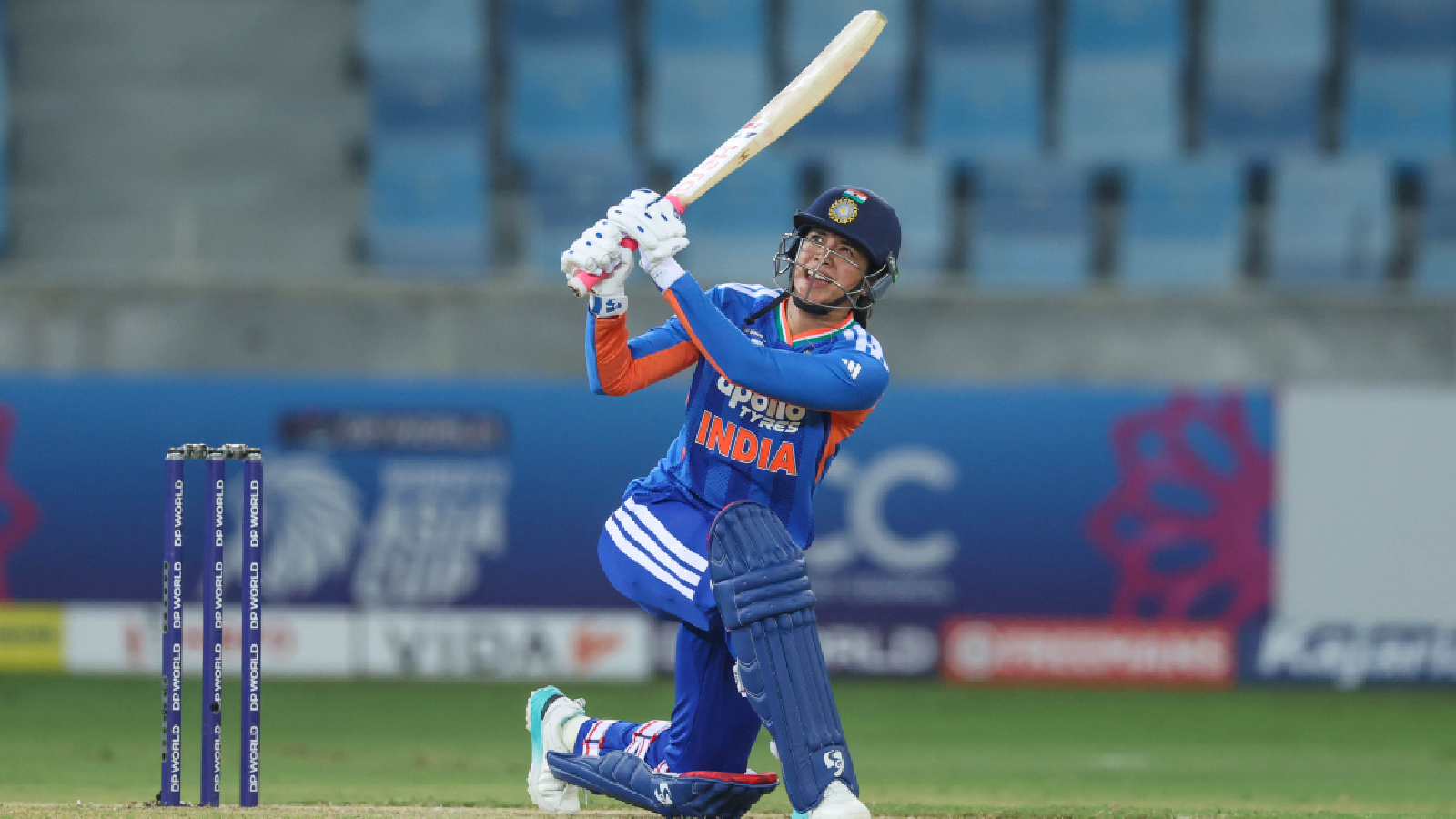
Smriti Mandhana, who recently took over as the full-time white-ball captain of the Indian women's cricket team, has been appointed a celebrity advocate for UNICEF India. In this new role, she will support initiatives focused on empowering adolescent girls, improving their health, and expanding their access to learning and leadership opportunities, a move welcomed by cricket legend Sac…
Imagine a superhero who is really good at cricket, like Smriti Mandhana. Now, she's also going to be a special helper for UNICEF India, an organization that helps kids. Her job is to use her fame to tell everyone how important it is for girls to have chances to learn, play, and become leaders, just like she did in cricket.
Analysis
Smriti Mandhana
Smriti Mandhana, a prominent figure in Indian women's cricket, has taken on a significant new role as a celebrity advocate for UNICEF India. This appointment comes shortly after she was handed the India captain's mantle, succeeding Harmanpreet Kaur as the full-time white-ball captain. Mandhana's dual responsibilities now position her as both a leading athlete and a vocal proponent for social change.
Her statement upon the announcement underscored her personal connection to the cause, noting that her journey in cricket taught her the importance of opportunity. She expressed a deep honor in joining UNICEF India, emphasizing that every child deserves the chance to dream big and realize their full potential. This perspective is particularly impactful given her own rise to international sporting success.
In her capacity as a celebrity advocate, Mandhana will actively support UNICEF India's programs aimed at adolescent girls. Her focus will be on empowering them, enhancing their health and well-being, and ensuring they have access to vital opportunities for learning, playing, and leadership. Her public platform and personal story are expected to resonate widely, particularly among young girls looking for role models.
UNICEF India
UNICEF India's decision to appoint Smriti Mandhana as a celebrity advocate aligns with its broader mission to champion children's rights and well-being across the country. The announcement was strategically timed to coincide with the International Day of the Girl, an annual observance dedicated to highlighting the rights of girls, their safety, leadership potential, and the persistent barriers they face globally. This timing amplified the message of empowerment and opportunity.
By partnering with a figure like Mandhana, UNICEF India aims to leverage her widespread popularity and inspirational story to reach a larger audience. Her role is crucial in drawing attention to the specific challenges faced by adolescent girls in India, including issues related to health, education, and social participation. The organization's efforts are focused on creating an environment where girls can thrive and make informed choices about their futures.
The collaboration is expected to strengthen UNICEF's advocacy campaigns, particularly those addressing gender equality and the importance of investing in girls' development. Mandhana's involvement provides a relatable and powerful voice that can inspire action and encourage communities to support initiatives that foster girls' potential and leadership capabilities.
Sachin Tendulkar
Cricket icon Sachin Tendulkar, a long-standing partner and Regional Ambassador for South Asia with UNICEF, warmly welcomed Smriti Mandhana to the UNICEF India family. Tendulkar's endorsement adds significant weight to Mandhana's new role, given his own extensive history of humanitarian work and his revered status in Indian society. His tweet, stating that Mandhana inspires millions on the field and will be a brilliant voice for children's rights off it, highlights the continuity of celebrity involvement in UNICEF's mission.
Tendulkar's long-term association with UNICEF has seen him advocate for various causes, including sanitation, health, and education. His public support for Mandhana's appointment reinforces the importance of athletes using their platform for social good. This inter-generational passing of the torch, from one cricketing legend to another rising star, symbolizes a sustained commitment to child welfare in India.
The presence of both Tendulkar and Mandhana in UNICEF's advocacy efforts creates a powerful synergy. It not only brings greater visibility to the organization's work but also provides diverse role models for children and young people across different demographics. Their combined influence can significantly amplify messages about children's rights and the empowerment of girls, fostering a broader societal impact.
Key points
- Smriti Mandhana was named a celebrity advocate by UNICEF India on International Day of the Girl.
- In her new role, Mandhana will support UNICEF's efforts to empower adolescent girls, improve their health, and provide opportunities.
- Cricket icon Sachin Tendulkar, a UNICEF Regional Ambassador, welcomed Mandhana to the family.
- Mandhana recently took over as the full-time white-ball captain of the Indian women's cricket team.
- She emphasized that every child deserves the chance to dream big and reach their full potential.
Mandhana's high profile as a national cricket captain and successful athlete could significantly boost UNICEF India's outreach, inspiring countless girls to pursue their dreams and access better opportunities. Her advocacy may lead to increased awareness and support for adolescent girls' health, education, and leadership development across the country.
While Mandhana's involvement is positive, the impact of celebrity advocacy can sometimes be limited if not backed by sustained, grassroots efforts and policy changes. There's a risk that the message might not reach the most vulnerable girls effectively without broader programmatic implementation.