Solar Replaces Diesel as Pakistan's Biggest Farm Irrigation Power Source, Diesel Tubewells Drop 36%
Pakistan's agriculture sector is witnessing a historic transformation as solar energy has officially surpassed diesel to become the country's leading source of power for irrigation.
Intelligence analysis by Llama
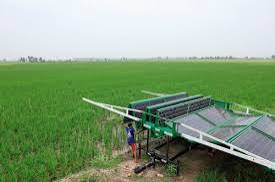
Pakistan's farmers are rapidly adopting renewable energy, with solar-powered tubewells and lift pumps now accounting for the largest share of irrigation systems, significantly reducing dependence on expensive diesel.
Pakistan's farmers are using solar energy to power their irrigation systems, which is helping them save money and be more productive. It's like switching from a expensive gas-powered generator to a free solar-powered one, but for farming!
Analysis
A $60B Vote of Confidence
Pakistan's agriculture sector is witnessing a historic transformation as solar energy has officially surpassed diesel to become the country's leading source of power for irrigation. According to the 7th Agricultural Census 2024, solar-powered tubewells and lift pumps now account for the largest share of irrigation systems, reflecting the rapid adoption of renewable energy by farmers across the country. The growing shift to solar is significantly reducing farmers' dependence on expensive diesel, helping lower operating costs while providing a more reliable and sustainable source of energy for irrigation.
Why Cursor?
The census recorded approximately 1.29 million solar-powered irrigation systems, surpassing 1.1 million diesel-powered units and 830,000 electric-powered systems. The figures highlight a major change in Pakistan's farming landscape, with renewable energy playing an increasingly important role in modernizing agriculture, improving energy security, and promoting environmentally sustainable farming practices across the country.
The Road Ahead
As fuel prices continue to fluctuate, solar-powered systems are enabling growers to irrigate their fields more efficiently without the burden of rising fuel expenses, ultimately supporting higher productivity and improved profitability. This shift to solar energy is crucial for Pakistan's agriculture sector, and it is expected to continue in the coming years, with the government and private sector investing heavily in renewable energy infrastructure.
Key points
- Solar energy has surpassed diesel to become the leading source of power for irrigation in Pakistan's agriculture sector.
- The 7th Agricultural Census 2024 recorded approximately 1.29 million solar-powered irrigation systems, surpassing 1.1 million diesel-powered units and 830,000 electric-powered systems.
- The shift to solar energy is reducing farmers' dependence on expensive diesel, helping lower operating costs and providing a more reliable and sustainable source of energy for irrigation.
If this trend continues, Pakistan's agriculture sector could become even more efficient and productive, leading to increased food security and economic growth. Additionally, the adoption of solar energy could help reduce the country's reliance on fossil fuels and mitigate the impact of climate change.
However, there are still challenges to be addressed, such as the high upfront costs of solar-powered systems and the need for a reliable and efficient grid to support the increased demand for electricity. If these challenges are not addressed, it could hinder the adoption of solar energy in Pakistan's agriculture sector.