Sudanese minister says war has ‘profoundly reshaped’ nation’s demographics
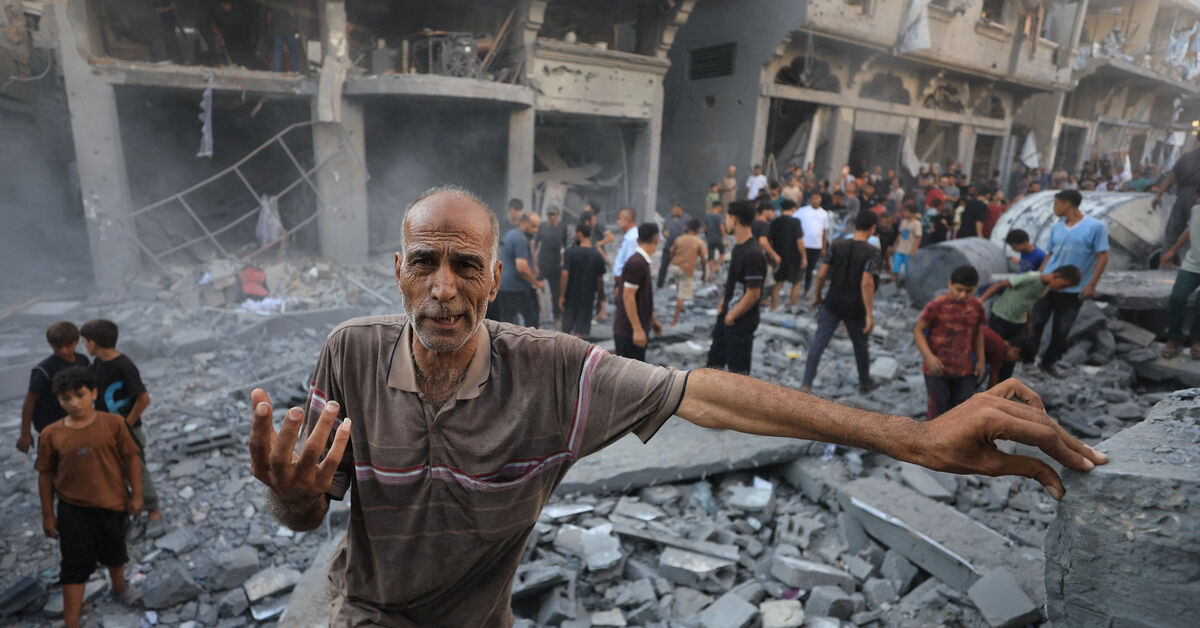
A Sudanese minister says the country's war has profoundly reshaped its demographic makeup, displacing millions and affecting poverty levels, basic services, and the labour market.
Intelligence analysis by Llama

Sudan's war has led to a significant demographic shift, with millions displaced and a large segment of citizens losing their income. The minister says the government will work to strengthen social protection programmes and link them to population policies.
Sudan's war has displaced millions of people and changed the country's demographics. The government is working to help people and rebuild the country's human capital.
Analysis
A Profoundly Reshaped Demography
The war in Sudan has had a profound impact on the country's demographics, displacing millions of people and affecting poverty levels, basic services, and the labour market. According to the minister, the most significant demographic changes caused by the war include a general increase in poverty levels, a large segment of citizens losing their income, the deterioration of basic services in a number of areas, and a decline in the labour market and human capital.
The war has not only displaced millions of people internally in South Darfur, North Darfur, and Central Darfur states but has also forced tens of thousands of others to seek asylum in neighboring countries, including Egypt, South Sudan, and Chad. The minister says that the government will work to strengthen social protection programmes and link them to population policies, the voluntary return of refugees, the reintegration of displaced people, and human resource development to contribute to rebuilding the country's human capital as the cornerstone of national recovery and sustainable development.
A Demographic Dividend
Sudan is distinct in its demographic structure, with a large youth population, with about 70 percent of the population under the age of 30, according to data from the last census conducted in 2008. Experts say that this large youth population gives Sudan a demographic dividend that could drive economic development. However, young people have faced challenges such as limited access to education, scarce job opportunities, and widespread poverty, even before the conflict turned them into one of the worst-affected groups.
A Long-Term Challenge
The war has not only deepened the demographic imbalance but has also raised questions that still require precise answers, such as the actual scale of human losses, how the war has affected mortality rates, how it has changed patterns of marriage and childbearing, the impact of displacement and migration on birth rates and age structure, and how the emigration of skilled professionals will affect the size of the workforce in coming years. Answers to these questions form the basis for any economic or social planning in the post-war phase.
A Path Forward
The minister says that investing in people is the real investment in Sudan's future. The more they succeed in restoring population stability and empowering citizens economically and socially, the closer they come to building a more stable, just, and prosperous homeland. The government will work to strengthen Sudan's population policies and link them to social protection, the voluntary return of refugees, the reintegration of displaced people, and human resource development to contribute to rebuilding the country's human capital as the cornerstone of national recovery and sustainable development.
Key points
- Sudan's war has profoundly reshaped its demographic makeup, displacing millions and affecting poverty levels, basic services, and the labour market.
- The minister says the government will work to strengthen social protection programmes and link them to population policies.
- Sudan has a large youth population, with about 70 percent of the population under the age of 30, which could drive economic development.
- However, young people have faced challenges such as limited access to education, scarce job opportunities, and widespread poverty.
- The war has raised questions that still require precise answers, such as the actual scale of human losses, mortality rates, and the impact of displacement and migration on birth rates and age structure.
If the government succeeds in restoring population stability and empowering citizens economically and socially, Sudan could build a more stable, just, and prosperous homeland. Investing in people is the real investment in Sudan's future.
The war has created a long-term demographic imbalance, and the actual scale of human losses, mortality rates, and the impact of displacement and migration on birth rates and age structure are still unknown. This could lead to a decline in the labour market and human capital, making it challenging for Sudan to rebuild its economy.