Surging fuel prices push UK inflation rate to 3.5% ahead of Budget
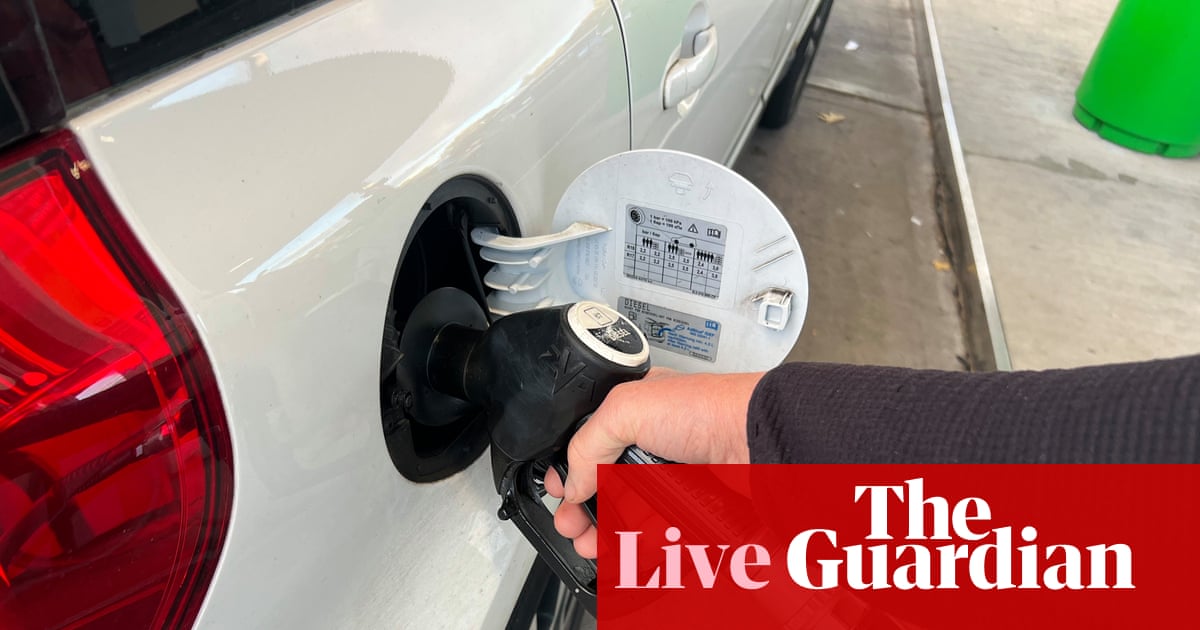
The UK's inflation rate accelerated to 3.5% in the year to September, up from 3.1%, primarily driven by a significant rise in petrol and diesel prices.
Intelligence analysis by Gemini 2.5 Flash

Ahead of Chancellor John Healey's first Budget, the UK experienced a notable increase in its inflation rate, reaching 3.5%. This acceleration was largely attributed to soaring motor fuel costs, which have been impacted by ongoing conflicts in the Middle East and Europe disrupting global oil supplies.
Imagine if the special juice that makes cars go suddenly became much more expensive because there were problems getting it from far-off lands. That's what's happening with petrol and diesel in the UK, making everything a bit pricier, like your favorite snacks or toys, because it costs more to bring them to the shops. This means your parents' money doesn't stretch as far as it used to.
Analysis
The latest figures from the Office for National Statistics (ONS) reveal a concerning acceleration in the UK's inflation rate, climbing to 3.5% in the year to September from 3.1% previously. This marks the highest rate in almost a year, signaling persistent inflationary pressures within the economy. While motor fuel prices were the primary driver, ONS chief economist Grant Fitzner also highlighted rising costs for airfares, computer games, and live events as contributing factors to the overall increase. The broad nature of these price hikes suggests that inflationary pressures are not confined to a single sector, posing a wider challenge for economic stability and household budgets.
3.5%
The UK's inflation rate hitting 3.5% in September represents a significant jump from the previous month's 3.1%. This acceleration is largely attributable to a sharp increase in motor fuel prices, with petrol rising by 8.2p per litre to 169.5p and diesel to 192.5p per litre between August and September. Overall, motor fuel prices surged by 29.8% in the period covered by the ONS figures, reaching their highest levels since August 2022. This substantial increase in transport costs directly impacts consumers through higher prices at the pump and indirectly through increased costs for goods and services that rely on transportation, exacerbating the broader cost of living crisis.
Strait of Hormuz
Global geopolitical events are playing a critical role in the current inflationary environment, particularly concerning energy prices. The article explicitly links the surge in fuel costs to ongoing conflicts in the Middle East and Europe, which have severely squeezed global oil supplies. A key disruption mentioned is the effective closure of the Strait of Hormuz by Iran following US and Israeli attacks, which has significantly hampered a major global supply line for crude oil. Furthermore, oil refining capacity worldwide has been negatively affected by Russian and Ukrainian attacks on each other's infrastructure. These supply-side shocks reduce the availability of crude oil and refined products, inevitably leading to higher prices for consumers globally, including in the UK.
John Healey
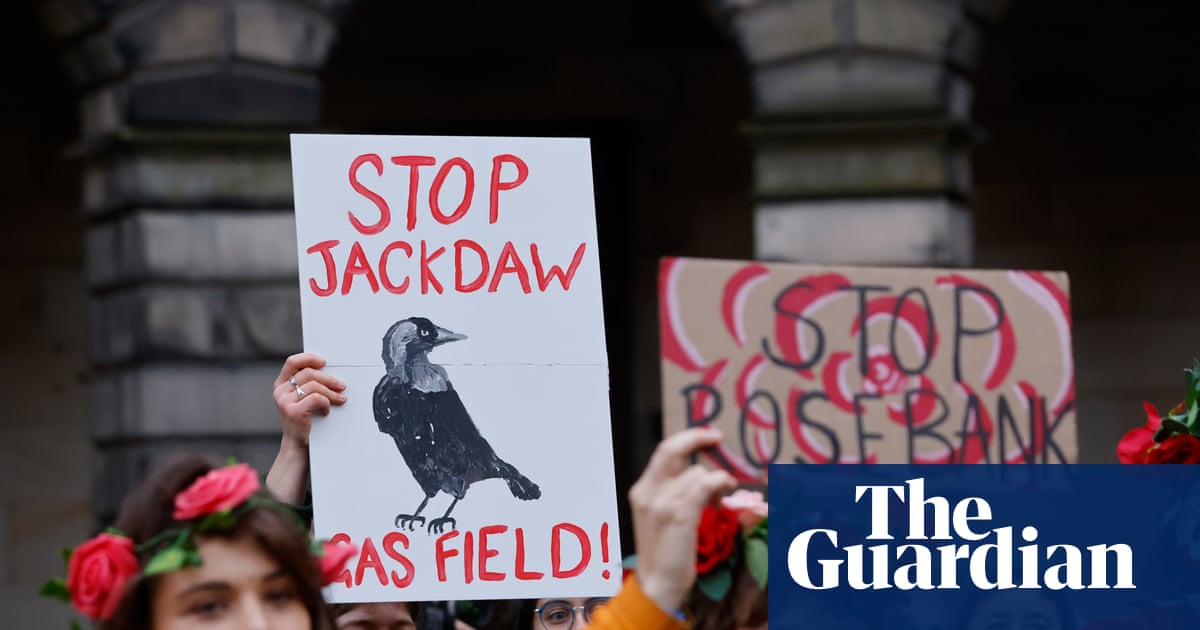
Chancellor John Healey faces a challenging economic backdrop as he prepares to deliver his first Budget on October 28. The rising inflation rate, coupled with increased government borrowing of £25 billion in September—£1.8 billion higher than a year earlier due to elevated debt interest costs—underscores the fiscal pressures. Healey acknowledged that price rises from international conflicts are impacting Britain and other nations. He emphasized the government's commitment to fiscal discipline, citing praise from the International Monetary Fund, and highlighted the recent approval for extracting more gas from the North Sea's Jackdaw field as a measure to bolster energy security. The upcoming Budget is expected to maintain this momentum by adhering to self-imposed fiscal rules and fostering growth while providing some relief to businesses and families.
Key points
- UK inflation rose to 3.5% in the year to September, up from 3.1%, marking its highest rate in almost a year.
- The primary driver of the inflation increase was surging petrol and diesel prices, which reached their highest levels since August 2022.
- Global conflicts in the Middle East and Europe, including the effective closure of the Strait of Hormuz, are squeezing oil supplies.
- The government borrowed £25 billion in September, £1.8 billion more than a year earlier, partly due to higher debt interest costs.
- Chancellor John Healey is set to deliver his first Budget on October 28, aiming to maintain fiscal discipline and drive growth.
Chancellor John Healey's commitment to fiscal discipline, praised by the International Monetary Fund, suggests a stable approach to managing the economy. The approval for more gas extraction from the North Sea's Jackdaw field could help improve domestic energy security and potentially mitigate future price shocks, offering some breathing space for businesses and families.
The continued escalation of conflicts in the Middle East and Europe could further disrupt global oil supplies, leading to sustained high fuel prices and exacerbating the UK's inflation problem. Increased government borrowing, driven by higher debt interest costs, could limit the Chancellor's ability to provide significant relief to households and businesses in the upcoming Budget.
Market signals
- OIL Conflicts in the Middle East and Europe, along with disruptions like the effective closure of the Strait of Hormuz, are squeezing global oil supplies and pushing prices higher.
AI-generated analysis of potential market relevance. Not financial advice.