UK inflation jumps to 3.5% on rising motor fuels costs; UK approves Jackdaw gasfield – business live
UK inflation rose to 3.5% due to surging motor fuel costs, while the government approved the controversial Jackdaw gas field in the North Sea, sparking debate over energy security and climate impact.
Intelligence analysis by Gemini 2.5 Flash
The UK is grappling with a significant jump in inflation, primarily driven by the highest increase in petrol and diesel costs in four years. Concurrently, the government has given the green light to the Jackdaw gas field, a move lauded by energy companies for boosting domestic energy security but criticized by environmental groups and some politicians.
Imagine your pocket money doesn't buy as much candy as it used to, because the price of candy went up. That's a bit like inflation, which just jumped in the UK because petrol and diesel (the fuel for cars) got much more expensive. At the same time, the government said 'yes' to digging up more gas from under the sea, like finding a new stash of toys, hoping it will help keep homes warm and power running, even though some people worry about its effect on the planet.
Analysis
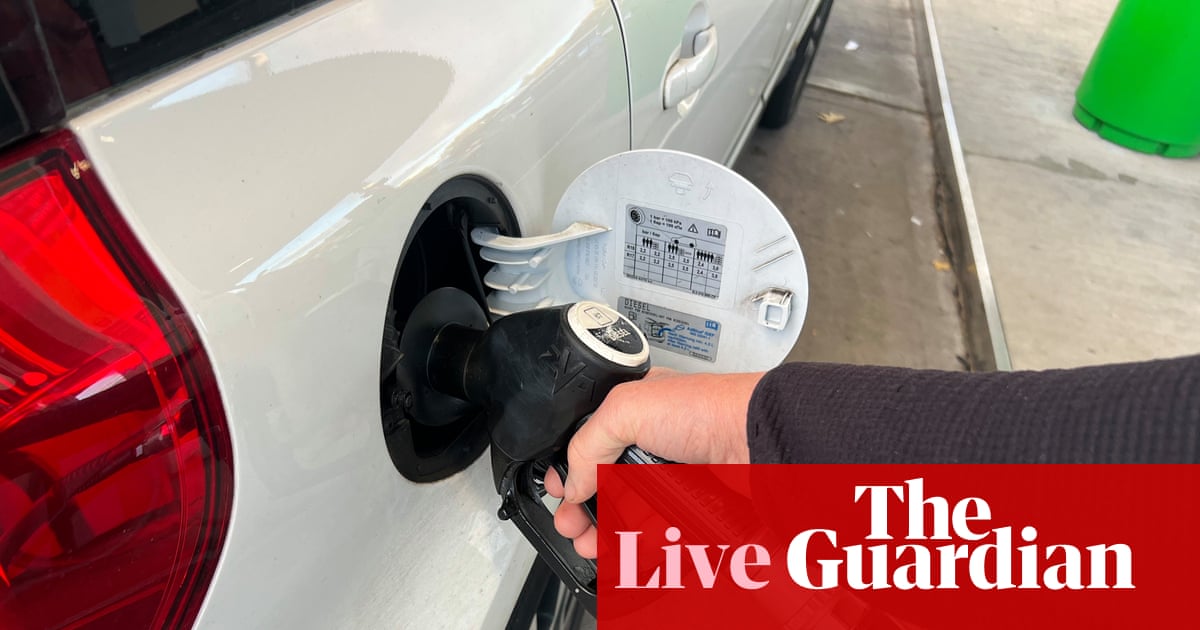
The latest economic data reveals a concerning acceleration in UK inflation, reaching 3.5% primarily due to a sharp increase in motor fuel prices. This surge in petrol and diesel costs, the largest in four years, directly impacts household budgets and contributes to the broader cost-of-living crisis. The Office for National Statistics noted that rising inflation has also significantly increased the government's debt interest payments, with September seeing the highest figure on record at £10.9bn, partly linked to the retail prices index and higher energy costs from the Iran war.
Jackdaw
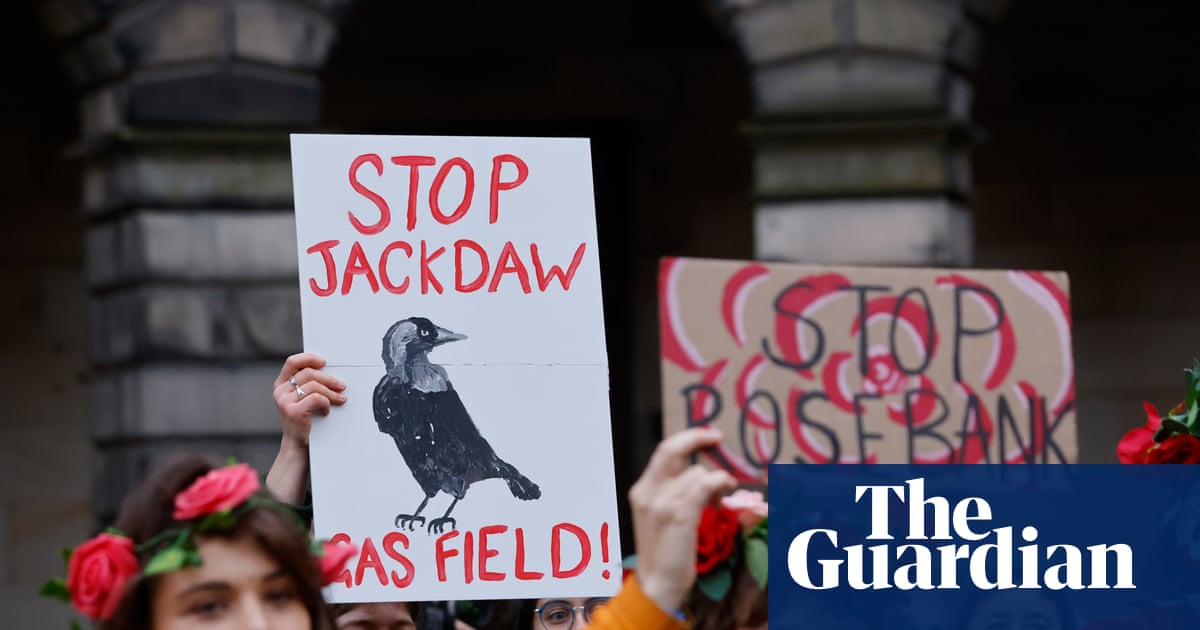
The UK government's approval of the Jackdaw gas field in the North Sea marks a significant development for the country's energy strategy. Shell, a joint owner of the operator Adura, hailed the decision as an "important step" for UK energy security and the economy, emphasizing the need for a stable investment environment for long-term energy projects. The field, located 150 miles east of Aberdeen, has been a subject of intense lobbying by Shell and Norway's Equinor, with a commissioned report suggesting that rejecting such projects could cost the UK economy nearly £10.8bn over the next decade.
Adura's chief executive, Neil McCulloch, defended Jackdaw's environmental credentials, claiming its carbon intensity is equivalent to Norwegian pipe gas, at eight kilogrammes per barrel of oil equivalent. He highlighted that the project does not involve flaring and would bring jobs and economic value to the UK, supporting the supply chain's transition towards renewables. However, environmental campaigners and some Labour MPs have strongly condemned the approval, with the Green party leader labeling it "climate vandalism," underscoring the deep divisions over fossil fuel expansion amidst climate change concerns.
3.5%
The jump in UK inflation to 3.5% is a critical indicator of the economic pressures facing the nation. This figure, largely propelled by the rising cost of motor fuels, directly translates into higher expenses for consumers and businesses, squeezing disposable incomes and potentially dampening economic activity. The increase in the retail prices index (RPI) has a direct impact on government finances, as some government bonds are linked to RPI, leading to higher debt interest payments.
This inflationary pressure is not isolated, with the article noting that the Iran war has contributed to higher energy costs globally, which in turn feeds into domestic inflation. The Bank of England will be closely monitoring these figures as it considers future monetary policy decisions, balancing the need to control inflation with supporting economic growth. The persistence of high inflation could necessitate further policy interventions, impacting borrowing costs for both the government and private sector.
£24.5bn
The UK Treasury recorded a higher-than-expected budget deficit of £24.5bn last month, a figure that places significant pressure on Chancellor John Healey ahead of his upcoming budget. A substantial portion of this deficit, £10.9bn, was attributed to debt interest payments, marking the highest September figure since records began. This surge in debt servicing costs is directly linked to the rising inflation, particularly the retail prices index, which influences payments on inflation-linked government bonds.
This fiscal challenge underscores the tightrope walk the government faces in managing its finances amidst economic headwinds. The need to fund public services while contending with escalating debt costs leaves less room for maneuver, potentially influencing decisions on taxation, public spending, and investment incentives. Market strategists, such as Lale Akoner from eToro, suggest that the upcoming budget, particularly any reforms to the windfall tax, could be a more significant catalyst for investors than the Jackdaw approval itself, as the government seeks to encourage further investment while addressing its fiscal position.
Key points
- UK inflation rose to 3.5%, primarily driven by the largest increase in motor fuel costs in four years.
- The UK government approved the controversial Jackdaw gas field in the North Sea, a move supported by Shell and Equinor for energy security.
- Adura CEO claims Jackdaw's environmental performance is equivalent to Norwegian gas, despite campaigner concerns about pollution.
- The approval is seen as a win for UK energy security but not a quick fix for the cost-of-living crisis, as it meets only a small fraction of total demand.
- UK borrowing hit £24.5bn in September, with £10.9bn spent on debt interest, the highest September figure on record, exacerbated by rising inflation.
The approval of the Jackdaw gas field is expected to enhance the UK's energy security by providing around 6% of domestic gas production, reducing reliance on global markets. This decision also removes regulatory uncertainty for major investors like Shell and Equinor, potentially encouraging further investment in the North Sea and supporting jobs in the energy sector.
Despite the Jackdaw approval, households should not expect cheaper energy bills this winter, as the field will only meet about 2% of total demand, leaving Britain exposed to global energy prices. The rising inflation, particularly in motor fuels, continues to fuel the cost-of-living crisis and has significantly increased government borrowing costs, adding pressure to public finances.