Surviving extreme heat increasingly boils down to this: access to air conditioning
Access to air conditioning is becoming a matter of life and death as extreme heat becomes a deadly form of weather. Low-income households struggle to afford cooling, and in many developing countries, the electric grid cannot support air conditioners even if they were affo…
Intelligence analysis by Llama
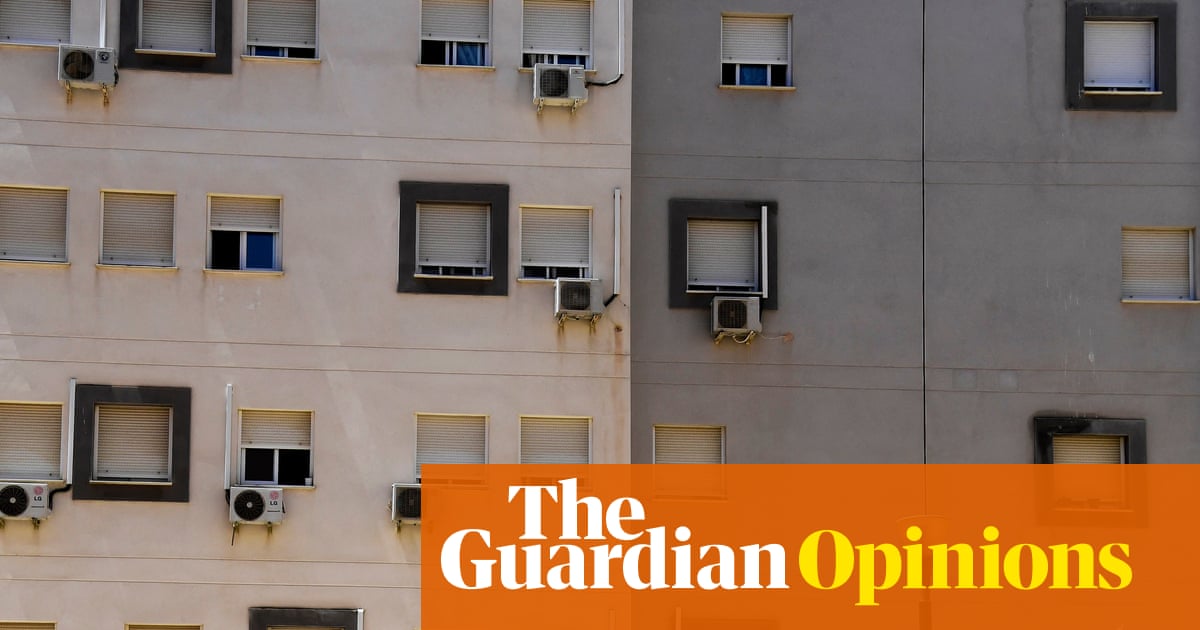
The next great climate divide will be between countries that have the resources to adapt to extreme heat and those that don't. The solution is not just to ship air conditioners to developing countries but to help them invest in cheaper, more stable forms of clean and secure energy.
Imagine you're living in a hot place with no air conditioning. You have to choose between paying the electric bill and keeping your home safe during periods of extreme heat. This is a problem that many people face, especially in developing countries. The solution is not just to give them air conditioners but to help them build the infrastructure needed to live safely in a warmer climate.
Analysis
The Next Great Climate Divide
The article highlights the growing divide between countries that have the resources to adapt to extreme heat and those that don't. This divide is not just a matter of humanitarian concern but also a strategic investment in global health, economic stability, and human resilience. The author argues that wealthy countries have a responsibility to help lower-income countries build reliable electricity systems and invest in cheaper, more stable forms of clean and secure energy.
The Challenge of Access to Air Conditioning
In many developing countries, the electric grid cannot support air conditioners even if they were affordable. The author notes that the solution is not just to ship air conditioners to these countries but to help them invest in the infrastructure needed to live safely in a warmer climate. This includes expanding electricity systems, improving housing, increasing access to efficient cooling, strengthening public health planning, and protecting vulnerable populations.
The Strategic Investment
The author argues that helping lower-income countries build reliable electricity systems is not just a humanitarian obligation but also a strategic investment. If wealthy countries fail to become meaningful partners in financing climate adaptation, other countries will fill that vacuum, expanding both their economic influence and their geopolitical ties across much of the developing world. Climate policy has long been measured by how much carbon the world can avoid emitting, but over the coming decades, it may also be judged by whether the world's wealthiest countries were willing to help billions of people in the global south adapt to a hotter planet.
Key points
- Access to air conditioning is becoming a matter of life and death as extreme heat becomes a deadly form of weather.
- Low-income households struggle to afford cooling, and in many developing countries, the electric grid cannot support air conditioners even if they were affordable.
- The solution is not just to ship air conditioners to developing countries but to help them invest in cheaper, more stable forms of clean and secure energy.
- Wealthy countries have a responsibility to help lower-income countries build reliable electricity systems and invest in climate adaptation.
- Climate policy has long been measured by how much carbon the world can avoid emitting, but over the coming decades, it may also be judged by whether the world's wealthiest countries were willing to help billions of people in the global south adapt to a hotter planet.
If wealthy countries invest in climate adaptation in the global south, it could lead to a more equitable and resilient world. This investment could also create new economic opportunities and improve global health outcomes.
If wealthy countries fail to invest in climate adaptation in the global south, it could lead to a widening of the climate divide and increased inequality. This could also have negative impacts on global health, economic stability, and human resilience.