Taiwanese Chip Maker TSMC Surpasses Expectations with Record $19.15 Billion Profit
Taiwanese chip maker TSMC has reported a record profit of $19.15 billion in the second quarter, surpassing analyst expectations. The company's strong performance is attributed to its growing business with modern high-performance chips, which now accounts for about a quart…
Intelligence analysis by Llama
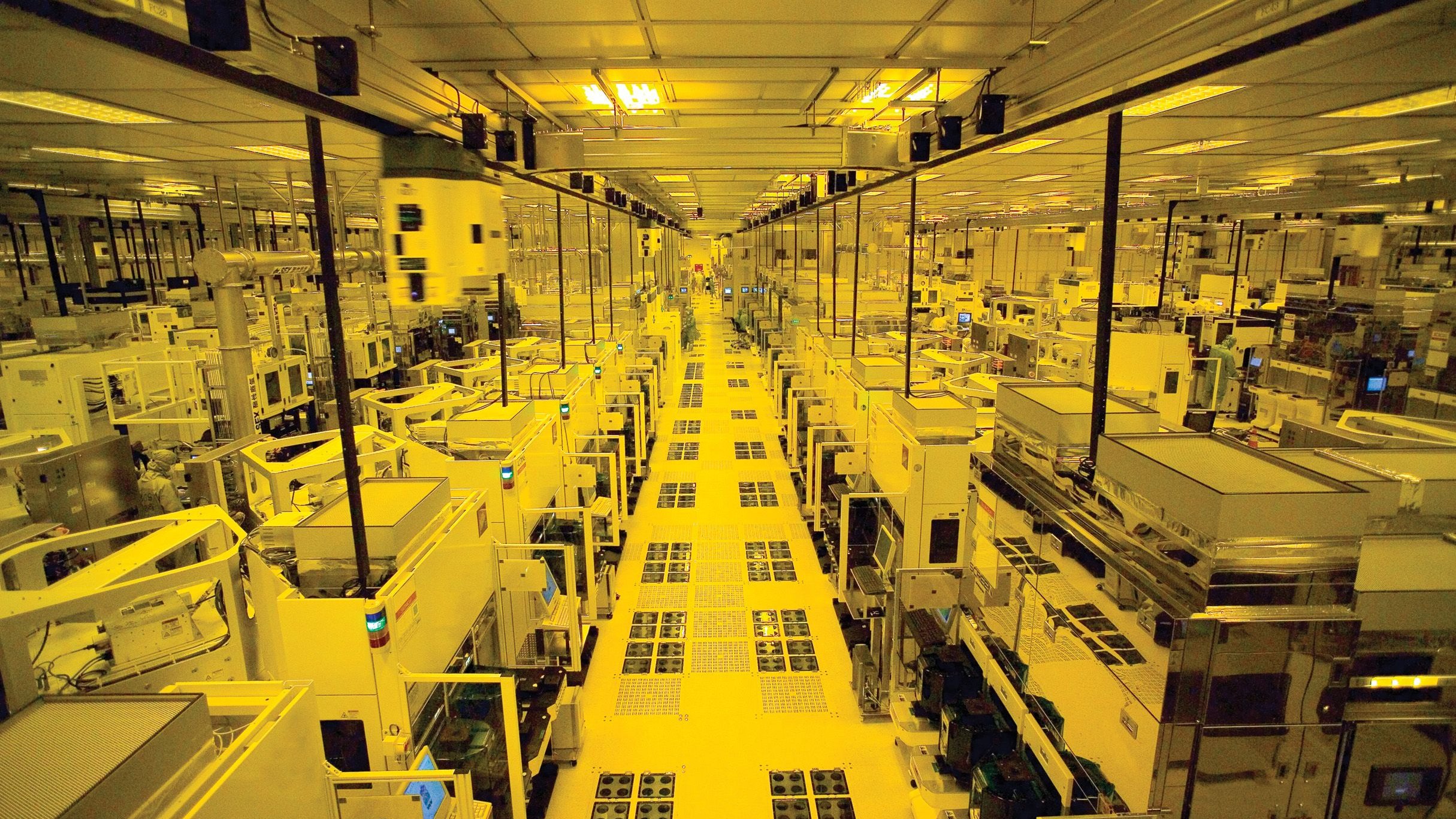
TSMC's record profit is driven by its growing business with modern high-performance chips, which now accounts for about a quarter of its total revenue. The company's strong performance has surpassed analyst expectations, with a 77% increase in profit compared to the previous quarter.
TSMC is a company that makes special computer chips called high-performance chips. These chips are really good at doing lots of things at the same time, which is helpful for things like artificial intelligence and cloud computing. Because of this, lots of companies want to buy these chips from TSMC, which is making the company a lot of money.
Analysis
A $60B Vote of Confidence in TSMC's Future
TSMC's record profit is a testament to the company's ability to adapt to changing market demands and capitalize on emerging trends. The company's focus on modern high-performance chips has paid off, with this segment now accounting for about a quarter of its total revenue. This shift in focus has enabled TSMC to tap into the growing demand for high-performance computing, which is driving the company's success.
Why TSMC's Success Matters to the Tech Industry
TSMC's success has significant implications for the tech industry, particularly in the areas of artificial intelligence, machine learning, and cloud computing. The company's ability to produce high-performance chips at scale is critical to the development of these technologies, which are driving innovation and growth in the industry. Furthermore, TSMC's success has a ripple effect on the global supply chain, with the company's customers and partners benefiting from its strong performance.
The Road Ahead for TSMC
As TSMC continues to grow and expand its business, the company will need to navigate the challenges of an increasingly competitive market. The company will need to invest in research and development to stay ahead of the curve and continue to innovate in the areas of high-performance computing and artificial intelligence. Additionally, TSMC will need to balance its growth with the need to maintain its profitability and competitiveness in the market.
Key points
- TSMC reported a record profit of $19.15 billion in the second quarter, surpassing analyst expectations.
- The company's strong performance is attributed to its growing business with modern high-performance chips.
- TSMC's focus on high-performance chips has enabled the company to tap into the growing demand for high-performance computing.
If TSMC continues to innovate and adapt to changing market demands, the company's future looks bright. The growing demand for high-performance chips and the company's strong performance in the second quarter suggest that TSMC is well-positioned to continue its success in the years to come.
However, TSMC's success is not without its challenges. The company will need to navigate the increasingly competitive market and invest in research and development to stay ahead of the curve. Additionally, TSMC will need to balance its growth with the need to maintain its profitability and competitiveness in the market.