The One Town That Wants a Data Center
Jay, Maine, is the only town in the state to support a data center, despite 70% of Americans opposing such construction. The town's leaders have lobbied the governor to preserve the project, citing the potential for 125 jobs and the site's existing infrastructure.
Intelligence analysis by Llama
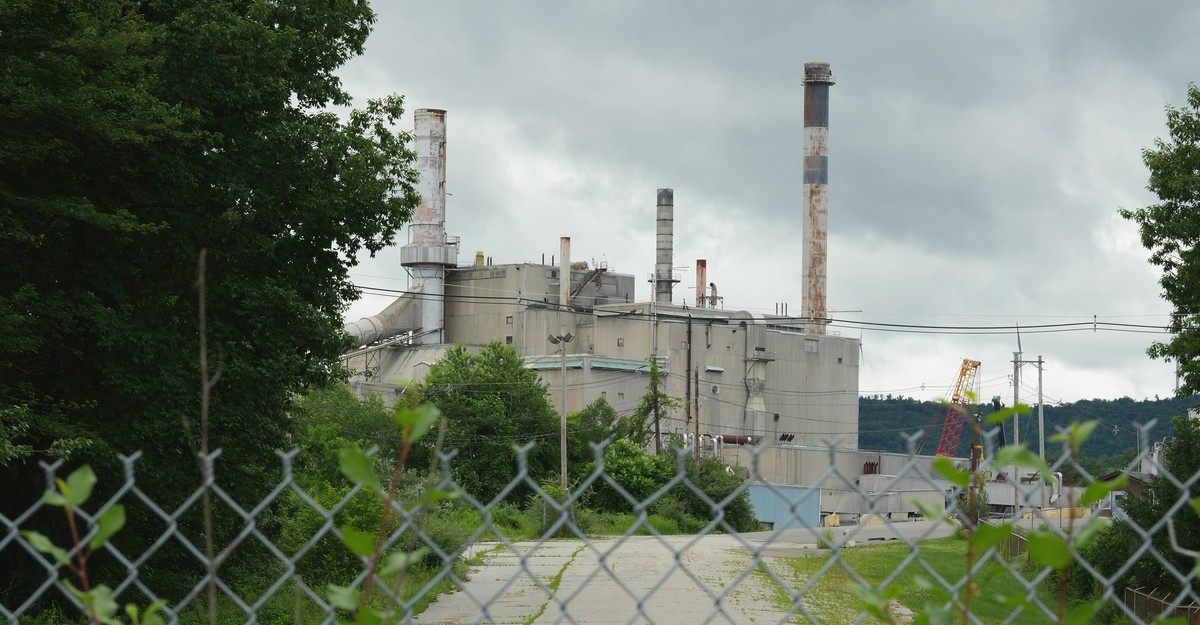
Jay, Maine, is an exception to the national trend of opposing data centers, with its leaders supporting a project that could bring 125 jobs and utilize the site's existing infrastructure.
Jay, Maine, is a small town that's struggling to find ways to create jobs and stimulate its economy. The town's leaders think they've found a solution in a data center, which would bring 125 jobs to the area and utilize the site's existing infrastructure. The town's leaders are so confident in the project that they've lobbied the governor to preserve it, despite the fact that 70% of Americans oppose data center construction. The data center would be built on the site of a former paper mill, which was once a major employer in the area. The town's leaders see the data center as a way to revitalize the area and bring new life to the town.
Analysis
A $60B Vote of Confidence
Jay, Maine, is a small town with a big problem: it's struggling to find ways to create jobs and stimulate its economy. The town's leaders have been searching for a solution for years, and they think they've found it in a data center. The data center, which is being developed by a company called JGT2, would bring 125 jobs to the area and utilize the site's existing infrastructure. The town's leaders are so confident in the project that they've lobbied the governor to preserve it, despite the fact that 70% of Americans oppose data center construction.
Why Cursor?
The town's support for the data center is not just about the jobs it would bring. It's also about the town's history and its people. Jay has a long history of industry, and the town's leaders are proud of the fact that they're trying to preserve that history. The data center would be built on the site of a former paper mill, which was once a major employer in the area. The town's leaders see the data center as a way to revitalize the area and bring new life to the town.
The Road Ahead
The data center project is not without its challenges. The town's leaders face opposition from residents who are concerned about the environmental impact of the project. They're also worried about the potential for the data center to drive up electricity costs. Despite these challenges, the town's leaders are confident that the project will move forward. They're working with the governor's office to address the concerns of residents and to ensure that the project is done in a way that benefits the town.
The story of Jay, Maine, highlights the complexities of local politics and the potential benefits of data centers. While data centers are often met with resistance nationwide, the town of Jay is embracing the project as a way to create jobs and stimulate its economy. The town's leaders are confident that the project will move forward, despite the challenges they face.
Key points
- Jay, Maine, is the only town in the state to support a data center.
- The town's leaders have lobbied the governor to preserve the project.
- The data center would bring 125 jobs to the area and utilize the site's existing infrastructure.
- The town's leaders are confident that the project will move forward despite opposition from residents.
If the data center project moves forward, it could bring new life to the town of Jay and create jobs for its residents. The project could also serve as a model for other towns looking to revitalize their economies.
The data center project faces opposition from residents who are concerned about the environmental impact of the project. They're also worried about the potential for the data center to drive up electricity costs. If the project is not done in a way that benefits the town, it could lead to further economic decline and decreased quality of life for residents.