‘To hide roll manipulation’: Cong questions EC over withholding ECINET details
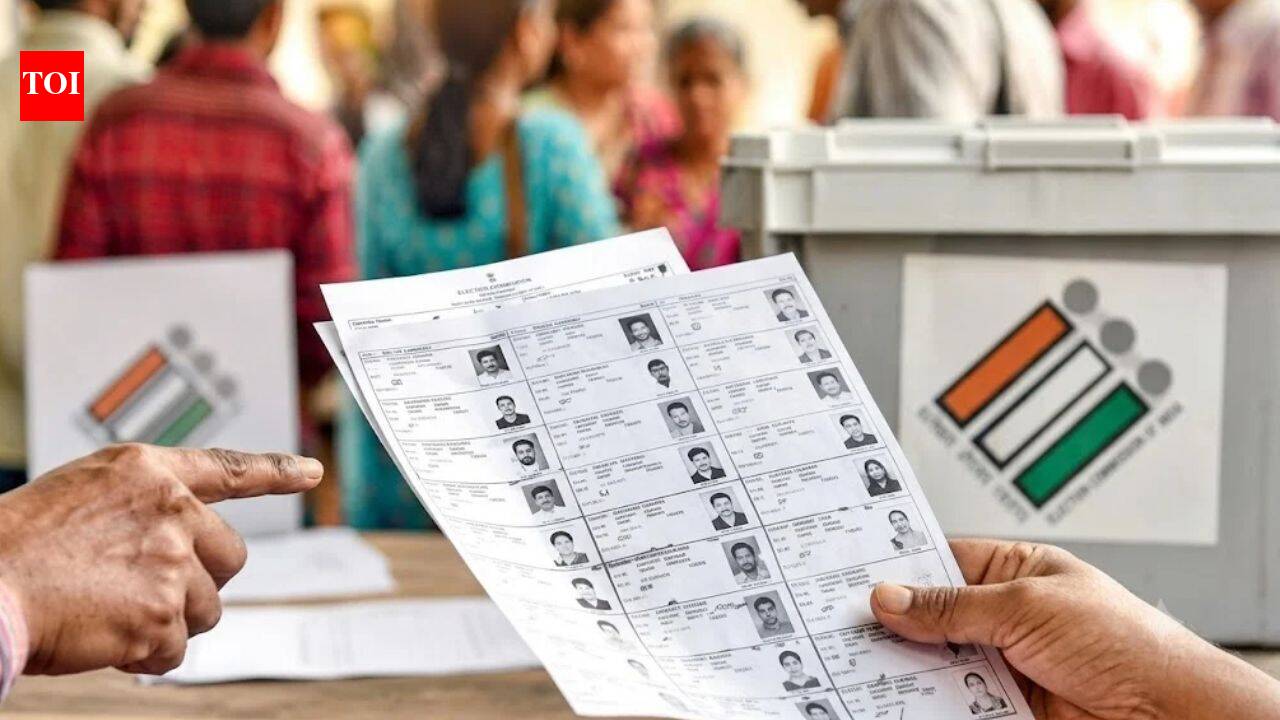
The Congress party has intensified its criticism of the Election Commission (EC), alleging that the poll body's refusal to disclose details of its ECINET software is an attempt to conceal "centralised manipulation" in electoral roll revisions.
Intelligence analysis by Gemini 2.5 Flash
The Congress party is questioning the Election Commission's transparency regarding its ECINET software, used for detecting errors in voter rolls. Citing a report, the party claims the EC's refusal to share details, citing commercial confidence, is a cover-up for alleged "massive, centralised manipulation" during the Special Intensive Revision exercise, further damaging public trust.
Imagine a school election where the teachers are in charge of making sure everyone's name is on the right list to vote. Now, imagine the teachers use a special computer program to check these lists, but they won't tell anyone how the program works or even what it's called. Some students and parents are worried that the teachers are hiding something and might be changing the lists unfairly. They want the teachers to be open about the program so everyone can trust the election.
Analysis
The ongoing controversy surrounding the Election Commission's ECINET software has escalated, with the Congress party launching a strong offensive against the poll body. The core of the dispute lies in the EC's steadfast refusal to divulge specific details about the software, which is reportedly utilized for identifying errors and anomalies within the electoral rolls during the Special Intensive Revision (SIR) exercise. The EC has cited grounds of "commercial confidence, trade secrets and intellectual property" as reasons for withholding this information, claiming exemption under the Right to Information (RTI) Act.
ECINET Software
The ECINET software is at the heart of the current political contention, with the Congress party alleging that the Election Commission's secrecy around its operational details is a deliberate attempt to obscure significant irregularities. The party specifically points to a report by The Hindustan Times, which highlighted the EC's refusal to disclose the software's name and version. This lack of transparency, according to the Congress, has severely undermined the credibility of the entire electoral roll revision process among citizens, fostering an environment of suspicion regarding the integrity of the system.
Furthermore, the Congress has questioned why information about the software's developer, Tata Consultancy Services (TCS), came from the company itself rather than the Election Commission. This perceived lack of proactive disclosure by the EC has fueled accusations that the poll body is making "flimsy" excuses to avoid revealing what the Congress describes as "massive, centralised manipulation." The party also claims that artificial intelligence is being used in the electoral roll revision, despite the commission's repeated denials, adding another layer of concern regarding the technological tools employed.
Jairam Ramesh
Congress general secretary in-charge of communications, Jairam Ramesh, has been a prominent voice in this criticism, using social media platform X to articulate the party's concerns. Ramesh directly accused the Election Commission of withholding information to conceal the reality of widespread manipulation that he believes has occurred. His statements underscore the Congress's position that the EC's actions are eroding public trust and transparency in a critical democratic function.
Ramesh also referenced an earlier report by The Indian Express, which had previously triggered protests across the country, particularly in Delhi, demanding the resignation of Chief Election Commissioner Gyanesh Kumar. These protests were a direct response to alleged irregularities identified during the SIR exercise, indicating a broader public discontent. The Congress leader further highlighted that the ECINET software and the IT Division of the ECI had been the subject of objections raised by Election Commissioners Sukhbir Singh Sandhu and Vivek Joshi, with complaints even reaching the Department of Personnel and Training (DoPT), which falls under the Prime Minister's purview. This suggests internal dissent and external scrutiny regarding the software's use and the revision process.
Special Intensive Revision
The Special Intensive Revision (SIR) of electoral rolls is the specific exercise where the alleged manipulation and lack of transparency are said to have occurred. The Congress has labeled this process as "disastrous," pointing to the widespread protests and demands for the resignation of Chief Election Commissioner Gyanesh Kumar as evidence of its problematic nature. The allegations suggest that the SIR exercise, intended to update and correct voter lists, has instead become a vehicle for "centralised manipulation," potentially impacting the fairness of future elections.
The controversy surrounding SIR is not new, with earlier reports from The Indian Express having already brought the issue to public attention and sparked demonstrations. The fact that objections were reportedly raised by Election Commissioners Sukhbir Singh Sandhu and Vivek Joshi within the EC itself, and that these complaints escalated to the DoPT, indicates the seriousness of the concerns. The Congress's reiteration of the demand for Kumar's resignation and the suspension of the SIR exercise reflects the party's deep distrust in the current process and its call for immediate corrective action to restore faith in the electoral system.
Key points
- Congress alleges the Election Commission (EC) is withholding ECINET software details to hide "centralised manipulation" in electoral roll revisions.
- The EC cites "commercial confidence, trade secrets and intellectual property" for refusing to disclose information under the RTI Act.
- Congress leader Jairam Ramesh claims the lack of transparency and alleged use of AI have damaged the credibility of the process.
- The controversy follows earlier reports and protests demanding the resignation of Chief Election Commissioner Gyanesh Kumar over alleged irregularities.
- Internal objections regarding ECINET and the IT Division were reportedly raised by Election Commissioners Sukhbir Singh Sandhu and Vivek Joshi.
The ongoing refusal by the Election Commission to disclose details about its ECINET software risks further eroding public trust in India's electoral processes. This lack of transparency could lead to sustained political contention, deepen allegations of manipulation, and potentially undermine the perceived fairness of future elections, creating a climate of distrust among citizens and political parties.