Tory tax break for banks has cost UK public purse £6bn, says TUC
The Trades Union Congress (TUC) claims that tax cuts for banks introduced by the Conservative government in 2023 have cost the UK public purse £6bn in lost revenue over three years.
Intelligence analysis by Gemini 2.5 Flash
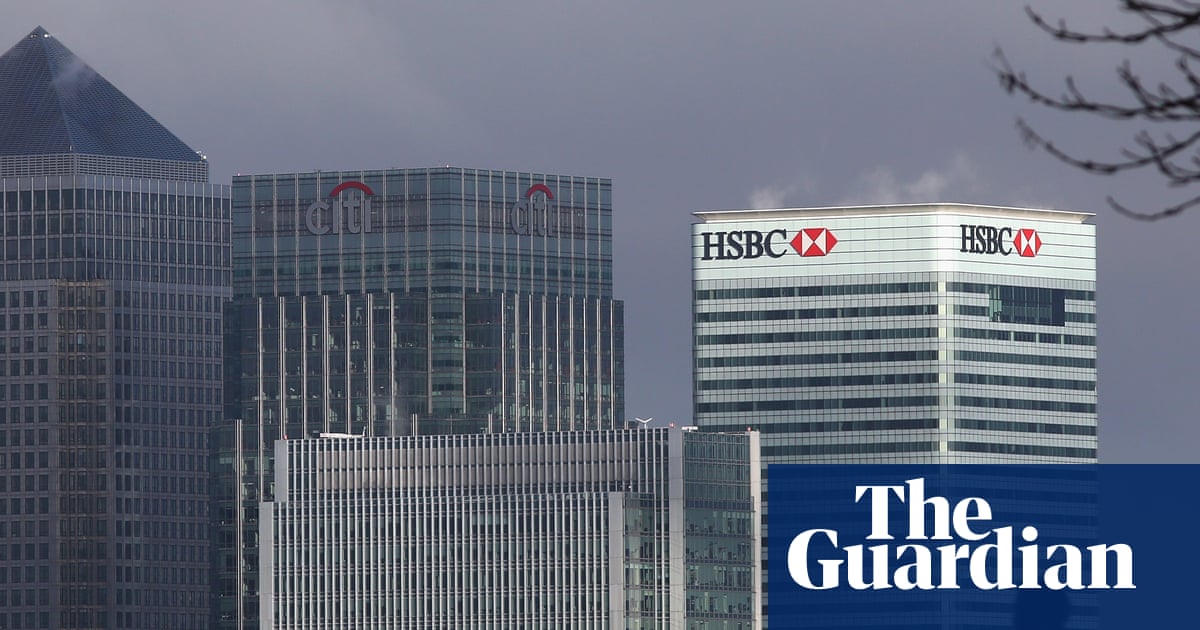
The TUC is urging Chancellor John Healey to reverse cuts to the bank surcharge, an additional levy on lenders' profits, which was reduced from 8% to 3% under Rishi Sunak. This move, intended to offset a rise in corporation tax, has coincided with record bank profits, leading to calls for banks to pay their "fair share" amid a cost of living crisis.
Imagine the government is like a big piggy bank that collects money from everyone, including big banks, to pay for things like schools and hospitals. A few years ago, the government decided to let banks pay a little less extra tax, hoping it would help them. But then, banks started making a lot more money because of how interest rates changed. Now, a group called the TUC says that because of that tax break, the piggy bank is missing about £6 billion, and they want the government to make banks pay more again, especially since families are finding it hard to pay their own bills.
Analysis
The debate surrounding the UK's banking sector taxation has intensified following the Trades Union Congress's (TUC) recent analysis, which asserts that a Conservative-introduced tax break has cost the public purse a substantial £6bn. This figure represents the cumulative loss in tax revenues over three years, stemming from a reduction in the bank surcharge, an additional levy on lenders' profits. The TUC's findings underscore a broader contention about corporate responsibility and the allocation of financial burdens, especially at a time when many households are grappling with rising living costs.
£6bn
The TUC's analysis meticulously details how the reduction of the bank surcharge from 8% to 3% in 2023 led to a significant shortfall in public funds. Specifically, the union body calculated losses of £2.3bn in 2023-24, £1.7bn in 2024-25, and an estimated £2bn in 2025-26, totaling the £6bn figure. This revenue deficit is particularly contentious given that the tax cut coincided with a period of booming profits for major UK lenders, driven largely by rising interest rates.
These lost billions, according to the TUC, could have been directed towards alleviating the financial strain on families. The union proposes that increasing the surcharge, potentially even beyond its pre-2023 level, could generate tens of billions more, which could then be used to fund measures to tackle the cost of living crisis, such as covering household bills.
Rishi Sunak
The tax cuts in question were implemented in 2023 under the then-Chancellor Rishi Sunak. The rationale behind slashing the bank surcharge was to mitigate the impact of a simultaneous increase in the main corporation tax rate from 19% to 25%. The banking industry had argued that without such an offset, higher overall taxes would place UK banks at a competitive disadvantage compared to financial centers like New York, potentially deterring investment.
However, the timing of these cuts has become a central point of criticism. Almost immediately after their introduction, major UK banks began reporting substantial earnings, largely benefiting from the higher interest rate environment. The UK's four largest lenders—HSBC, NatWest, Barclays, and Lloyds Banking Group—have collectively generated £200bn in pre-tax profits over the past five years, fueling the TUC's argument that the tax break was ill-timed and unnecessary.
Jamie Dimon
The banking sector, represented by figures like Jamie Dimon, CEO of JP Morgan, has actively lobbied against any proposed increases in bank taxes. Dimon reportedly warned Prime Minister Andy Burnham and Chancellor John Healey that further levies could jeopardize investment and job creation in the UK. He previously threatened to scrap plans for a new £3bn London headquarters if the government adopted a hostile stance towards banks.
Banking lobby groups, such as UK Finance, echo these concerns, arguing that a robust and profitable banking sector is vital for the broader UK economy. They contend that higher taxes would undermine the UK's competitiveness, discourage investment, and ultimately hinder economic growth. This perspective highlights the tension between the government's need for revenue and its desire to maintain a competitive and attractive environment for financial institutions.
Key points
- The TUC claims Tory tax cuts for banks have cost the UK public purse £6bn in lost revenue over three years.
- The bank surcharge was cut from 8% to 3% in 2023 under Rishi Sunak, intended to offset a rise in corporation tax.
- This reduction coincided with major UK banks, including HSBC, NatWest, Barclays, and Lloyds, generating £200bn in pre-tax profits over five years.
- The TUC urges Chancellor John Healey to increase the surcharge, suggesting it could raise up to £60bn to help with household bills.
- Banking executives, such as Jamie Dimon of JP Morgan, have warned that higher taxes could deter investment and risk jobs in the UK.
If the government were to reverse the bank surcharge cuts, it could significantly boost public funds, potentially allowing for increased investment in public services or direct support for households struggling with the cost of living, as advocated by the TUC.
Conversely, increasing bank taxes could lead to financial institutions reducing investment in the UK, cutting jobs, or even relocating operations, as warned by banking executives like Jamie Dimon, potentially harming the UK's standing as a global financial hub.
Market signals
- HSBA Proposed tax increases on bank profits could reduce earnings for major UK lenders like HSBC, impacting investor sentiment.
- NWG Potential increases in the bank surcharge could directly lower the profitability of NatWest, affecting its stock performance.
- BARC As a major UK lender, Barclays would face reduced net income if the bank surcharge is increased, potentially leading to a negative market reaction.
- LLOY Lloyds, being one of the UK's largest banks, would likely see its earnings impacted by higher bank taxes, which could depress its share price.
AI-generated analysis of potential market relevance. Not financial advice.