Trump Allows All Americans to Buy Tax-Exempt Diesel
President Trump signed an executive order allowing all Americans to use tax-exempt red-dyed diesel fuel, typically reserved for off-road machinery.
Intelligence analysis by Gemini 2.5 Flash Lite
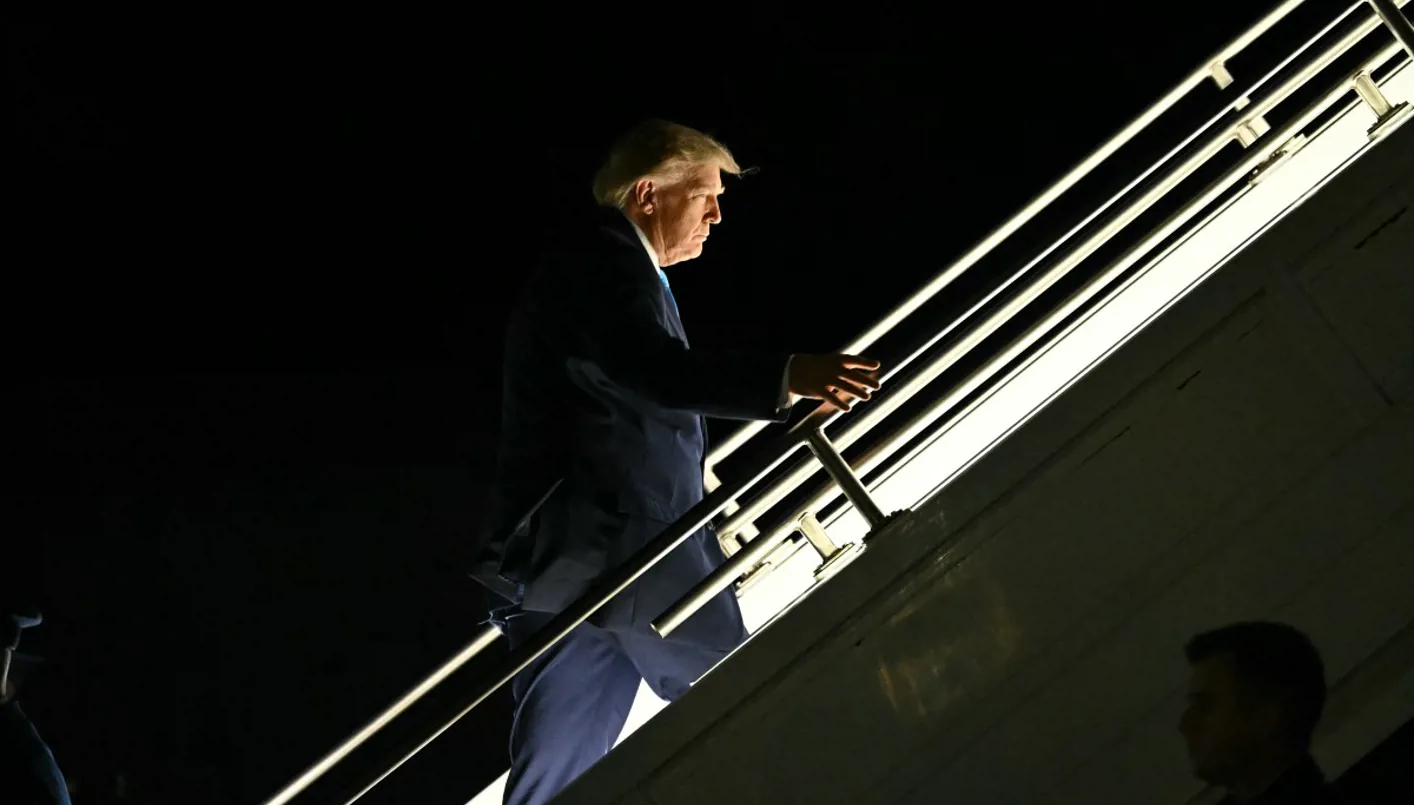
In a move aimed at alleviating high fuel prices impacting the Republican party before midterm elections, President Trump has authorized the use of tax-exempt red-dyed diesel for all Americans, regardless of whether it's used off-road.
Imagine a special kind of juice that's cheaper because it's only for tractors. President Trump said everyone can now drink this cheaper juice, even if they don't have a tractor, to help save money on gas.
Analysis
Red-Dyed Diesel
The executive order signed by President Donald Trump permits any American to purchase and use red-dyed diesel fuel, which is exempt from federal highway taxes. This fuel is chemically identical to regular diesel but is dyed red to distinguish it for tax purposes. Historically, its use has been restricted to agricultural equipment, construction machinery, and other vehicles or apparatuses that do not operate on public roads. By removing this restriction, Trump aims to provide a more affordable fuel option to consumers grappling with record-high diesel prices, a move explicitly linked to the upcoming midterm elections where fuel costs are a major voter concern.
Fuel Prices and Political Pressure
The decision comes at a critical juncture for the Republican party, which is facing significant headwinds due to elevated energy prices. Diesel prices in the United States have surged to unprecedented levels, exceeding $6 per gallon in recent weeks. The White House attributes these price hikes to the ongoing war in Ukraine and a global shortage in refining capacity, notably omitting any mention of Iran, despite the article's initial framing. The administration also pointed fingers at Democratic-led states for shutting down refineries in pursuit of green energy policies. This political framing seeks to deflect blame and rally support by offering a tangible, albeit potentially limited, solution to economic pressures.
Economic Implications and Iran
While the White House fact sheet cited the Russia-Ukraine conflict and refining capacity issues, the article's initial mention of the "war with Iran" suggests a broader geopolitical context that may be influencing fuel markets. Iran, a significant oil producer, has been subject to international sanctions, and any escalation or de-escalation of tensions involving the country can have ripple effects on global oil supply and prices. The decision to allow broader access to untaxed diesel could offer some immediate relief to consumers and businesses reliant on diesel, but its long-term impact on the broader energy market and the effectiveness of this measure in mitigating the political fallout from high fuel prices remain to be seen. The President's own admission of limited knowledge about the fuel itself underscores the potentially ad-hoc nature of the policy response.
Key points
- President Trump signed an executive order allowing all Americans to use tax-exempt red-dyed diesel fuel.
- This fuel was previously restricted to off-road agricultural and industrial machinery.
- The move is seen as a response to record-high diesel prices and ahead of midterm elections.
- The White House cited the Ukraine war and refining capacity issues for price hikes, while the article initially linked it to Iran.
- The President acknowledged limited personal knowledge of the fuel itself.
This executive order could provide immediate financial relief to American consumers and businesses struggling with high diesel costs, potentially easing inflationary pressures and boosting economic activity. It might also serve as a political win for the Republican party by demonstrating action on a key voter concern ahead of the midterm elections.
The broader impact on fuel prices may be limited, as red-dyed diesel is still subject to global supply and demand dynamics. There's also a risk of misuse or unintended consequences, and the policy could be criticized for potentially undermining environmental goals or creating an uneven playing field in fuel taxation.