Uber to buy Germany’s Delivery Hero in $14.8bn global deal
Uber has agreed to acquire German food delivery company Delivery Hero for $14.8bn, creating a global food delivery powerhouse by integrating Uber Eats with Delivery Hero's extensive international brands. This strategic move aims to achieve greater scale and efficiency in …
Intelligence analysis by Gemini 2.5 Flash
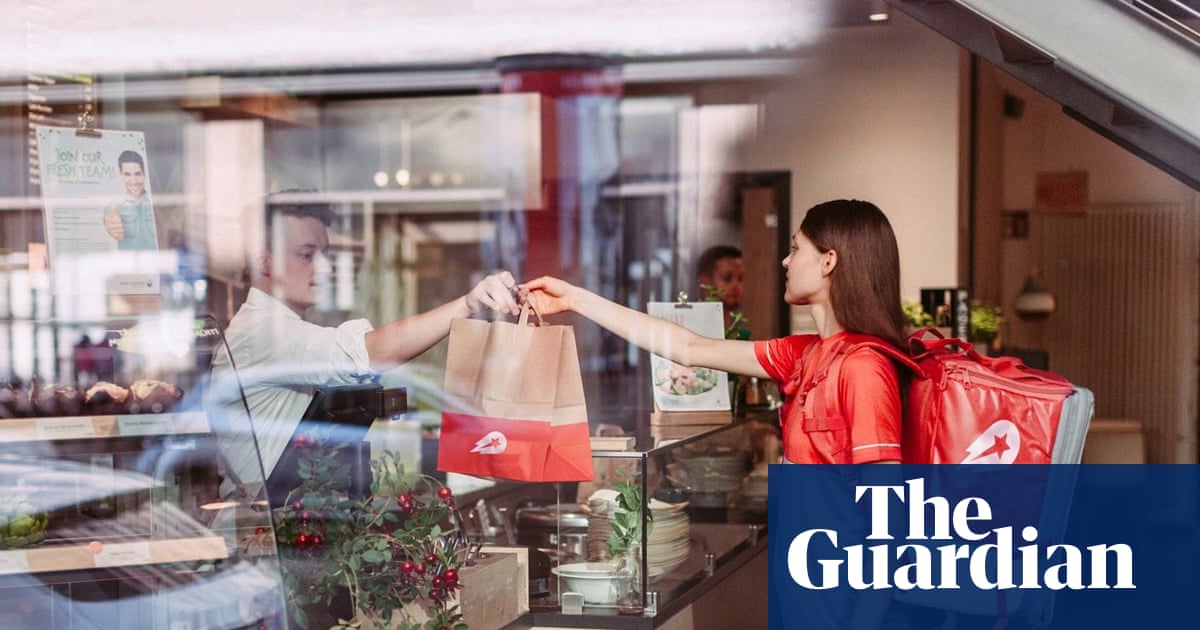
The $14.8bn acquisition of Delivery Hero by Uber will significantly expand Uber's global footprint in food delivery and mobility services, particularly across Asia, Latin America, and the Middle East. The deal is structured to avoid antitrust concerns by excluding markets where Uber already dominates, reflecting the industry's post-pandemic drive for consolidation to manage high opera…
Imagine if your favorite taxi company, Uber, decided to buy another huge company that delivers food, called Delivery Hero. They're spending a lot of money, about $14.8 billion, to do this! It's like two big puzzle pieces fitting together so they can deliver food and give rides to even more people all over the world. They want to be super big so they can share their drivers and delivery people, making it easier and maybe even cheaper to get your food or a ride, just like when two big toy companies join up to make more toys for everyone.
Analysis
The Imperative for Global Scale
Uber's $14.8bn acquisition of Delivery Hero is a clear strategic move to dominate the global food delivery landscape, a sector characterized by intense competition and high operating costs. The article highlights that since the 'pandemic bubble burst,' delivery companies have been relentlessly focused on achieving sufficient scale to cover significant expenses, often at the expense of delivery workers' pay and conditions. This deal, following other major takeovers like DoorDash's acquisition of Deliveroo and Prosus's purchase of JustEat Takeaway, underscores a broader industry trend towards consolidation as a survival and growth strategy.
By combining Uber Eats with Delivery Hero's extensive portfolio of brands, including foodpanda in Asia, PedidosYa in Latin America, and talabat in the Middle East, Uber aims to create a formidable global giant. The combined entity reported $236bn in orders in 2025, demonstrating the sheer volume and market presence this merger will command. This scale is crucial for negotiating better terms with restaurants, optimizing logistics, and investing in technology, ultimately seeking to enhance profitability in a notoriously thin-margin business.
Navigating Market Expansion and Regulatory Hurdles
Crucially, the deal is structured to address potential antitrust concerns, a significant hurdle for large-scale mergers. Uber will not acquire Delivery Hero's operations in 14 countries where it already has a strong presence, such as Portugal, Spain, Norway, Sweden, and Turkey. Instead, these assets will be sold to SSW Partners, a New York-based private equity firm, for $1.6bn. This carve-out strategy is designed to prevent Uber from dominating specific markets, a key consideration for competition regulators who are increasingly scrutinizing tech giants.
The acquisition will nearly double the number of markets where Uber offers both mobility and delivery services, expanding its reach from 34 to 58 markets. Uber's CEO, Dara Khosrowshahi, emphasized the benefits of this integrated approach, noting that customers who use both taxi and food delivery services tend to spend three times more on the app. This synergy is a core part of Uber's long-term value creation strategy, aiming to leverage its existing user base and operational infrastructure across multiple service offerings.
Future Implications for the Gig Economy
The merger is expected to close in the second half of 2027, pending regulatory approvals. Uber has pledged to maintain Delivery Hero’s headquarters in Berlin and make no changes to its workforce until at least 2029, alongside a commitment to invest €2bn in Germany over the next five years. These assurances aim to mitigate concerns about job losses and regional economic impact, potentially easing the path for regulatory approval in Germany and Europe.
However, the consolidation raises questions about the future of competition and labor conditions within the gig economy. While Uber argues the deal will extend affordable and reliable delivery and create more opportunities for merchants and couriers, critics often point to the potential for reduced competition to lead to less favorable terms for both workers and consumers. The industry's focus on scale to cover operating costs has historically put pressure on delivery workers' pay and conditions, a trend that could intensify with fewer major players. The long-term impact on the gig economy's workforce and the broader market will be a critical area to watch as this global giant takes shape.
Key points
- Uber is acquiring Germany's Delivery Hero for $14.8bn, creating a global food delivery and mobility giant.
- The deal combines Uber Eats with Delivery Hero's brands like foodpanda, PedidosYa, and talabat across 99 countries.
- To satisfy competition regulators, Uber will not acquire Delivery Hero's operations in 14 countries where it already has a strong presence, selling them to SSW Partners for $1.6bn.
- The acquisition reflects the food delivery industry's post-pandemic drive for greater scale to cover significant operating costs.
- Uber has pledged to maintain Delivery Hero's Berlin headquarters and workforce until at least 2029, and invest €2bn in Germany over five years.
- The deal is expected to close in the second half of 2027, expanding Uber's combined mobility and delivery services to 58 markets.
The combined entity could achieve significant operational efficiencies and economies of scale, potentially leading to more affordable and reliable delivery services for millions of customers globally. Uber's commitment to maintaining Delivery Hero's headquarters and workforce in Berlin, along with a substantial investment in Germany, suggests a positive impact on regional employment and technological development.
This major consolidation could lead to reduced competition in numerous markets, potentially allowing the combined company to exert greater pressure on delivery worker wages and conditions. Integrating two vast global operations presents significant logistical and cultural challenges, and despite carve-outs, the deal may still face prolonged regulatory scrutiny or unexpected hurdles before its anticipated 2027 closure.