UK inflation stays at 2.8% as rising transport costs offset slower food price rises
UK inflation remains steady at 2.8%, with higher transport costs balanced by slower increases in food prices.
Intelligence analysis by Qwen 2.5 (3B)
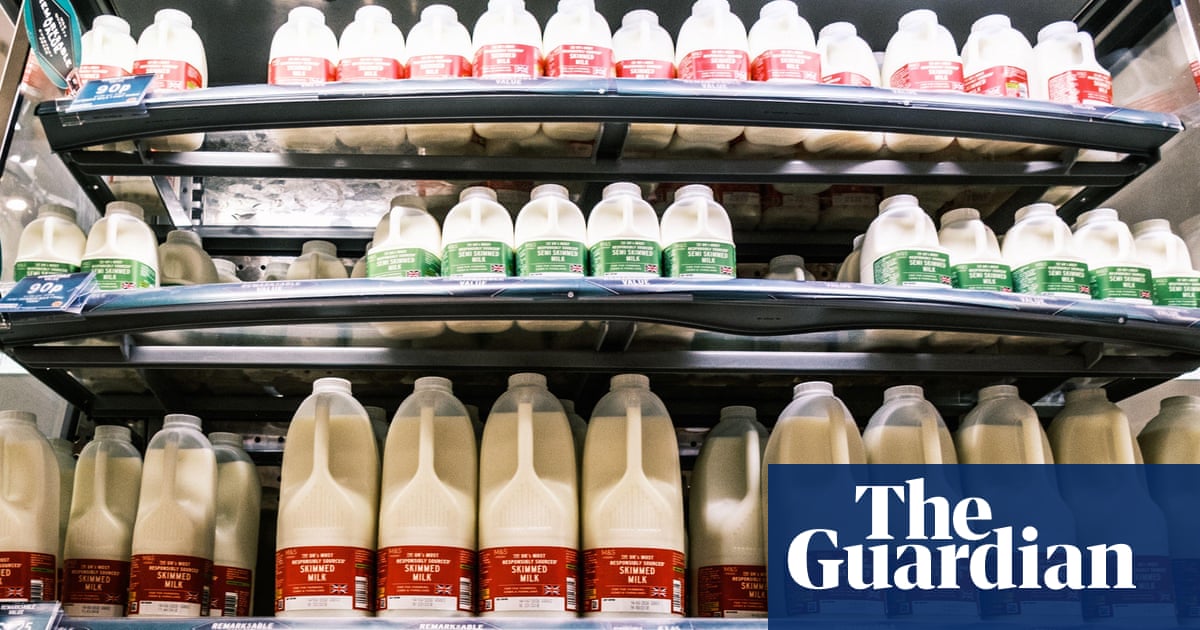
UK inflation holds steady at 2.8% despite rising energy costs due to the Iran conflict, offsetting lower food price rises.
UK inflation stayed at 2.8% because more expensive things to travel by (like planes) went up a lot, but cheaper food items also got a bit cheaper. This made it stay steady overall.
Analysis
{"# A Stable Inflation Rate Amidst Global Turmoil":"- **
The Impact of the Iran Conflict**: The closure of the Strait of Hormuz has led to increased oil prices, contributing to higher transport costs. However, this rise is partially offset by slower food price increases.","- **
Transport Costs Dominance**: Rising air fares and vehicle taxes have pushed up inflation rates in May, with a 6.8% increase compared to April. This highlights the importance of transportation sectors in overall economic indicators.\n- **
Food Price Stability**: Despite rising transport costs, food prices have eased to their lowest level since December 2024, indicating that farmers' increased costs are taking time to reflect in supermarket shelves.\n- **
Economic Outlook**: The stable inflation rate provides a more optimistic outlook for the Bank of England's interest rate decisions. With lower energy bills and fuel duty freezes, the UK economy is better positioned to withstand potential shocks from global events like the Iran conflict.\n- **
Supply Chain Adjustments**: Analysts predict that food prices may rise further in coming months as farmers' costs continue to affect supermarket shelves, even with current stability in inflation rates. This underscores the need for continued monitoring of supply chains and energy markets to ensure economic resilience.#
The Role of US-Iran Peace Deal**":"- **
Potential Benefits**: An agreement between the US and Iran could help stabilize oil prices and reduce food costs, potentially easing inflationary pressures.\n- **
Time Lag in Impact**: However, it may take several months for these benefits to be fully realized as supply chains adjust to new market conditions.#
The Economic Landscape**:\n- **
Bond Market Reaction**: Lower-than-expected inflation readings have led to a decline in the yield on 10-year government bonds, signaling potential interest rate stability.\n- **
Policy Committee Considerations**: The Bank of England's Monetary Policy Committee is expected to hold off on raising interest rates given the stable inflation figures.#
Consumer Perspective**:\n- **
Rising Concerns**: Despite the stable inflation rate, rising prices remain a significant concern for consumers, particularly in areas like energy and food.\n- **
Survey Insights**: A survey indicates that most Britons view rising prices as their biggest money worry, highlighting the importance of continued economic stability.","# The US-Iran Peace Deal and Its Impact on Inflation":"- **
Potential Benefits**: An agreement between the US and Iran could help stabilize oil prices and reduce food costs, potentially easing inflationary pressures.\n- **
Time Lag in Impact**: However, it may take several months for these benefits to be fully realized as supply chains adjust to new market conditions.","# The Economic Landscape":"- **
Bond Market Reaction**: Lower-than-expected inflation readings have led to a decline in the yield on 10-year government bonds, signaling potential interest rate stability.\n- **
Policy Committee Considerations**: The Bank of England's Monetary Policy Committee is expected to hold off on raising interest rates given the stable inflation figures.","# Consumer Perspective":"- **
Rising Concerns**: Despite the stable inflation rate, rising prices remain a significant concern for consumers, particularly in areas like energy and food.\n- **
Survey Insights**: A survey indicates that most Britons view rising prices as their biggest money worry, highlighting the importance of continued economic stability."}
Key points
- UK inflation remains at 2.8%
- Rising transport costs are offset by slower food price rises
- Lower energy bills and fuel duty freezes help stabilize the economy
- US-Iran peace deal could potentially reduce oil prices, easing inflationary pressures
- Food prices may still rise in coming months as farmers' costs continue to affect supermarket shelves
If the US and Iran reach an agreement soon, oil prices might go down, which could help keep inflation low.
It will take time for farmers to pass on their higher costs to supermarkets, so food prices might still rise in the future.