US Hits Iran With Fresh Airstrikes After Two American Troops Killed in Jordan
The US launched new airstrikes on Iran after two American troops were killed in a Jordan base attack. The incident occurred amid escalating hostilities between the US and Iran.
Intelligence analysis by Llama
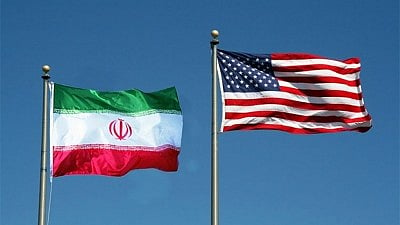
The US responded to the attack by launching airstrikes against Iran, targeting surveillance sites, logistics infrastructure, and naval assets. The strikes aimed to degrade Iran's military capabilities and deter further attacks on American personnel and interests in the region.
The US and Iran are fighting, and the US just launched airstrikes on Iran. This is because two American soldiers were killed in a base in Jordan, and the US wants to punish Iran for it. The airstrikes are meant to stop Iran from attacking the US and its allies in the region.
Analysis
A $60B Vote of Confidence
The US airstrikes on Iran are a significant escalation of the conflict between the two nations. The strikes targeted surveillance sites, logistics infrastructure, and naval assets in Iran, aiming to degrade the country's military capabilities and deter further attacks on American personnel and interests in the region. The US has been involved in a series of military actions against Iran in recent years, including the killing of top Iranian military commander Qasem Soleimani in January 2020. The latest airstrikes are a response to the deaths of two American troops in a Jordan base attack, which occurred amid a series of escalating hostilities between the US and Iran. The conflict has led to repeated attacks on critical infrastructure, including water desalination plants and oil facilities in Kuwait, causing injuries and operational disruptions. Regional governments have responded to the escalation by activating air defense systems and issuing public safety alerts. The ongoing hostilities have resulted in significant casualties and infrastructure damage across the region, with both sides accusing each other of targeting civilian sites. The US has urged mariners to use alternative routes through Omani waters to avoid Iranian-controlled lanes in the Strait of Hormuz, a critical global oil transit route. The conflict has significant implications for global oil supplies and regional stability, with the US airstrikes on Iran aimed at maintaining the flow of oil through the Strait of Hormuz, which previously accounted for about 20 percent of global oil supplies.
Why Cursor?
The US airstrikes on Iran are a response to the deaths of two American troops in a Jordan base attack. The incident occurred amid a series of escalating hostilities between the US and Iran, with both sides intensifying military actions after the collapse of a recent interim ceasefire agreement. The US military confirmed the deaths and reported that several other personnel were injured during the attack. The strikes resulted in fatalities, injuries, and significant damage to military infrastructure and civilian facilities, with video evidence confirming the impact on the Jordanian base. The US has urged mariners to use alternative routes through Omani waters to avoid Iranian-controlled lanes in the Strait of Hormuz, a critical global oil transit route. The conflict has significant implications for global oil supplies and regional stability, with the US airstrikes on Iran aimed at maintaining the flow of oil through the Strait of Hormuz, which previously accounted for about 20 percent of global oil supplies.
The Road Ahead
The ongoing hostilities between the US and Iran have significant implications for regional stability and global oil supplies. The US airstrikes on Iran are a response to the deaths of two American troops in a Jordan base attack, and the conflict has led to repeated attacks on critical infrastructure, including water desalination plants and oil facilities in Kuwait, causing injuries and operational disruptions. Regional governments have responded to the escalation by activating air defense systems and issuing public safety alerts. The US has urged mariners to use alternative routes through Omani waters to avoid Iranian-controlled lanes in the Strait of Hormuz, a critical global oil transit route. The conflict has significant implications for global oil supplies and regional stability, with the US airstrikes on Iran aimed at maintaining the flow of oil through the Strait of Hormuz, which previously accounted for about 20 percent of global oil supplies.
Key points
- The US launched new airstrikes on Iran after two American troops were killed in a Jordan base attack.
- The incident occurred amid escalating hostilities between the US and Iran.
- The US airstrikes targeted surveillance sites, logistics infrastructure, and naval assets in Iran.
- The strikes aimed to degrade Iran's military capabilities and deter further attacks on American personnel and interests in the region.
- The ongoing hostilities have resulted in significant casualties and infrastructure damage across the region.
The US airstrikes on Iran may lead to a decrease in the number of attacks on critical infrastructure in the region, and a reduction in the number of casualties. The US has urged mariners to use alternative routes through Omani waters to avoid Iranian-controlled lanes in the Strait of Hormuz, a critical global oil transit route. This may help to maintain the flow of oil through the Strait of Hormuz, which previously accounted for about 20 percent of global oil supplies.
The ongoing hostilities between the US and Iran have significant implications for regional stability and global oil supplies. The US airstrikes on Iran may lead to further escalation of the conflict, and repeated attacks on critical infrastructure, including water desalination plants and oil facilities in Kuwait, causing injuries and operational disruptions. Regional governments have responded to the escalation by activating air defense systems and issuing public safety alerts.