US Report: Sudanese Army Attacks in Darfur Amount to War Crimes
A US human rights report by "The Reckoning Project" documents widespread Sudanese Army aerial and drone attacks on civilians and civilian infrastructure in Darfur, classifying them as potential war crimes and crimes against humanity.
Intelligence analysis by Gemini 2.5 Flash

The report details 17 incidents between October 2024 and April 2026, including bombings of crowded markets, hospitals, and social gatherings, resulting in hundreds of civilian casualties and extensive destruction. It argues these are systematic attacks, not collateral damage, and calls for international investigation and accountability.
Imagine a big fight happening in Sudan, and one of the armies is using planes and drones to drop bombs. A special group from America says these bombs are hitting regular places like markets, hospitals, and even parties where kids and families are, killing many innocent people. They say this is like breaking the biggest rules of fighting, called war crimes, and want grown-ups around the world to stop it and find out who is responsible.
Analysis
Documenting a Pattern of Atrocities
The "Reckoning Project," a US human rights initiative, has released a comprehensive report detailing a disturbing pattern of aerial and drone attacks by the Sudanese Army in Darfur. Covering incidents between October 2024 and April 2026, the report, based on 31 direct witness testimonies, medical records, and geolocation data, documents 17 specific attacks. These strikes have systematically targeted civilian areas, including bustling markets, critical health facilities, residential zones, and social gatherings, resulting in hundreds of non-combatant deaths and injuries.
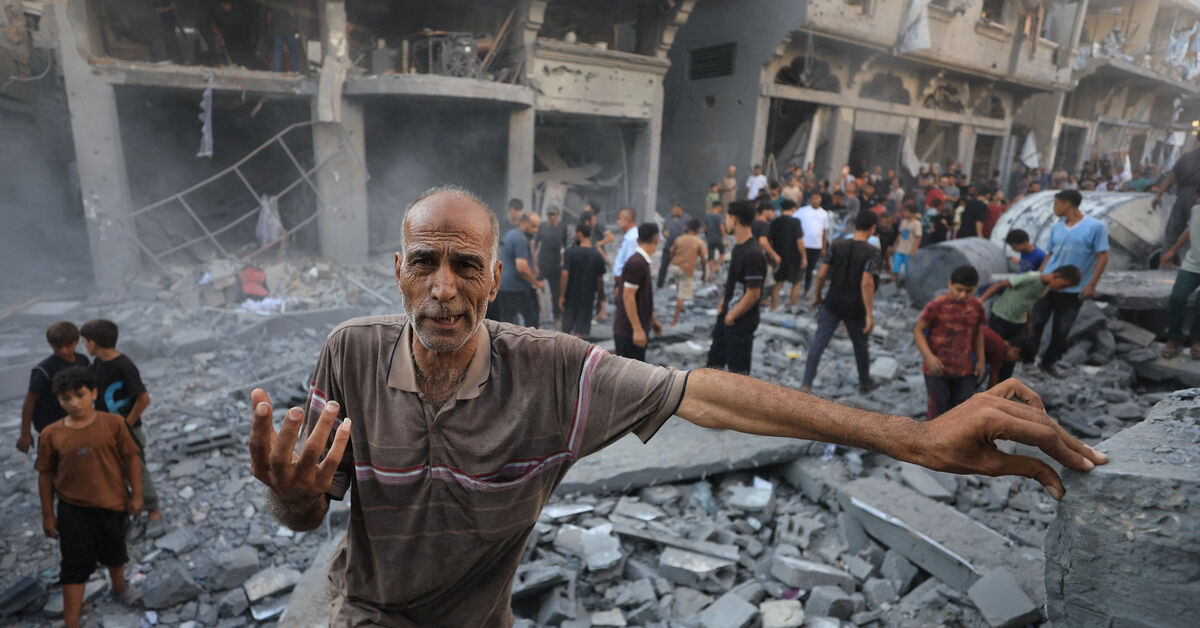
The report challenges the notion of "collateral damage," arguing that the scale, frequency, and locations of these attacks indicate a deliberate or recklessly indifferent approach to civilian lives. It highlights devastating incidents such as the bombing of Cinema Street in Nyala, which killed at least 22 civilians, and the attack on Turra Market in El Fasher during Ramadan, reportedly claiming around 450 lives, predominantly women and children. The use of unguided bombs from Antonov aircraft in densely populated areas is cited as evidence of indiscriminate warfare, while the precision of drone strikes raises serious questions about intentional targeting of civilian sites.
The Devastating Humanitarian Impact
Beyond the immediate loss of life, the report paints a grim picture of a humanitarian catastrophe unfolding across Darfur. The destruction of markets, vital hubs for food, medicine, and livelihoods, has crippled the economic fabric of communities already suffering from siege and hunger. Thousands of families have lost their sources of income, and essential supply chains have been disrupted, exacerbating an already dire situation. The targeting of hospitals and health centers, such as Al-Daein Teaching Hospital, has left entire populations without access to critical medical care, at a time when injuries and displacement are rampant.
The psychological toll on the civilian population is immense, with residents living in constant fear of aerial bombardment. Witnesses recounted harrowing scenes of dismembered bodies, charred remains, and desperate searches for loved ones amidst the destruction. This pervasive trauma, coupled with the collapse of essential services, signifies a profound and long-lasting impact on the social and mental well-being of Darfur's inhabitants. The report emphasizes that these attacks are not merely isolated events but are systematically dismantling the very infrastructure of civilian life.
Urgent Calls for International Accountability
The "Reckoning Project" report issues a strong appeal to the international community for immediate action and accountability. It urges both the Sudanese Army and the Rapid Support Forces to halt all aerial and drone attacks against civilians and civilian objects and to strictly adhere to international humanitarian law. Crucially, it calls for independent international investigations into these incidents, specifically tasking the International Criminal Court with prosecuting those responsible for ordering or executing the attacks. This demand for justice is rooted in the belief that impunity has allowed such atrocities to persist.
Furthermore, the report presses the UN Security Council to enforce and strengthen the existing arms embargo on Darfur, investigate the origins of weapons and drones used against civilians, and impose new sanctions on implicated parties. It also stresses the importance of supporting civil society organizations that document violations, enhancing early warning systems, and providing comprehensive care for survivors. The report concludes by framing the situation as a critical test for the international community: either ensure accountability for war crimes in Darfur or allow the region to remain trapped in a cycle of violence and impunity.
Key points
- A US human rights report documents widespread Sudanese Army aerial and drone attacks on civilians in Darfur.
- The report identifies 17 incidents between October 2024 and April 2026, including bombings of markets, hospitals, and social gatherings.
- These attacks resulted in hundreds of civilian deaths and injuries, with incidents like the Turra Market bombing reportedly killing approximately 450 people.
- The report concludes these are systematic attacks, potentially amounting to war crimes and crimes against humanity, not mere collateral damage.
- It calls for immediate cessation of attacks, independent international investigations by the ICC, and stronger UN Security Council action, including an an arms embargo and sanctions.
The report's detailed documentation and calls for international action could pressure the Sudanese Army and Rapid Support Forces to cease attacks on civilians, potentially leading to a reduction in casualties and a renewed focus on adherence to international humanitarian law. Increased international scrutiny and potential sanctions might also compel parties to engage in more constructive peace efforts.
Despite the report's findings, the Sudanese Army might continue to deny responsibility or ignore calls for accountability, leading to further civilian suffering and a deepening humanitarian crisis. The international community's response could be insufficient, allowing impunity to persist and prolonging the conflict's devastating impact on Darfur.