War against Ukraine: Ukraine fails to defend against ballistic missiles
Ukraine failed to intercept any ballistic missiles during a major Russian attack on Kyiv, likely due to a shortage of Patriot air defense ammunition, resulting in significant casualties.
Intelligence analysis by Gemini 2.5 Flash
During a large-scale Russian assault on Kyiv, Ukraine's air defenses successfully countered most drones and cruise missiles but failed to shoot down any of the 23 ballistic missiles deployed. This unusual failure is attributed to a probable lack of ammunition for the Patriot system, the only defense capable of reliably intercepting such threats, leading to at least 11 deaths and 46 in…
Imagine Ukraine is trying to catch really fast baseballs thrown by Russia, but they're running out of special gloves that can catch those super-speedy balls. Even though they're great at catching slower balls, the fast ones are getting through and hurting people and buildings. A German politician is saying that all the teams helping Ukraine need to work together even harder and tell other countries not to help the team throwing the fast balls.
Analysis
Ukraine's Critical Air Defense Gap
The recent large-scale Russian attack on Kyiv exposed a significant vulnerability in Ukraine's air defense capabilities. While Ukrainian forces demonstrated high interception rates against drones and cruise missiles, successfully downing 326 out of 351 drones and 37 out of 45 cruise missiles, they failed to intercept a single one of the 23 ballistic missiles launched. This stark contrast is particularly concerning given that Ukraine typically manages to intercept a portion of incoming ballistic missiles, having previously achieved a 26 percent interception rate in June.
The article attributes this critical failure to a likely shortage of ammunition for the Patriot air defense system. The Patriot is the only system in Ukraine's arsenal capable of reliably countering ballistic missiles, and its effectiveness is directly tied to the availability of interceptor missiles. Ukrainian President Volodymyr Zelenskyy has repeatedly warned in recent weeks that new Russian attacks could not be repelled without a steady supply of air defense ammunition, a warning that appears to have been tragically validated by this incident.
Escalating Attacks and Civilian Toll
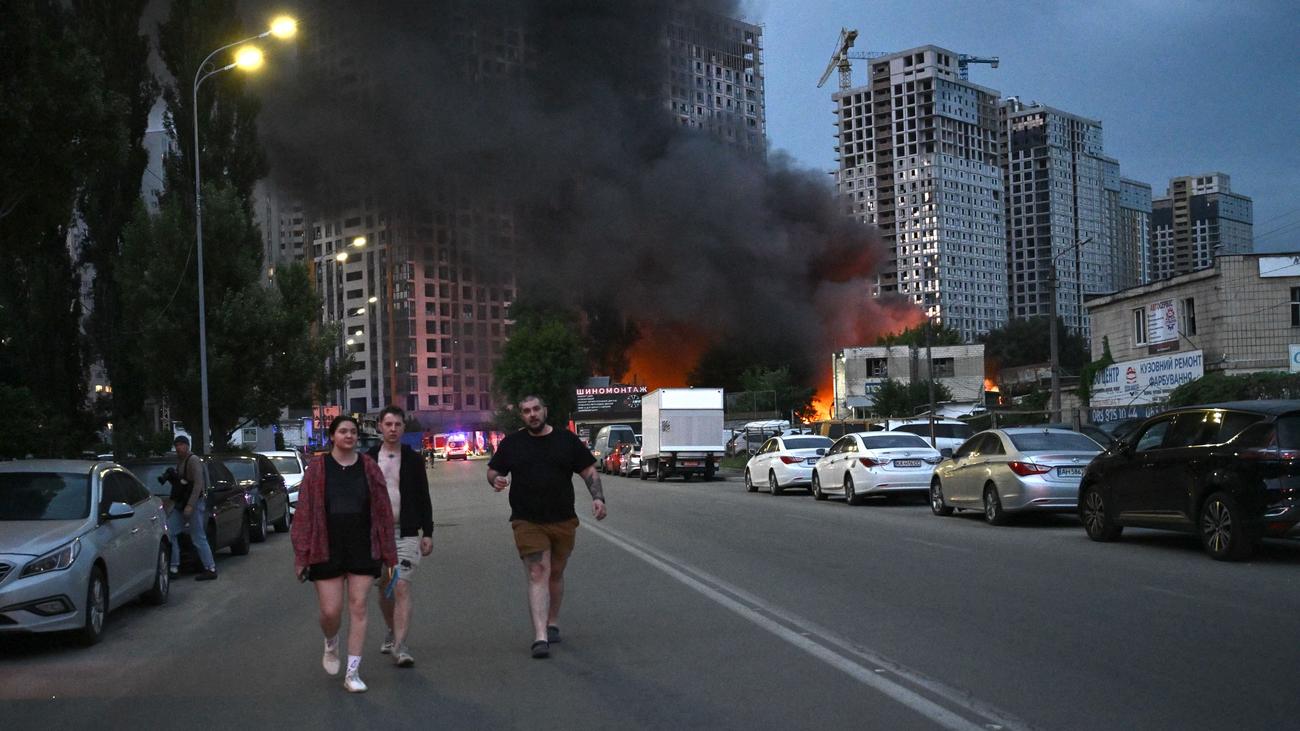
The Russian assault on Kyiv was not only a demonstration of Ukraine's defensive challenges but also a devastating blow to the civilian population. Local authorities reported at least eleven people killed and 46 injured in the capital, with additional casualties in surrounding areas. The attacks, which occurred in waves shortly after midnight, struck multiple residential buildings in districts like Podilskyj and Darnyzkyj, as well as non-residential structures, garages, and a warehouse.
Thousands of Kyiv residents sought refuge in subway stations following warnings from the Ukrainian Air Force and President Zelenskyy about dozens of missiles heading towards the city. The targeting of civilian infrastructure and residential areas underscores Russia's continued strategy of terrorizing the population and attempting to break Ukrainian morale, while simultaneously exploiting perceived weaknesses in air defense to maximize damage and casualties.
German Political Pressure for a Stronger NATO Stance
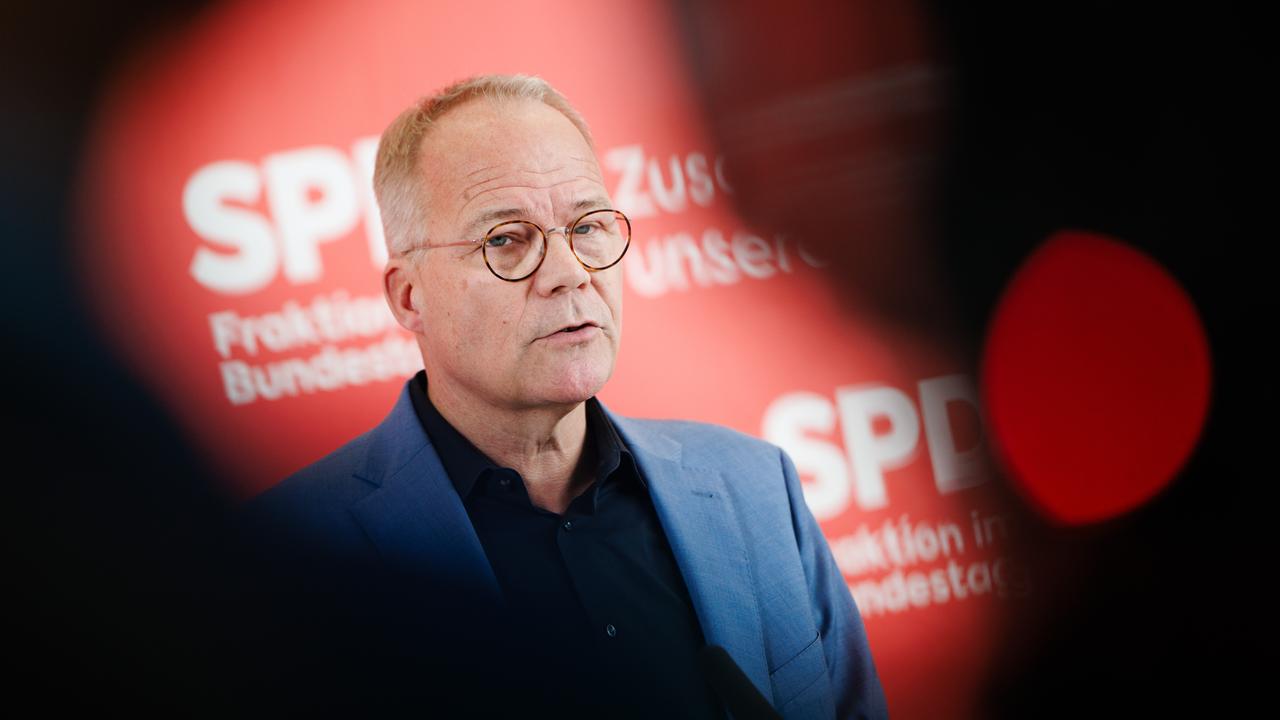
Amidst these developments, German CDU foreign policy expert Jürgen Hardt has called for a more assertive stance from NATO, particularly ahead of the upcoming summit. Hardt emphasized China's significant role in enabling Russia's war effort, stating that those who support Russia's arms industry share responsibility for prolonging the conflict. He argued that NATO must speak plainly on this issue, viewing such honesty not as an escalation but as an expression of strategic integrity.
Hardt also advocated for a tougher overall approach from NATO towards Russia, stressing the importance of demonstrating political unity. He suggested that Russia's strategy of attrition and deliberate attacks on civilians is losing effectiveness, and with Ukraine potentially regaining momentum on the battlefield, allies should seize this moment to collectively increase pressure on the Kremlin. This, he believes, would create the necessary conditions for serious peace negotiations, reflecting a growing sentiment within German political circles for a more decisive and unified Western response.
Key points
- Ukraine failed to intercept any of the 23 ballistic missiles during a recent major Russian attack on Kyiv.
- This failure is attributed to a likely shortage of ammunition for the Patriot air defense system.
- The attacks resulted in at least 11 deaths and 46 injuries in Kyiv, with additional casualties in surrounding areas.
- CDU foreign policy expert Jürgen Hardt called for a tougher NATO stance against Russia and China, citing China's role in prolonging the war.
- Hardt emphasized the need for NATO unity and increased pressure on the Kremlin to facilitate peace negotiations.
If NATO heeds calls for a tougher stance and increased support, including critical air defense ammunition, Ukraine could potentially bolster its defenses against advanced threats, reducing civilian casualties and creating conditions for more favorable peace negotiations.
The continued failure to intercept ballistic missiles, coupled with critical shortages of air defense ammunition, suggests that Russia could intensify its devastating attacks on Ukrainian cities, leading to further civilian casualties and infrastructure damage. This vulnerability could undermine Ukraine's ability to sustain its defense and pressure its allies for more urgent and substantial military aid.