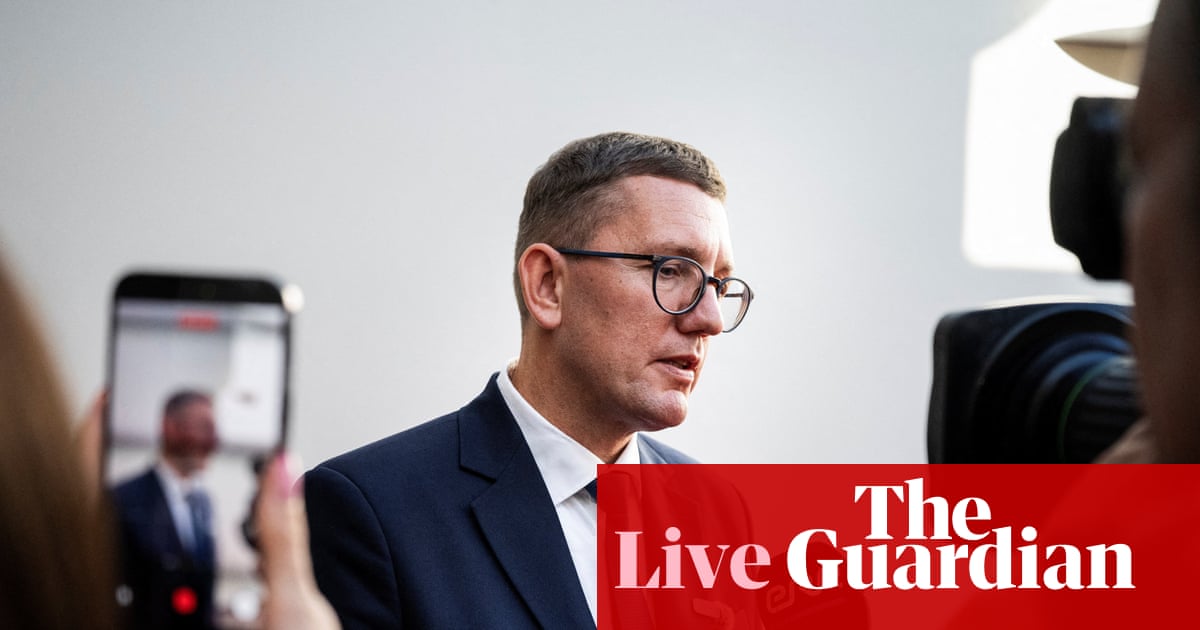
‘We will not be intimidated,’ says Estonian PM after attributing recent arson attack to Russia
Estonia's Prime Minister Kristen Michal has accused Russian special services of ordering an arson attack on defence firm Milrem Robotics, calling it part of a broader campaign to intimidate Europe and weaken support for Ukraine. Russia denies involvement.
Intelligence analysis by Gemini 2.5 Flash Lite
Estonia's PM directly blamed Russian special services for an arson attack on a defense company, framing it as a deliberate act of intimidation aimed at undermining European support for Ukraine. The Kremlin has denied responsibility, but Estonia has apprehended suspects and is continuing its investigation.
Imagine someone is trying to scare their friends into not helping another friend. They might break a window at one friend's house to make everyone nervous. Estonia says Russia is doing this by attacking companies that help Ukraine, trying to make everyone scared and stop helping.
Analysis
Milrem Robotics
The arson attack on Milrem Robotics, a defense industry company based in Estonia, has brought the firm into the spotlight as a potential target in a wider geopolitical conflict. Milrem Robotics is known for its development of robotic warfare systems, including unmanned ground vehicles, which are of significant interest in modern military applications. The company's work in this sensitive sector makes it a strategic asset, and any disruption or damage to its operations could be seen as an attempt to impede defense capabilities, particularly in the context of ongoing support for Ukraine. Estonia's accusation that Russian special services orchestrated the attack suggests a calculated effort to target entities contributing to Ukraine's defense, aiming to sow discord and weaken the collective resolve of NATO allies.
Russian Special Services
Estonia's Prime Minister Kristen Michal explicitly stated that the arson attack was "ordered by Russian special services." This direct attribution, made shortly after the Kremlin denied involvement, signifies a serious accusation of state-sponsored sabotage. The Estonian government has presented preliminary findings indicating that the attack was commissioned and that suspects, identified as Latvian citizens, were apprehended with evidence including data storage devices and items potentially used in the arson. This alleged involvement of Russian special services points to a sophisticated and coordinated effort to destabilize European nations and disrupt their support for Ukraine. Such actions, if proven, represent a significant escalation of hybrid warfare, moving beyond cyberattacks and disinformation to physical acts of sabotage within NATO borders.
European Campaign
Prime Minister Michal characterized the arson attack as part of a "broader campaign across Europe to intimidate us and weaken our support for Ukraine." This framing suggests that the incident in Estonia is not an isolated event but rather one component of a larger, multi-faceted strategy by Russia to test the resilience of European nations and NATO. The comments from other European leaders, such as Mark Rutte and the Lithuanian PM, warning of Russia's "campaign of hostile actions" and "evolving nature of the threat," corroborate this view. The alleged goal is to create an atmosphere of fear and uncertainty, thereby eroding political will to continue providing aid to Ukraine and potentially fracturing the united front presented by Western allies. Estonia's firm stance, however, indicates a determination not to be intimidated, vowing to respond with increased security and greater pressure on Russia.
Key points
- Estonia's Prime Minister directly accused Russian special services of ordering an arson attack on defense firm Milrem Robotics.
- The attack is described as part of a broader Russian campaign to intimidate Europe and weaken support for Ukraine.
- Suspects, identified as Latvian citizens, have been apprehended in Latvia and handed over to Estonia.
- Russia has denied involvement in the arson attack.
- European leaders are warning of an escalating pattern of Russian hostile actions targeting NATO allies.
If Estonia's firm response and the apprehension of suspects deter further Russian sabotage attempts, it could strengthen NATO's collective security measures and reinforce European unity in supporting Ukraine. This could lead to enhanced intelligence sharing and coordinated defense strategies against hybrid threats.
Conversely, if Russia continues or escalates its campaign of hostile acts, it could create a climate of fear and division within NATO, potentially weakening support for Ukraine and forcing member states to divert resources towards internal security, thereby undermining their ability to project strength externally.