What China really means when it says it’s being ‘strategic’
Chinese President Xi Jinping emphasizes a strategic and long-term perspective in bilateral relationships, signaling high-level engagement and mutual benefits.
Intelligence analysis by Qwen 2.5 (3B)
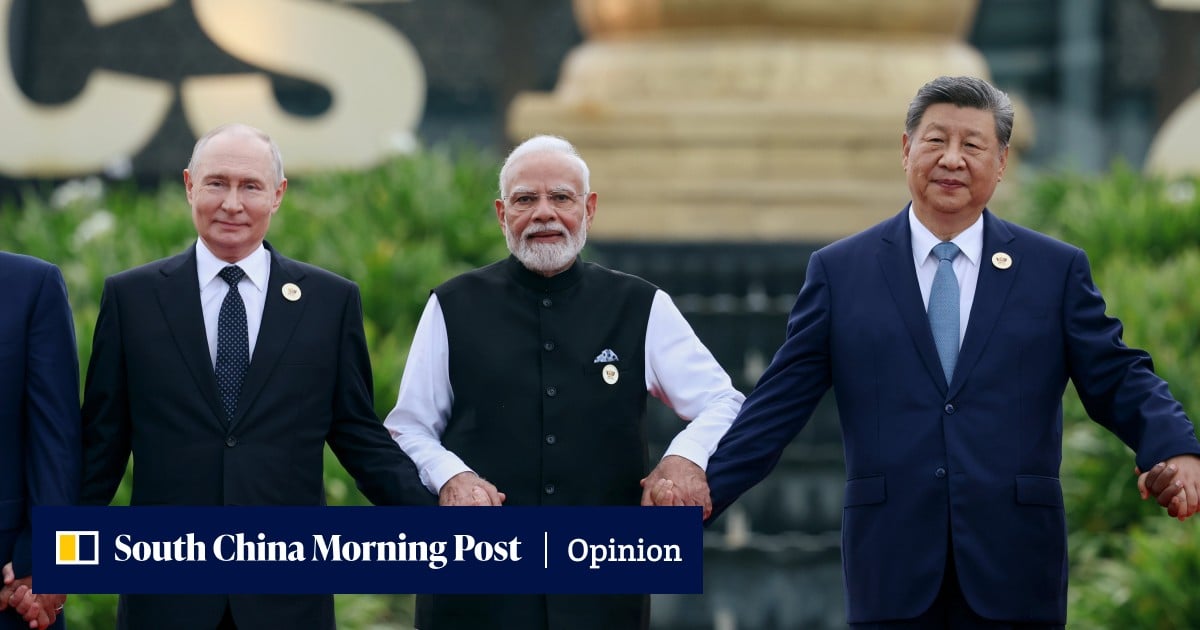
Chinese diplomacy uses the term 'strategic' to denote important, long-term relationships with partners rather than rivals or threats.
When China says a relationship is 'strategic', it means they see it as important and want to work together for a long time to make things better for everyone.
Analysis
Strategic Partnerships and Diplomatic Ladder
China's partnership diplomacy is organized into a clear hierarchy, with 'strategic partnerships' at the basic level and 'comprehensive strategic partnerships' at the higher levels. This structure reflects the country's approach to building enduring relationships.
High-Level Engagement
When China describes a relationship as 'strategic', it implies a commitment to sustained political attention and effort. This is evident in the example of the meeting between Chinese President Xi Jinping and Indian Prime Minister Narendra Modi, where Xi emphasized a 'strategic and long-term perspective'.
Mutual Benefits and Externalities
The term 'strategic' in Chinese diplomacy is used to convey the belief that such engagements can generate mutual benefits and positive externalities for the wider region or the world. This perspective underscores China's broader vision for regional stability and cooperation.
Implications for Global Diplomacy
Understanding the nuances of China's use of 'strategic' can help predict future diplomatic moves and the potential for regional and global stability. It also highlights China's role in shaping international norms and partnerships.
Conclusion
China's use of 'strategic' in diplomacy is a strategic move to position itself as a reliable and long-term partner, signaling a commitment to mutual benefit and regional stability. This approach is likely to influence global diplomatic strategies and international relations in the years to come.
Key points
- China uses 'strategic' to denote important, long-term relationships
- It implies sustained political attention and effort
- Signals mutual benefits and positive externalities for the region or world
- Reflects China's broader vision for regional stability and cooperation
- May influence global diplomatic strategies and international relations
China's use of 'strategic' may lead to more stable and beneficial relationships, fostering cooperation and mutual growth.
However, if misinterpreted or misused, it could also lead to misunderstandings or strained relationships.