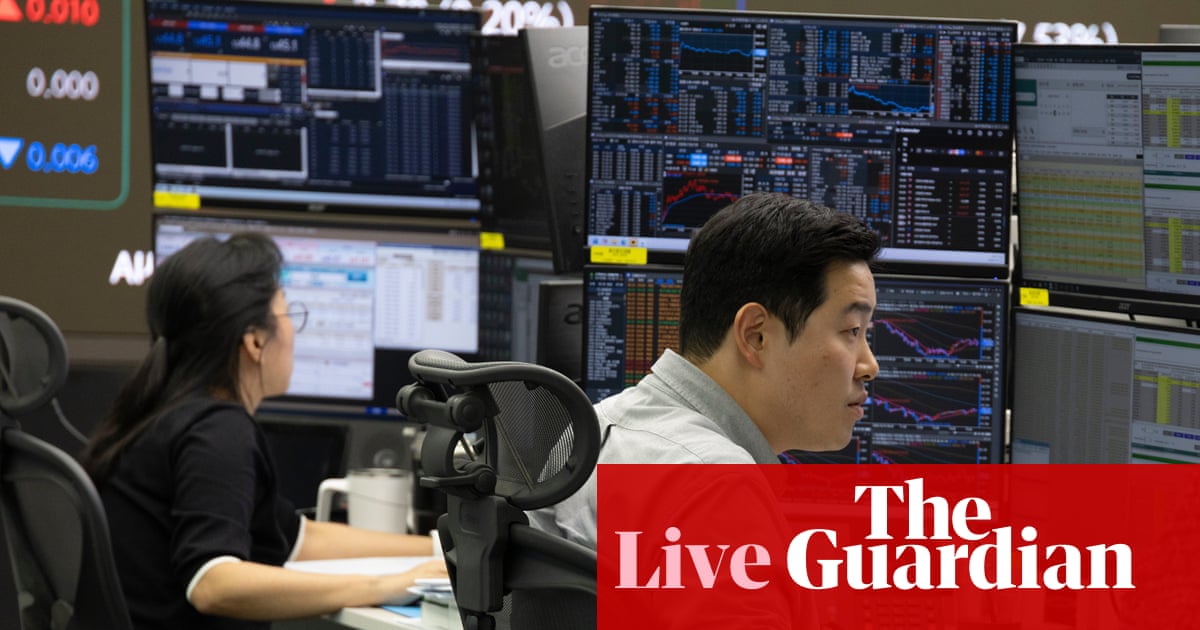
What is your personal ‘recession indicator’? | US economy
Nearly two-thirds of Americans think the US is experiencing a recession, but it's not technically one. People share their personal indicators of economic downturn.
Intelligence analysis by Qwen 2.5 (3B)
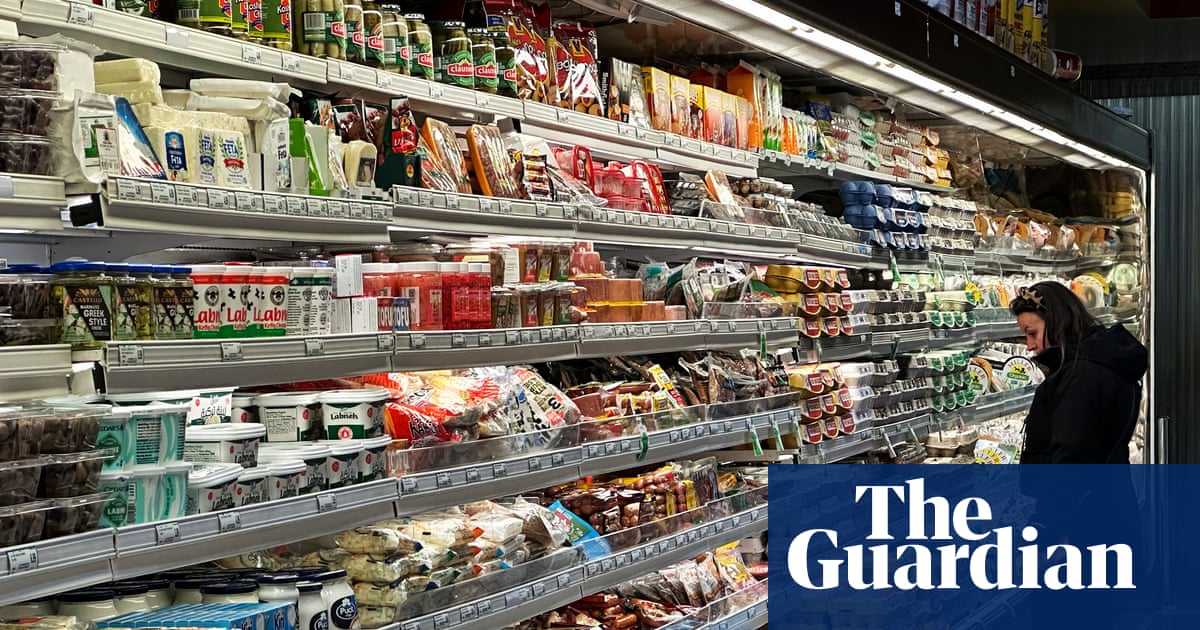
Americans are divided on whether the US is in a recession, but many share personal indicators of economic downturn.
Some people think the US is in a recession, but it's not really one. They notice things like prices going up at the grocery store, not being able to find work, and schools closing. These are signs that the economy might be doing poorly.
Analysis
Personal Indicators of Economic Downturn
Grocery Store Prices
Many Americans notice rising prices at their local grocery stores, which they see as a sign of an incoming recession. According to the Harris Poll, 67% of Americans believe the US is experiencing a recession. Grocery store prices have been rising steadily over the past year, with inflation hitting record highs. The article notes that this is a common indicator of an economic downturn, as people often notice price increases before broader economic indicators signal a recession.
Job Market
Another common indicator is the job market. Many Americans report feeling uncertain about their job security, which can be a sign of an economic downturn. The article notes that the job market has been stagnant, with many Americans reporting difficulty finding work or having to take lower-paying jobs. This uncertainty can be a sign that the economy is not performing well.
School Closures
School closures are also a common indicator of an economic downturn. The article notes that many Americans have noticed school closures in their communities, which can be a sign that the economy is not performing well. School closures can be a sign that businesses are struggling to make ends meet, and that the economy is not performing well.
What the Data Shows
While the US is not technically in a recession, the data shows that the economy is not performing well. The article notes that the US economy has been growing at a slower rate than in previous years, and that inflation has been a major issue. The article also notes that the job market has been stagnant, with many Americans reporting difficulty finding work or having to take lower-paying jobs. This is a sign that the economy is not performing well, and that a recession is possible.
Conclusion
While the US is not technically in a recession, many Americans are feeling uncertain about the economy. Personal indicators such as rising grocery store prices, job market uncertainty, and school closures can be signs of an economic downturn. The article notes that the economy is not performing well, and that a recession is possible. However, the article also notes that the US economy is not in a true recession, and that the data shows that the economy is not performing well.
Key points
- Nearly two-thirds of Americans think the US is experiencing a recession
- Rising grocery store prices are a common indicator of an economic downturn
- Job market uncertainty is another common indicator
- School closures are also a sign of an economic downturn
- The US economy is not technically in a recession, but it's not doing well
The economy might not be in a true recession, but it's still not doing well. People are noticing signs of trouble, like prices going up and not being able to find work.
If the economy keeps not doing well, it could turn into a real recession. People might lose their jobs and have to pay more for things.