What will it take to stop the conflict in Sudan?
The conflict in Sudan has caused the world's largest humanitarian crisis, displacing over 13 million people and killing tens of thousands of civilians. The army has retaken a key highway linking Khartoum to El-Obeid, but hundreds of thousands of people trapped in the city…
Intelligence analysis by Llama

The conflict in Sudan has caused a massive humanitarian crisis, with over 13 million people displaced and tens of thousands killed. The army has retaken a key highway, but the city of el-Obeid remains under siege, putting hundreds of thousands of people at risk.
Imagine a big war in a country called Sudan. It's been going on for three years and has made a lot of people very poor and hungry. The army and another group called the RSF are fighting each other, and it's making things worse. The army has taken back a important road, but the city of el-Obeid is still in trouble. We need to help the people of Sudan and find a way to stop the fighting.
Analysis
A Devastating Humanitarian Crisis
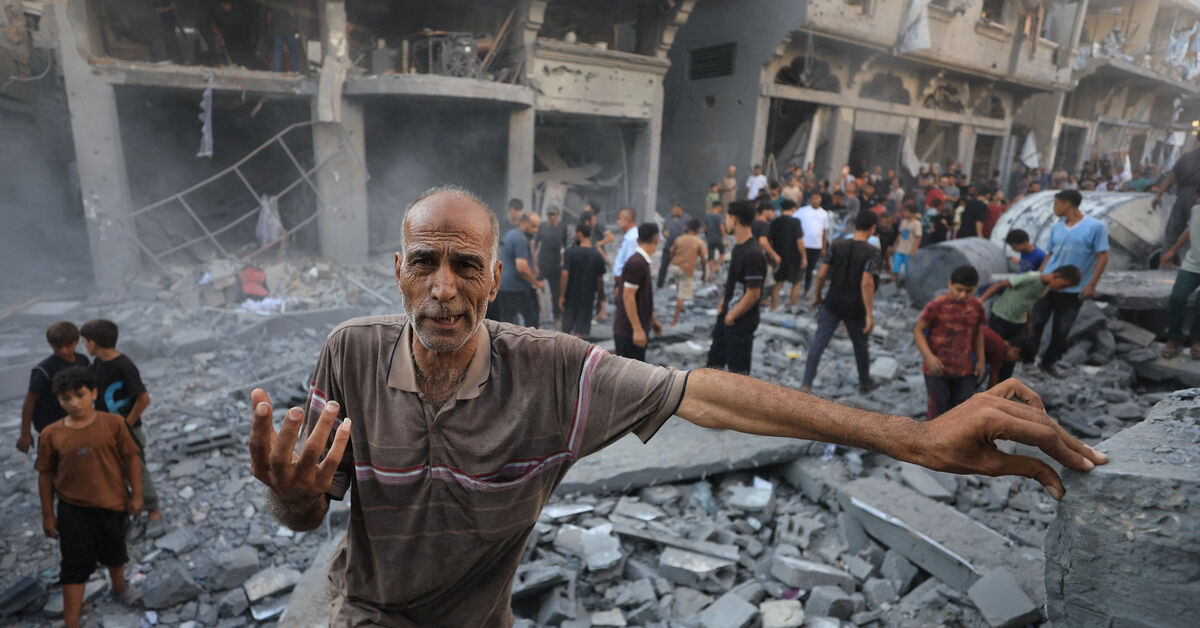
The conflict in Sudan has caused the world's largest humanitarian crisis, with over 13 million people displaced and tens of thousands killed. The humanitarian situation is dire, with millions of people in need of aid, a health system in ruins, and millions of children out of school. The conflict has also led to a significant economic crisis, with the country's economy in shambles.
The Role of the Army and the RSF
The conflict in Sudan is between the Sudanese army and the paramilitary Rapid Support Forces (RSF). The army has retaken a key highway linking Khartoum to El-Obeid, which could weaken the RSF. However, the city of el-Obeid remains under siege, putting hundreds of thousands of people at risk. Both sides have been accused of war crimes and other abuses, and the international community has called for an end to the conflict.
The Need for a Diplomatic Solution
Stopping the conflict in Sudan requires a diplomatic solution. The international community must come together to support a peaceful resolution to the conflict. This includes providing aid to those affected, supporting the humanitarian response, and promoting a peaceful resolution to the conflict. The Sudanese government and the RSF must also work together to find a peaceful solution to the conflict.
Key points
- The conflict in Sudan has caused the world's largest humanitarian crisis, displacing over 13 million people and killing tens of thousands of civilians.
- The army has retaken a key highway linking Khartoum to El-Obeid, but the city of el-Obeid remains under siege.
- Both sides have been accused of war crimes and other abuses, and the international community has called for an end to the conflict.
- Stopping the conflict in Sudan requires a diplomatic solution, including providing aid to those affected and promoting a peaceful resolution to the conflict.
If the conflict in Sudan is brought to an end, it could lead to a significant improvement in the humanitarian situation. Aid could be delivered to those in need, and the health system could be rebuilt. The economy could also start to recover, and millions of children could return to school.
If the conflict in Sudan continues, it could lead to further human suffering and a worsening humanitarian crisis. The health system could collapse, and millions of people could be displaced. The economy could also continue to deteriorate, and the country could become increasingly unstable.