Why some brands fade away, why others don’t
The article discusses why some brands fade away while others make a comeback. It cites examples of Indian brands such as Campa Cola, Onida, and Luna, which have struggled to remain relevant in a changing market.
Intelligence analysis by Llama
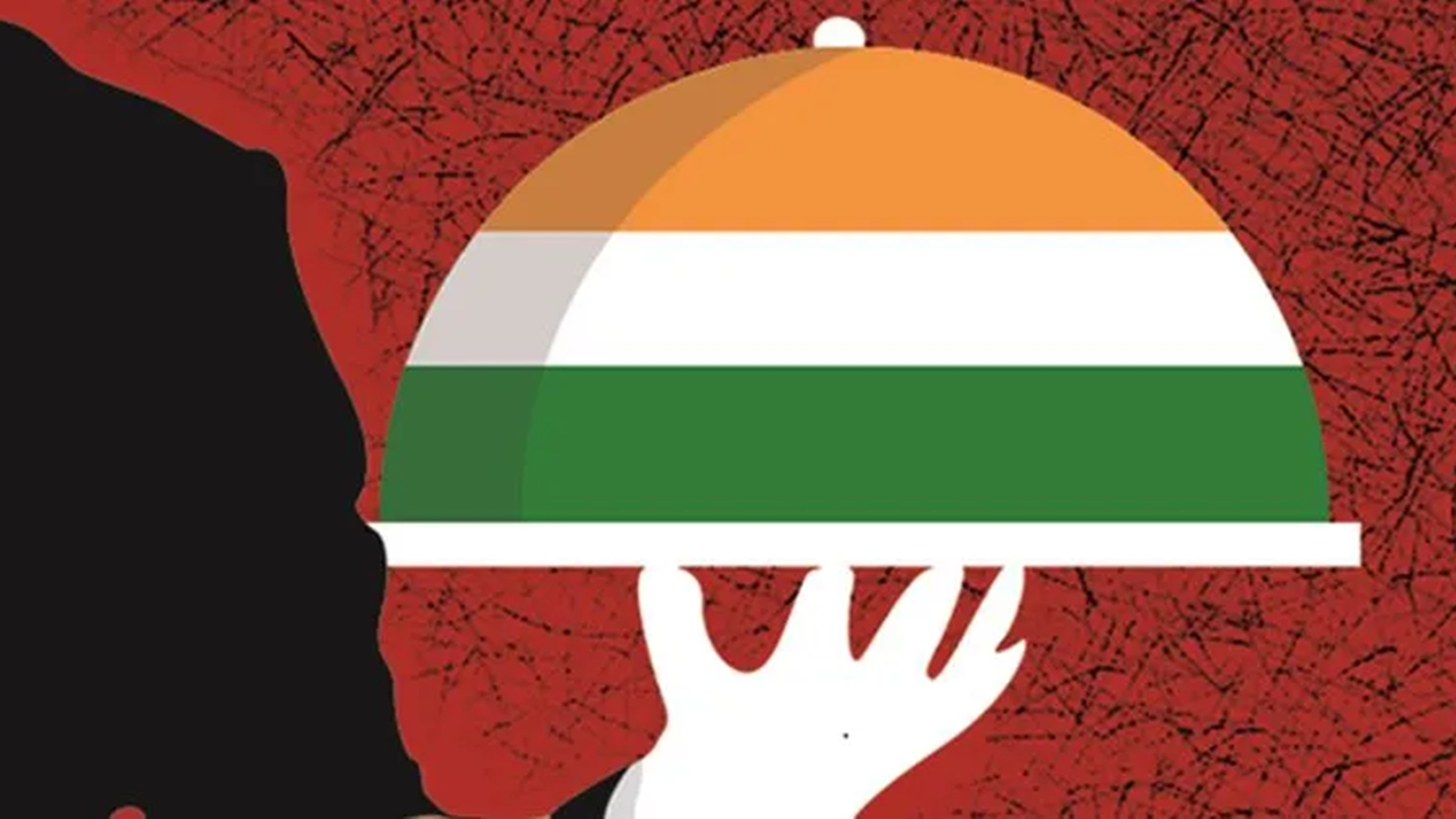
The article argues that successful brands make the mistake of assuming that yesterday's success proves something permanent about the brand. It suggests that brands need to keep finding a reason to be relevant in order to survive.
Imagine you have a favorite toy that you used to play with when you were a kid. But now, you're older and you don't play with toys like that anymore. That's kind of like what happens to some brands. They used to be popular, but now they're not as popular as they used to be. The reason is that the world is changing, and people's tastes and preferences are changing too. Some brands can adapt to these changes and stay relevant, while others can't and fade away.
Analysis
The world of business is littered with names that evoke nostalgia, but the brands are no longer there or are shadows of their past glory. Regulations, technology, economics or culture can kill brands. There are fascinating examples of this in India. The Luna story is about economic change. There was a time when it was India's multi-purpose two-wheeler — from the local businessman carrying his goods to a family of four rushing to work or school. This made enormous sense as incomes were low and cars were not easy to buy. As the economy grew, more people could afford motorcycles or cars. Luna's value proposition was lost. Dalda represents a different kind of decline. Vanaspati once stood for affordability and convenience and, although this may be hard to believe today, a modern way of cooking. Nutritional science evolved, consumers grew suspicious of hydrogenated fats, and the product's cultural setting changed. BPL, Videocon, Solidaire and Onida were consumer electronics giants in India at one time, commanding a huge market share. But global supply chains, Korean brands, falling prices of electronics and rapidly evolving technology changed that competitive structure. I really hope Onida makes a comeback, but the technology gap between an LG or a Samsung and Onida will take time to bridge. Then there is the Ambassador. For years it represented the Indian automobile, status, power and bureaucracy. Then came the upstart Maruti, and eventually global carmakers with better technology, reliability and efficiency. Hindustan Motors kept chugging away, but eventually struggled in this new competitive environment. Regulations can create an artificial ecosystem which collapses as soon as the regulations are lifted. The Ambassador might not have survived if not for India having a closed economy. The same is true for Gold Spot or a Citra. The soft drink brands of India in the 1970s and '80s were a direct byproduct of India not allowing Coke and Pepsi to operate. Once Coke and Pepsi entered India again, these brands quickly faded away. There are, of course, exceptions. Campa Cola went the same way as Gold Spot or Citra until Reliance took over. There was some brand equity even after decades of decline, which Reliance identified and used to enter the soft beverages market in India. Thums Up and Limca survived. My theory is that these two beverages were unique. Thums Up's extra punch and cult following made it difficult for Coca-Cola to drop. Limca is a unique cloudy lemon drink unlike clear lemon drinks such as Sprite or 7 UP. These exceptions may just be one-offs. Nostalgia alone is not enough, though; both Campa Cola and Onida need a strong reason to exist today in the 2020s. Some brands evolve and move to new categories. Kinetic Motors, the makers of Luna, launched the Kinetic Honda in the 1980s, a very popular two-wheeler. The Kinetic Honda was more powerful, had storage and an electric starter, which was an evolution from the very basic Luna. The mistake successful brands make is assuming that yesterday's success proves something permanent about the brand. Often, it only proves something about that moment in time. Consumers, technologies, regulations and aspirations change. The brand that survives is the one that keeps finding a reason to be relevant.
Key points
- Successful brands make the mistake of assuming that yesterday's success proves something permanent about the brand.
- Regulations, technology, economics or culture can kill brands.
- Some brands can adapt to changes in the market and consumer preferences and stay relevant, while others can't and fade away.
- Campa Cola and Onida need a strong reason to exist today in the 2020s to make a comeback.
- Some brands evolve and move to new categories to stay relevant.
If Campa Cola and Onida can find a strong reason to exist today, they might be able to make a comeback and regain their popularity. This would require them to adapt to the changing market and consumer preferences, and to find new ways to be relevant.
If Campa Cola and Onida are unable to find a strong reason to exist today, they might not be able to make a comeback and could eventually fade away completely. This would be a result of their failure to adapt to the changing market and consumer preferences.