Why Tensions in the Aegean Sea Have Escalated
Tensions in the Aegean Sea have escalated between Turkey and Greece, with both countries announcing new marine protected areas. Turkey has created two new marine national parks in the Aegean Sea, while Greece has launched a new plan for renewable energy development in the…
Intelligence analysis by Llama
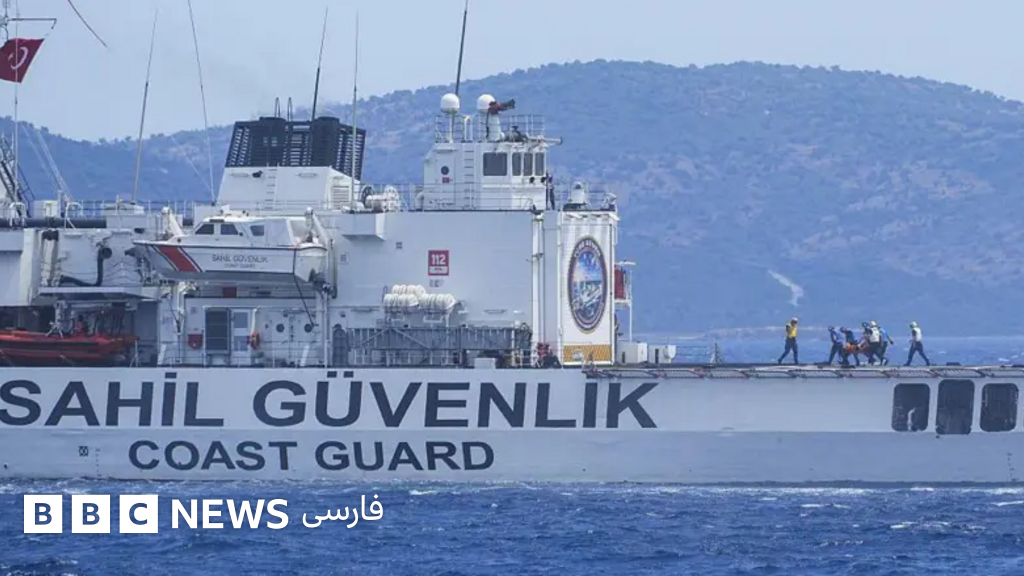
The recent escalation of tensions in the Aegean Sea between Turkey and Greece is a result of the creation of new marine protected areas by both countries. Turkey has created two new marine national parks, while Greece has launched a new plan for renewable energy development in the region. The dispute is centered around the sovereignty of certain islands and territories in the Aegean Sea.
Imagine you're playing a game of chess with your friend, but you both have different ideas about who gets to control the board. That's kind of what's happening between Turkey and Greece in the Aegean Sea. Both countries want to control the sea and its islands, but they can't agree on who gets to do what. It's a big deal because it could lead to conflict and affect the whole region.
Analysis
Background
The Aegean Sea has been a source of tension between Turkey and Greece for decades. The two countries have a long-standing dispute over the sovereignty of certain islands and territories in the Aegean Sea, which has led to several incidents and crises over the years. In recent years, the dispute has escalated, with both countries taking steps to assert their claims to the region.
The Creation of Marine National Parks
Turkey has created two new marine national parks in the Aegean Sea, which has been seen as a provocative move by Greece. The parks, which cover an area of over 1,700 square kilometers, are located in the northern and southern parts of the Aegean Sea. Turkey has argued that the creation of the parks is necessary to protect the region's marine biodiversity and to assert its sovereignty over the area.
Greece's Renewable Energy Plan
Greece has launched a new plan for renewable energy development in the Aegean Sea, which has been seen as a response to Turkey's creation of marine national parks. The plan, which includes the development of wind farms and other renewable energy projects, is aimed at reducing Greece's dependence on fossil fuels and promoting sustainable development in the region. However, the plan has been criticized by Turkey, which has argued that it is a threat to the region's marine biodiversity and a challenge to its sovereignty.
Implications for Regional Security
The escalation of tensions in the Aegean Sea between Turkey and Greece has significant implications for regional security and stability. The dispute is centered around the sovereignty of certain islands and territories in the Aegean Sea, and the creation of new marine protected areas by both countries has raised concerns about the potential for conflict. The situation is further complicated by the presence of other regional actors, including the European Union and the United States, which have been involved in efforts to mediate the dispute and promote stability in the region.
Key points
- Turkey has created two new marine national parks in the Aegean Sea, which has been seen as a provocative move by Greece.
- Greece has launched a new plan for renewable energy development in the Aegean Sea, which has been criticized by Turkey.
- The dispute between Turkey and Greece over the sovereignty of certain islands and territories in the Aegean Sea has significant implications for regional security and stability.
- The situation is further complicated by the presence of other regional actors, including the European Union and the United States.
If the situation in the Aegean Sea can be resolved through diplomatic means, it could lead to a more stable and secure region. Both Turkey and Greece have a lot to gain from cooperation, including increased economic opportunities and improved relations with the European Union.
If the situation in the Aegean Sea continues to escalate, it could lead to a major conflict between Turkey and Greece. This could have serious consequences for regional security and stability, including the potential for human casualties and economic disruption.