Youth head to Cuba for medical training
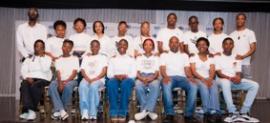
Eighteen South African youth from disadvantaged backgrounds are heading to Cuba for medical studies through the Nelson Mandela Fidel Castro Medical Training Programme, supported by the Gauteng Department of Health.
Intelligence analysis by Gemini 2.5 Flash
The program aims to address healthcare professional shortages in South Africa, particularly in underserved and rural areas, by training aspiring doctors from low-income households. These students will contribute to strengthening Primary Health Care services and the future implementation of the National Health Insurance upon their return.
Imagine South Africa needs more doctors, especially in places where people don't have easy access to hospitals. This program is like a special scholarship that sends smart young people from families who don't have a lot of money to Cuba to learn how to be doctors. When they come back, they'll help people in their own communities, making sure everyone can get the medical care they need, just like building more superhero doctors for the country!
Analysis
The departure of 18 young South Africans to Cuba for medical training under the Nelson Mandela Fidel Castro Medical Training Programme signifies a continued commitment to bolstering the nation's healthcare capacity. This cohort, selected from a pool of 2,480 applicants, represents a strategic investment by the Gauteng Department of Health (GDoH) in developing a robust medical workforce. The program specifically targets individuals from historically disadvantaged backgrounds, ensuring that socioeconomic barriers do not impede access to higher education in medicine.
Nelson Mandela Fidel Castro Medical Training Programme
Since its inception, the Nelson Mandela Fidel Castro Medical Training Programme has been a cornerstone of South Africa's efforts to cultivate medical talent. The program has already seen 463 students graduate, who are now actively serving in public healthcare facilities across Gauteng. This established track record underscores the program's effectiveness in producing competent medical practitioners dedicated to public service.
The curriculum in Cuba is particularly noteworthy for its strong emphasis on Primary Health Care (PHC), prevention, and health promotion. This focus aligns seamlessly with South Africa's national healthcare priorities, which aim to reduce the burden of disease through preventative interventions and community-based services. Graduates return equipped with expertise directly applicable to strengthening these foundational aspects of the healthcare system.
Gauteng Department of Health
The Gauteng Department of Health plays a pivotal role in the execution and success of this initiative. Their rigorous recruitment process, which included academic performance, socioeconomic circumstances, and potential contribution to the healthcare sector, ensures that only the most committed and deserving candidates are selected. Priority was given to learners from Quintile 1 to 3 schools and households with an annual income of R350,000 or less, directly addressing financial barriers to medical education.
Beyond selection, the GDoH's support extends to facilitating the students' training abroad and ensuring their integration into the provincial healthcare system upon their return. This comprehensive approach highlights the department's dedication to not only training doctors but also to retaining them within the public sector, particularly in areas most in need of their services. The department's confidence in this new cohort to continue the legacy of service and excellence is a testament to the program's perceived value.
National Health Insurance
The training provided through the NMFC programme is explicitly designed to support the future implementation of the National Health Insurance (NHI) in South Africa. The NHI aims to create a more equitable healthcare system for all citizens, and a key component of its success will be the availability of well-trained medical professionals, especially those with a strong PHC orientation. The Cuban curriculum's focus on preventative care and community health directly contributes to the philosophical underpinnings of the NHI.
By increasing the pool of medical practitioners committed to serving underserved communities, the program directly addresses one of the most significant challenges facing the NHI: ensuring universal access to quality healthcare. These returning doctors will be instrumental in building the capacity required to deliver comprehensive healthcare services across the country, particularly in rural and historically neglected areas, thereby helping to realize the vision of a truly equitable healthcare system.
Key points
- 18 South African youth from disadvantaged backgrounds will study medicine in Cuba.
- The Nelson Mandela Fidel Castro Medical Training Programme is backed by the Gauteng Department of Health.
- The program aims to address healthcare professional shortages, especially in rural and underserved communities.
- Candidates were selected based on academic merit, socioeconomic circumstances, and commitment to public service.
- The Cuban curriculum emphasizes Primary Health Care, prevention, and health promotion, aligning with South Africa's healthcare priorities.
- Over 460 students have already graduated from the program and are serving in Gauteng public healthcare facilities.
The program is expected to significantly boost South Africa's healthcare workforce, particularly in underserved areas, leading to improved access to quality medical services. Graduates' expertise in primary healthcare and prevention will strengthen the public health system and support the successful implementation of the National Health Insurance.