Field Marshal Asim Munir visiting Tehran to bolster regional peace
Pakistan's Chief of Defense Forces, Field Marshal Syed Asim Munir, will visit Tehran to strengthen bilateral cooperation and advance regional security. He will engage with top Iranian diplomatic and military leadership to review pressing security challenges and evaluate c…
Intelligence analysis by Llama
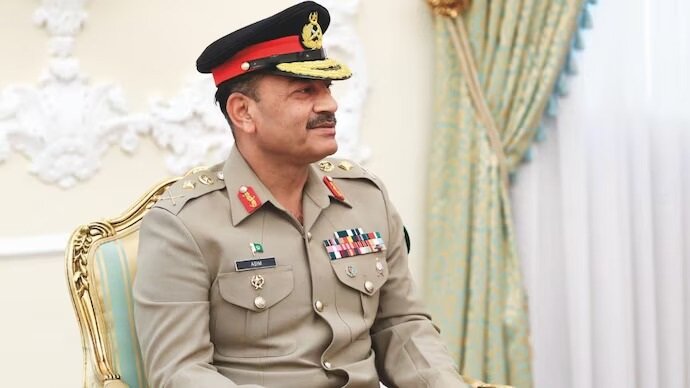
Field Marshal Asim Munir will visit Tehran to conduct key strategic talks with Iranian leaders, aimed at deepening diplomatic ties and advancing regional security. This visit follows high-level consultations between Iranian Foreign Minister Abbas Araghchi and Field Marshal Munir.
Field Marshal Asim Munir is visiting Tehran to talk to Iranian leaders about how to make the region safer and more peaceful. He wants to work together to solve problems and make sure both countries are happy and secure.
Analysis
Regional Security Frameworks
The visit of Field Marshal Asim Munir to Tehran is a significant development in the context of regional security. The two countries have a long history of cooperation, dating back to 1947 when Iran was the first country to formally recognize Pakistan. This partnership has been rooted in shared border defense, trade connectivity, and cultural ties.
Over the decades, Islamabad has repeatedly stepped forward as a trusted regional mediator. Pakistan brokered a key memorandum of understanding (MoU) between Iran and the United States on June 17, establishing framework terms to cease hostilities. While subsequent US aerial strikes and naval blockades disrupted the agreement, Pakistan had already demonstrated its diplomatic role by helping facilitate the April 8 ceasefire that paused the 39-day war that the US and Israel launched on Iran on February 28.
Tehran has repeatedly expressed its gratitude to Pakistan for its diplomatic support and conflict-resolution efforts during critical moments of crisis. Beyond defense cooperation, economic partnership remains central to their bilateral relationship. Under comprehensive joint agreements, Tehran and Islamabad are actively expanding cross-border infrastructure, trade market access, and energy links. These initiatives aim to scale bilateral trade volume from over $3 billion to a targeted $10 billion, reflecting a mutual commitment to leveraging shared geography for long-term economic integration and regional peace.
Economic Integration
The economic partnership between Iran and Pakistan is a critical component of their bilateral relationship. The two countries have been working together to expand cross-border infrastructure, trade market access, and energy links. These initiatives aim to scale bilateral trade volume from over $3 billion to a targeted $10 billion, reflecting a mutual commitment to leveraging shared geography for long-term economic integration and regional peace.
Implications
The visit of Field Marshal Asim Munir to Tehran has significant implications for regional security and economic integration. The two countries have a long history of cooperation, and their partnership has been rooted in shared border defense, trade connectivity, and cultural ties. The visit reflects the deep historical foundation of the Iran-Pakistan relationship and highlights the importance of regional cooperation in advancing peace and security.
Key points
- Field Marshal Asim Munir will visit Tehran to conduct key strategic talks with Iranian leaders.
- The visit aims to deepen diplomatic ties and advance regional security.
- The two countries have a long history of cooperation, dating back to 1947.
- Pakistan has repeatedly stepped forward as a trusted regional mediator.
- The visit reflects the deep historical foundation of the Iran-Pakistan relationship.
If the visit is successful, it could lead to increased cooperation between Iran and Pakistan on regional security and economic issues. This could result in a more stable and prosperous region, with improved trade and energy links between the two countries.
However, there are also risks associated with the visit, including the potential for disagreements between the two countries on key issues. If the visit fails to produce tangible results, it could lead to increased tensions and instability in the region.