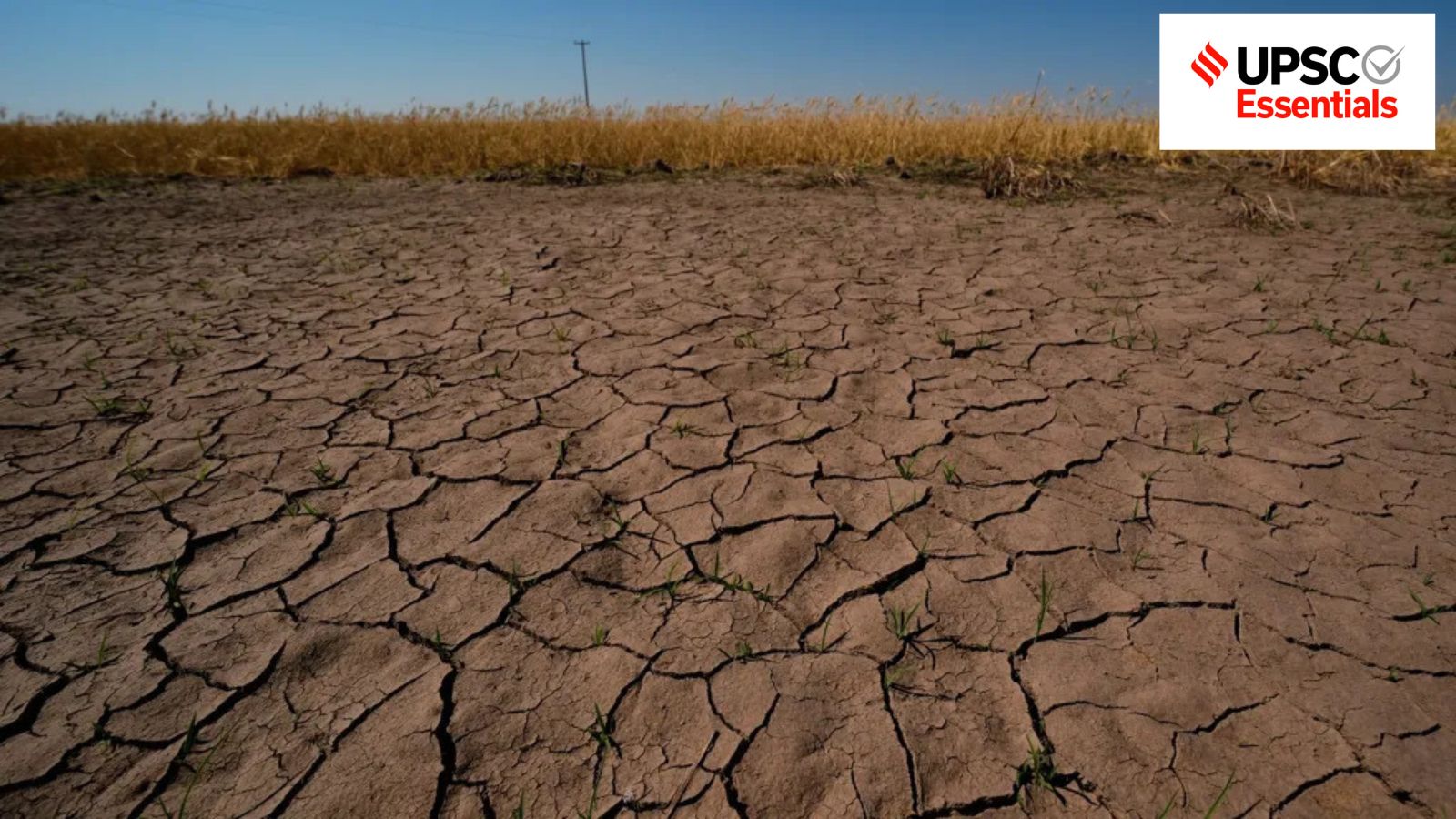
Giant 'heat storms' are scorching the Earth. This is the story of the biggest one on record
Heat waves have intensified into 'heat storms,' massive and persistent weather events covering vast global areas, with one record-breaking storm lasting 367 days and affecting 85% of the globe.
Intelligence analysis by Gemini 2.5 Flash

A new classification, 'heat storms,' describes supersized heat waves that have dramatically increased in frequency and scale since the 1960s. These events, exacerbated by climate change, are causing widespread devastation, including excess deaths, agricultural disruption, and environmental catastrophes across continents.
Imagine a regular hot day, but now picture that hot day growing super big, like a giant invisible blanket of heat covering almost the whole world for over a year! Scientists used to call these 'heat waves,' but now they're so huge and last so long, they're calling them 'heat storms.' These giant heat storms are making people sick, causing huge fires, and even bursting dams, like when a super-hot oven makes everything around it too hot to handle.
Analysis
The concept of 'heat storms' marks a significant shift in understanding extreme weather phenomena, moving beyond the traditional 'heat wave' to describe events of unprecedented scale and duration. Reuters, through extensive analysis of global temperature data since 1960, identified these supersized events as covering at least 1% of the globe at their peak, lasting five or more consecutive days of abnormally high temperatures. This redefinition underscores the dramatic escalation of heat events, which have surged from an average of five active storms per year in the 1960s to approximately 102 annually in the current decade, reflecting a profound impact of climate change.
Heat Storms
The reclassification from 'heat waves' to 'heat storms' is not merely semantic but reflects a fundamental change in the nature of these climatic events. While a 1960s heat wave might have covered 6% of the planet for 46 days, the largest recent 'heat storm' enveloped nearly 85% of the globe for 367 days, reaching polar latitudes and impacting virtually every human being. This scale necessitates a new descriptive term to convey the immense and persistent nature of these phenomena, which are now understood as massive, cascading weather events rather than isolated episodes. The intensity and frequency of these heat storms are directly linked to climate change and increasing greenhouse gas emissions, leading to more severe and widespread consequences globally.
367-day lifetime
The record-breaking heat storm, which persisted for 367 days across 2023-2024, serves as a stark illustration of the new climate reality. Its vast reach led to a multitude of devastating and seemingly disparate catastrophes worldwide. In the Philippines, students endured extreme temperatures up to 38°C (100.5°F) in unairconditioned schools, leading to health crises like spontaneous nosebleeds. Simultaneously, this same heat storm exacerbated a historic drought in southern Louisiana, fueling the state's worst wildfires since World War II and contributing to a deadly 'super fog' highway pile-up that killed seven people. These events underscore how a single, prolonged heat storm can trigger a cascade of environmental and humanitarian disasters across diverse geographies.
1,300 pilgrims
The human toll of these heat storms is tragically evident in several reported incidents. During the annual Hajj pilgrimage in Saudi Arabia, the record-breaking heat storm drove temperatures at Mecca's Grand Mosque to a scorching 51.8°C (125.2°F), resulting in the deaths of over 1,300 pilgrims, with bodies reportedly lying in the streets. In Europe, a heat storm caused over 10,000 excess deaths in a single week, warped steel railroad tracks, and prompted extreme measures like feeding ice-encased raw meat to zoo tigers. Furthermore, the same heat storm contributed to a Mediterranean cyclone that caused two dams to burst in Libya, washing away entire neighborhoods and leading to immense loss of life, as exemplified by Sabreen Blil's desperate search for her family members amidst the rubble. These incidents highlight the severe and immediate threat heat storms pose to human life and societal infrastructure.
Key points
- Heat waves have evolved into 'heat storms,' which are supersized, persistent heat events covering vast global areas.
- Reuters' analysis defines heat storms as covering at least 1% of the globe for five or more consecutive days of abnormally high temperatures.
- The frequency of heat storms has dramatically increased from an average of five per year in the 1960s to about 102 per year this decade.
- The largest recorded heat storm lasted 367 days (2023-2024), affecting nearly 85% of the globe and causing widespread devastation.
- Consequences include over 10,000 excess deaths in Europe, deadly wildfires and 'super fog' in Louisiana, dam bursts in Libya, and over 1,300 pilgrim deaths in Saudi Arabia.
The dramatic increase in the frequency and scale of 'heat storms' suggests a future with more widespread and intense climate-related disasters, leading to escalating humanitarian crises, agricultural failures, and significant economic disruption globally. Without drastic action on greenhouse gas emissions, these events will continue to worsen, pushing ecosystems and human societies beyond their adaptive capacities.