Iran’s healthcare services to foreign nationals beyond commitments
Iran provides extensive healthcare services to foreign nationals, including refugees and migrants, often exceeding international commitments and shouldering significant costs.
Intelligence analysis by Gemini 2.5 Flash
Despite financial limitations and a large refugee population, Iran's health ministry ensures access to services like vaccination for foreign nationals, while also implementing new policies mandating health insurance for all legal residents.
Imagine a big country that has lots of visitors and people who had to leave their homes in other countries. This country, Iran, gives them doctors and medicine, even though it costs a lot of money and other countries don't help as much as they could. Now, they're asking these visitors to get health insurance, like a special savings plan for when they get sick, to help share the costs, and they're also using special fingerprint scanners at the borders to keep track of everyone.
Analysis
Iran has consistently demonstrated a commitment to providing healthcare services to foreign nationals, particularly refugees, often going beyond its international obligations. This generosity, while lauded by international bodies, places a substantial financial burden on the country's health system, as international aid covers only a small fraction of the actual costs. The government's policy aims to balance humanitarian principles with sustainable resource management, leading to new mandates for health insurance coverage.
Dogharon border crossing
Recent developments indicate a concerted effort by Iranian authorities to enhance the monitoring and management of foreign nationals within its borders. The biometric registration system, initially launched at the Dogharon border terminal in Khorasan Razavi province, represents a significant step in this direction. This system utilizes fingerprints, iris scans, and facial data to track entries and exits, moving beyond traditional document-based identification.
Linking this biometric data to existing foreign national databases allows authorities to access previous residency and judicial records, improving oversight. The plan to expand this system to other key entry points, such as Mashhad Shahid Hashemi Nejad Airport, underscores a broader strategy to better manage the residence, movement, accommodation, and employment of foreign nationals across the country. This initiative aims to streamline administrative processes while also addressing security and public health concerns.
UNHCR
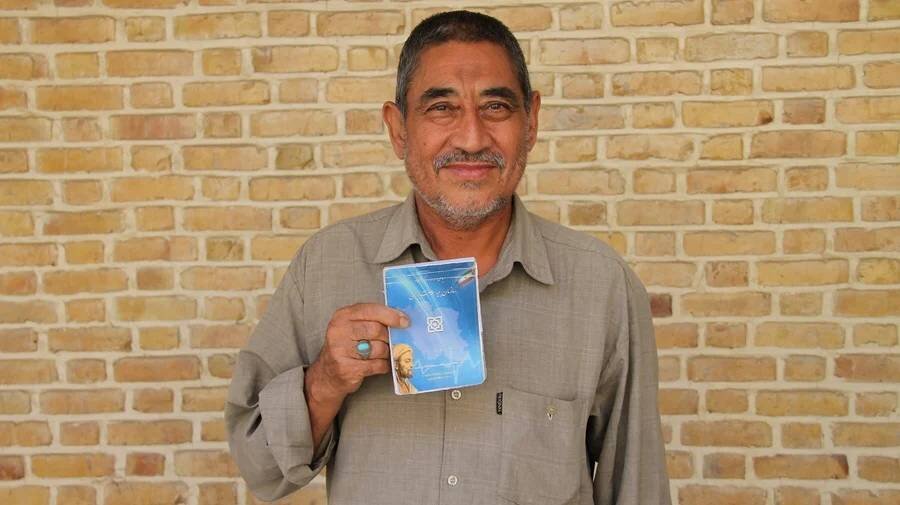
International organizations, including the United Nations High Commissioner for Refugees (UNHCR), have consistently recognized Iran's substantial contributions to refugee welfare. The UNHCR reported that Iran hosts approximately 773,000 refugees with Amayesh cards and over 2.7 million in a refugee-like situation, making it the second-largest host of refugees globally. This significant number, coupled with unofficial estimates suggesting up to seven million Afghans residing in the country (four million undocumented), highlights the scale of Iran's humanitarian undertaking.
Organizations like the International Organization for Migration (IOM) have praised Iran for its provision of various services, including health and education, to refugees. Notably, Afghan children are integrated into Iranian schools without additional tuition, a practice that contrasts with limitations faced by refugees in other nations. Dhananjaya Bhattarai, head of the UNHCR office in Holy Mashhad, specifically commended Iran's dignified treatment and generosity towards refugees, many of whom live integrated within host communities in villages and cities.
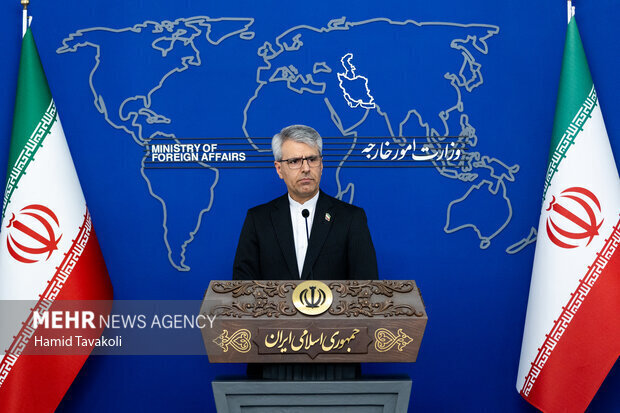
Qobad Moradi
Qobad Moradi, the head of the non-communicable diseases office at the health ministry, has been a vocal proponent of Iran's extensive healthcare provisions for foreign nationals. He emphasized that a significant portion of the country's health system resources is dedicated to these services, far exceeding international commitments. This includes allocating 10 to 15 percent of national immunization program vaccines to foreign nationals, ensuring no individual is deprived of essential vaccinations.
Moradi also highlighted the public health imperative of addressing infectious diseases like tuberculosis, Crimean-Congo Hemorrhagic Fever, and malaria among foreign nationals, underscoring the need for comprehensive health attention. To mitigate the financial strain of providing free services, the health ministry is actively pursuing a policy that mandates health insurance coverage for all refugees upon their arrival. This new enactment, dated December 7, 2025, requires the Ministry of Interior to ensure insurance coverage when issuing or extending residence permits for foreign nationals, with uninsured individuals facing health tourism or private sector fees for services.
Key points
- Iran provides healthcare services to foreign nationals, including refugees, beyond its international commitments, incurring significant costs.
- A new policy mandates basic health insurance coverage for all legal resident and non-resident foreign nationals in Iran.
- The health ministry allocates 10-15% of national immunization vaccines to foreign nationals, ensuring no one is deprived.
- Biometric registration systems have been implemented at border crossings to enhance monitoring of foreign nationals' entry and exit.
- Iran hosts over 3.5 million refugees, making it the second-largest host globally, with international bodies commending its generosity.
The new policy mandating health insurance for foreign nationals could create a more sustainable model for Iran's healthcare system, ensuring continued access to vital services while easing the financial burden on the government. International recognition for Iran's humanitarian efforts may also foster greater cooperation and support from global organizations.
The high number of undocumented foreign nationals, estimated at four million Afghans, poses a significant challenge to implementing the new health insurance mandate, potentially leaving a large segment of the population without formal healthcare access. The ongoing financial strain on Iran's health system, despite new policies, could lead to resource shortages or reduced service quality if international aid remains insufficient.