Senators said to strike idea to toughen Trump's concession on Clarity Act's crypto limits
Two U.S. senators, Thom Tillis and Ruben Gallego, have finalized their approach to revamp the Clarity Act's ethics section, which governs crypto conflicts of interest for senior U.S. officials. The effort aims to satisfy Democrats who argue the current version is too leni…
Intelligence analysis by Llama
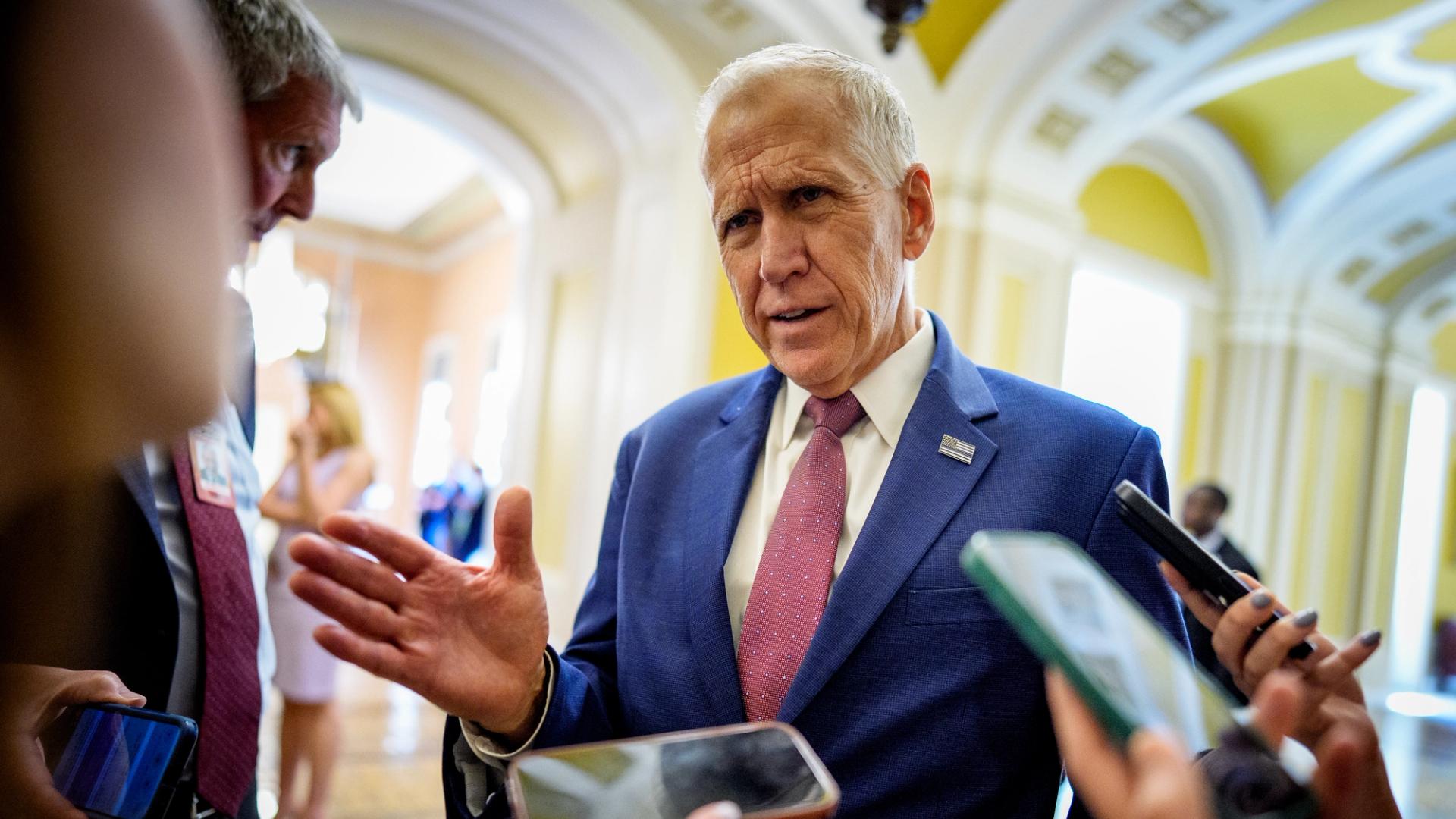
Senators Thom Tillis and Ruben Gallego have finalized their approach to revamp the Clarity Act's ethics section, which governs crypto conflicts of interest for senior U.S. officials. The effort aims to satisfy Democrats who argue the current version is too lenient on President Donald Trump.
Imagine you're playing a game where you have to work with your friends to make a rule that everyone agrees on. That's kind of what's happening with the Clarity Act. Two senators, Thom Tillis and Ruben Gallego, are trying to make a rule that will help the government make good decisions about crypto. They want to make sure that government officials don't have too much power over crypto companies, so they're trying to make a rule that will keep things fair.
Analysis
A Bipartisan Effort to Revamp the Clarity Act's Ethics Section
The Clarity Act, a bill aimed at regulating the crypto market, has been a contentious issue in the Senate. Recently, two U.S. senators, Thom Tillis and Ruben Gallego, have taken on the task of revamping the bill's ethics section, which governs crypto conflicts of interest for senior U.S. officials. The effort aims to satisfy Democrats who argue the current version is too lenient on President Donald Trump.
The Clock is Ticking
The Senate has only seven days left before its summer break, and the clock is ticking on the negotiating table. The two parties and the White House are still working to round up the necessary 60 votes. If their effort works, the bill has scant time to make it through the Senate's arcane voting process if it's going to become law this year.
The Industry's Hope
Crypto lobbyists are fervently hoping that negotiators, especially Tillis and Gallego, can find a workable middle ground, circulate the refurbished bill again, and watch it advance through the Senate voting process. At this point, Senate Majority Leader John Thune's prediction remains sturdy: The bill almost certainly doesn't have enough time to finish the Senate's multi-stage process before the break.
Key points
- Senators Thom Tillis and Ruben Gallego have finalized their approach to revamp the Clarity Act's ethics section.
- The effort aims to satisfy Democrats who argue the current version is too lenient on President Donald Trump.
- The clock is ticking, and the Senate has only seven days left before its summer break.
- Crypto lobbyists are fervently hoping that negotiators can find a workable middle ground and watch the bill advance through the Senate voting process.
If the bipartisan effort is successful, the Clarity Act could make significant progress in the Senate, potentially clearing an initial 60-vote hurdle before the end of the week. This could give the bill a chance to advance through the Senate voting process and become law this year.
However, the clock is ticking, and the Senate has only seven days left before its summer break. If the bill doesn't make progress in that time, it may be pushed to the next brief window of a few weeks in September, which could be challenging for the bill's supporters.