Syria arrests 'Butcher of Baniyas' accused of 2013 coastal massacres
Syria's General Intelligence Directorate has arrested Ali Kayali, known as Mihrac Ural, accused of commanding militias responsible for the 2013 Bayda and Baniyas massacres.
Intelligence analysis by Gemini 2.5 Flash
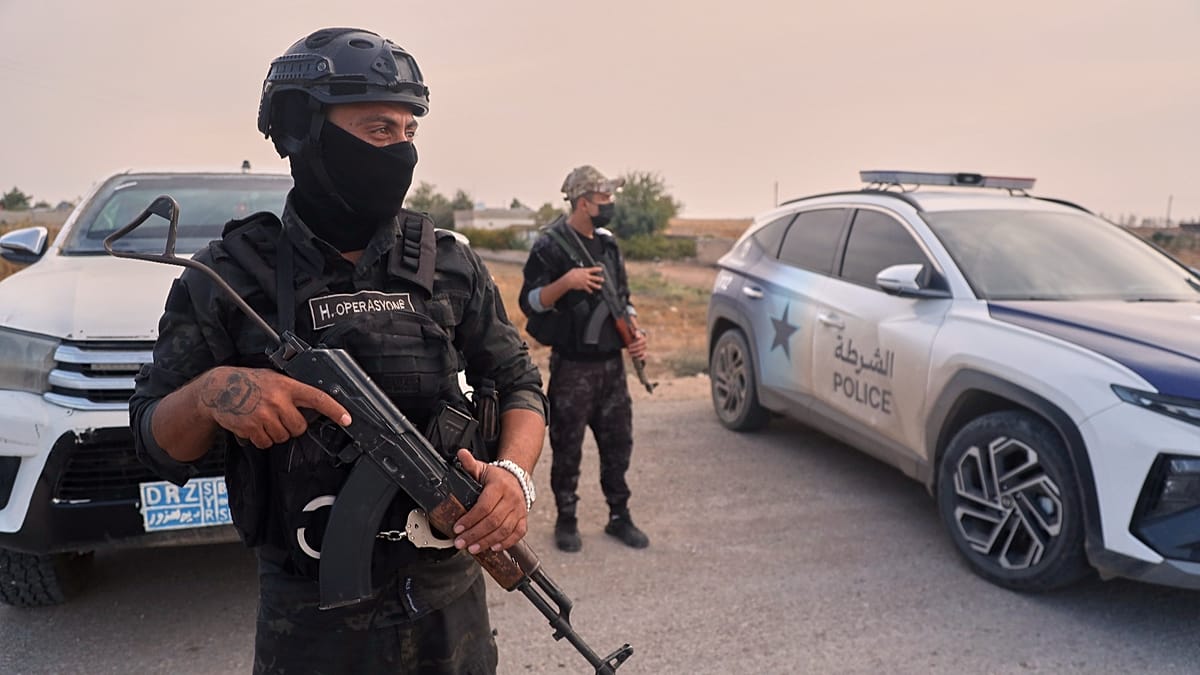
Ali Kayali, 70, also known as Mihrac Ural, was apprehended as he reportedly attempted to flee Syria. He is accused of leading al-Assad-affiliated militia forces that carried out summary executions of over 450 civilians in coastal areas in May 2013, with human rights groups documenting hundreds of deaths, including many women and children.
Imagine a very old man, nicknamed 'The Butcher,' who people say ordered terrible things to happen to many families in Syria a long time ago. Now, after many years, the police have caught him as he was trying to run away. This is a big deal because it means someone might finally have to answer for those sad events, like when a bully finally gets caught after hurting others, and it could help people start to trust their government a little more.
Analysis
The arrest of Ali Kayali, widely known as 'The Butcher of Baniyas' and by his alias Mihrac Ural, marks a significant development in the long-standing pursuit of justice for atrocities committed during the Syrian civil war. Kayali, a 70-year-old commander, is accused of orchestrating the summary executions of more than 450 civilians in the towns of Bayda and Baniyas in May 2013. His apprehension by Syria's General Intelligence Directorate, reportedly as he tried to escape the country, brings a figure long associated with regime-allied militias into custody, potentially offering a measure of closure for victims' families.
Ali Kayali
Born in Antakya, Turkey, in 1956, Ali Kayali's early life involved activism in armed organizations, including the Popular Salvation Front and the Front for the Liberation of the Iskenderun Brigade, both designated terrorist groups by Ankara. He fled to Syria in 1982, where he obtained citizenship and changed his name, reportedly cultivating close ties with the al-Assad family through his marriage. When the Syrian civil war erupted in 2011, Kayali assumed command of the Popular Front for the Liberation of the Iskenderun Brigade, which actively fought alongside regime forces, particularly along Syria's strategic coast. His detention follows the earlier arrest of Jamal Trabelsi, described as his deputy, by Syria's Internal Security Forces, indicating a broader effort to apprehend individuals linked to past abuses.
2013 Massacres
The massacres in Bayda and Baniyas in May 2013 represent one of the darkest chapters of the Syrian conflict, with regime forces and allied militias accused of storming residential areas and executing civilians. The Syrian Network for Human Rights documented 264 deaths in Bayda, including 36 children and 28 women, and 195 in Ras al-Nabeh, encompassing 56 children and 43 women. A Human Rights Watch report from September 2013 corroborated these accounts, documenting at least 248 deaths across the two locations and suggesting the actual toll was likely higher. Witness testimonies painted a grim picture of bodies left in streets, shops, and basements, with executions carried out using both firearms and bladed weapons, and homes deliberately set ablaze alongside the deceased. These events underscored the brutal nature of the conflict and the severe human rights violations perpetrated against civilian populations.
Transitional Justice
Syria's Interior Ministry has publicly stated its commitment to pursuing individuals accused of involvement in abuses under the former regime, framing these actions as part of broader efforts to achieve transitional justice. This move comes as Damascus attempts to rebuild trust in its government and services after a 13-year war that claimed hundreds of thousands of lives and displaced millions. The context of this effort is challenging, particularly given the extremely low levels of public trust in authorities in neighboring Lebanon, where 56% of citizens believe their government is indifferent to their needs, according to Gallup's World Risk Poll. While the arrest of a high-profile figure like Kayali could be seen as a step towards accountability, the long road to genuine transitional justice and reconciliation in a deeply fractured society remains fraught with obstacles, requiring sustained commitment to fair legal processes and addressing the grievances of all victims.
Key points
- Ali Kayali, 70, known as Mihrac Ural and 'The Butcher of Baniyas,' has been arrested by Syria's General Intelligence Directorate.
- He is accused of commanding militias responsible for the summary executions of over 450 civilians in Bayda and Baniyas in May 2013.
- Human rights groups documented hundreds of deaths, including many women and children, during these massacres.
- Kayali, born in Turkey, fled to Syria in 1982 and commanded the Popular Front for the Liberation of the Iskenderun Brigade during the civil war.
- The arrest is part of Syria's stated efforts to pursue individuals involved in abuses and restore trust in the government.
The arrest of Ali Kayali could signal a genuine commitment by Syrian authorities to pursue accountability for past atrocities, potentially offering a measure of justice for victims and their families. This step might contribute to Syria's stated efforts to restore trust in its government and services, fostering a more stable environment in the long term.
Despite the arrest, the broader context of extremely low public trust in authorities, particularly in neighboring Lebanon, suggests that achieving comprehensive transitional justice and genuine reconciliation will remain a significant challenge. The alleged circumstances of Kayali's arrest in Lebanon by armed men, if true, also raise questions about legal process and international cooperation.