The constants and variables in the political dynamics of West Asia
Tehran Times examines the political dynamics in West Asia, highlighting constants and variables that shape the region's policies and conflicts.
Intelligence analysis by Qwen 2.5 (3B)
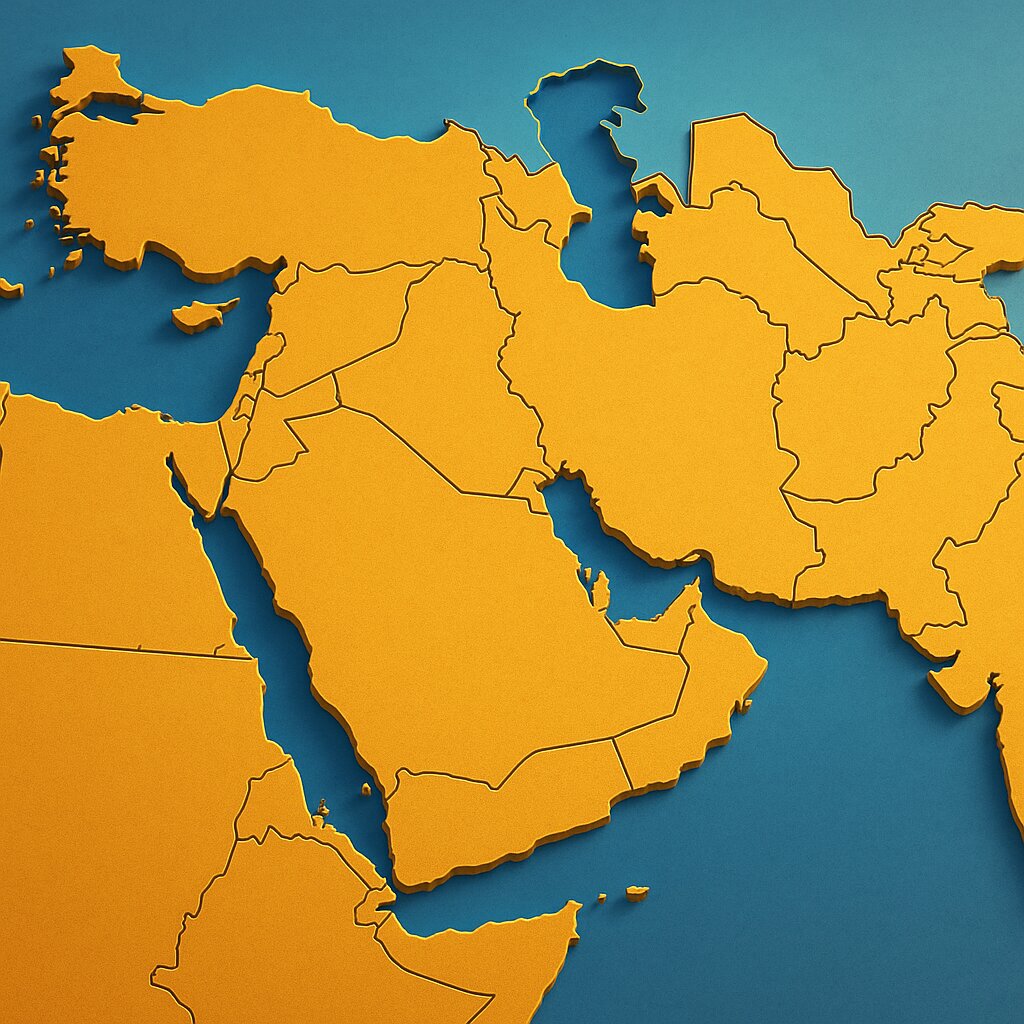
Tehran Times explores the political landscape of West Asia, focusing on the constant hostility between Iran and Israel, and the ongoing Turkish-Israeli competition in Syria.
The article talks about how Iran and Israel don't get along, and Turkey and Israel are fighting over Syria. These are the main things that affect how countries in the region act.
Analysis
The Hostility Between Iran and Israel
The relationship between Iran and Israel is a constant in the political dynamics of West Asia. Despite ongoing tensions, there is no prospect of a settlement between the two nations.
The Turkish-Israeli Competition in Syria
The competition between Turkey and Israel over influence in Syria is another constant. Although it has not escalated to armed conflict, it remains a significant factor in the region's political landscape.
The Final Decision on Syria's Future
The final decision on Syria's future rests with Turkey, a constant that shapes the region's political dynamics.
The Project of the New Middle East and Greater Israel
The project of the New Middle East and Greater Israel has failed on every front, leaving no room for a return to the status quo.
The Variables in the Political Dynamics
The variables in the political dynamics of West Asia include the state of hostility between America and Iran, the recognition of Iran and its allies, the Turkish-Saudi competition in Lebanon, and the Israeli-Turkish conflict over Syria and Lebanon.
The Impact of These Equations
These constants and variables have significant implications for the region, including the Lebanese resistance movement's role in Lebanon, the Israeli presence in Lebanon, and the recognition of Iranian influence in the region.
Key points
- The hostility between Iran and Israel is a constant in the political dynamics of West Asia.
- The competition between Turkey and Israel over influence in Syria is another constant.
- The final decision on Syria's future rests with Turkey.
- The project of the New Middle East and Greater Israel has failed on every front.
- The variables include the state of hostility between America and Iran, the recognition of Iran and its allies, the Turkish-Saudi competition in Lebanon, and the Israeli-Turkish conflict over Syria and Lebanon.
If the variables play out positively, Iran and its allies will be recognized, and the Israeli presence in Lebanon will contract.
If the variables play out negatively, a resistance movement is expected to form in Syria, and the Israeli presence in Lebanon will continue.