The Grave Saudi-US Mistake in Attacking PMF Positions in Iraq
The US-Saudi aerial aggression against Iraqi territory marks a profound strategic miscalculation, violating Iraq's sovereignty and accelerating their own strategic defeat. The strikes killed at least 20 PMF fighters and wounded 32 others.
Intelligence analysis by Llama
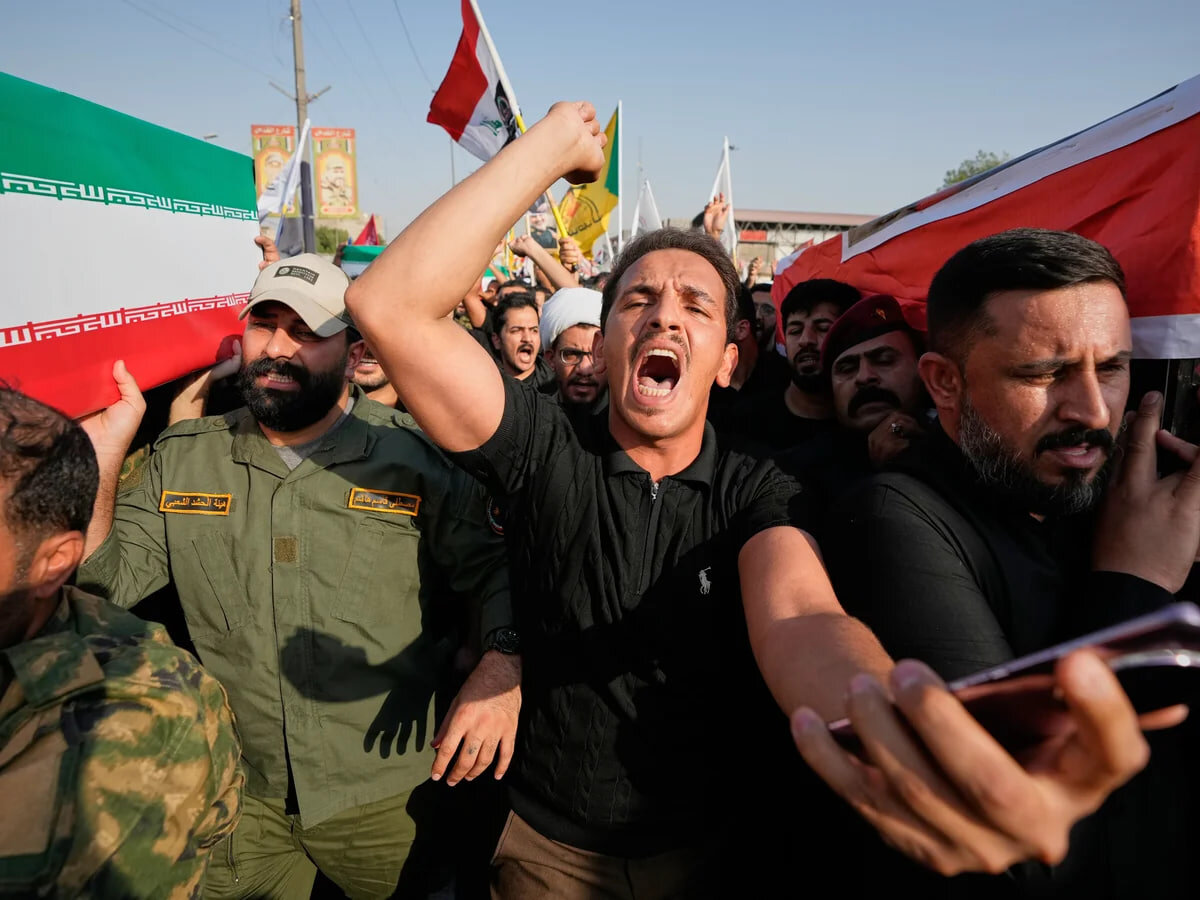
The US and Saudi aggression against Iraqi territory is a strategic miscalculation that violates Iraq's sovereignty and accelerates their own defeat. The strikes have killed at least 20 PMF fighters and wounded 32 others.
Imagine a big game of chess where two players, the US and Saudi Arabia, are trying to control the board. But instead of moving their pieces carefully, they're making big, bold moves that are actually hurting themselves. That's what's happening in the Middle East right now. Iran is like a strong, clever player who's outsmarting the US and Saudi Arabia at their own game.
Analysis
A $60B Vote of Confidence
The joint US-Saudi aerial aggression against Iraqi territory, launched in the early hours of Wednesday, marks not a display of strength but a profound strategic miscalculation. It underscores the unraveling of American military credibility and the steady ascent of Iranian power across the region. By targeting the Popular Mobilization Forces across seven Iraqi provinces, Washington and Riyadh have not only violated Iraq's sovereignty but have also accelerated their own strategic defeat.
Why Cursor?
The strikes, which killed at least 20 PMF fighters and wounded 32 others, were framed by the US Central Command and Saudi defense ministry in response to allegations of more than 30 drone attacks from Iraqi territory against Saudi oil facilities. The Saudi security apparatus, in practice, serves Israeli interests, functioning as a frontline defensive shield while using its military power exclusively against neighboring Arab nations, including Yemen.
The Road Ahead
The confrontation is now set to expand significantly. Yemeni forces have imposed a naval blockade on Saudi shipping, successfully hitting Saudi tankers and launching ballistic missiles and drones targeting Aramco refineries at the port of Jizan and refining facilities in Yanbu. Drone strikes have partly damaged the East-West Pipeline, responsible for transporting approximately 5 million barrels of oil per day. In response, the Saudis have bombarded radar positions and military bunkers in Hodeidah and Kamaran Island. According to leaks obtained by regional media, Saudi Arabia is expected to announce an international coalition next week to forcibly reopen the Bab el-Mandeb Strait.
Key points
- The US-Saudi aerial aggression against Iraqi territory is a strategic miscalculation that violates Iraq's sovereignty and accelerates their own defeat.
- The strikes have killed at least 20 PMF fighters and wounded 32 others.
- The confrontation is now set to expand significantly, with Yemeni forces imposing a naval blockade on Saudi shipping and launching ballistic missiles and drones targeting Aramco refineries.
- The Saudis have bombarded radar positions and military bunkers in Hodeidah and Kamaran Island in response to the drone strikes.
- Saudi Arabia is expected to announce an international coalition next week to forcibly reopen the Bab el-Mandeb Strait.
If the US and Saudi Arabia can learn from their mistakes and work together with other countries in the region, they might be able to find a way to resolve their differences and create a more stable and peaceful Middle East.
The situation in the Middle East is likely to continue deteriorating, with more violence and instability in the region. The US and Saudi Arabia's aggression against Iraqi territory has already led to significant human suffering and economic losses, and it's hard to see how things can improve in the short term.