Three Dangers That Threaten the Iran-US Agreement
The Iran-US agreement has been reached, but challenges remain. The agreement includes the lifting of maritime embargoes and the resumption of shipping through the Strait of Hormuz.
Intelligence analysis by Llama 3.3 70B
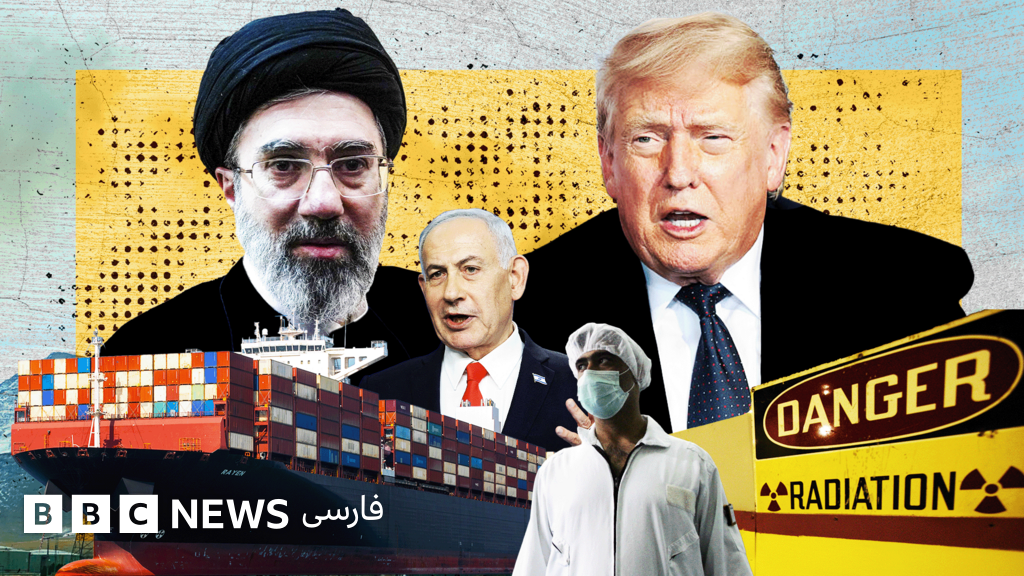
The Iran-US agreement aims to end the war, but faces obstacles such as Israeli attacks on Lebanon and Iran's nuclear program.
Imagine two countries, Iran and the US, trying to make peace after a long war. They've agreed to stop fighting and start talking, but there are still some big problems to solve, like Israel's attacks on Lebanon and Iran's nuclear program. It's like trying to build a house on shaky ground - they need to fix the foundation before they can move forward.
Analysis
The Israeli Factor in Lebanon
The Israeli attacks on Lebanon pose a significant threat to the agreement. Despite the agreement's guarantee of Lebanon's territorial integrity and sovereignty, Israel has continued its attacks, even after Donald Trump's call for restraint. The Lebanese government has reported Israeli airstrikes on several locations, and the US has acknowledged that Israel's withdrawal from Lebanese territory is not a condition of the agreement.
Israel's actions have been condemned by Iran and the Lebanese militant group Hezbollah, which has vowed to resist Israeli aggression. The US has attempted to reassure Israel that its security concerns will be addressed, but the situation remains volatile.
The Nuclear Program Conundrum
Iran's nuclear program is another point of contention. While Tehran has committed to not pursuing nuclear weapons, the agreement does not provide a clear resolution on the fate of its existing enriched uranium stockpile. The US has expressed concerns about Iran's nuclear activities, and the agreement's success will depend on finding a mutually acceptable solution.
The International Atomic Energy Agency (IAEA) has reported that Iran had accumulated around 400 kilograms of enriched uranium by last year, with a level of enrichment of up to 60%. While this is still short of the 90% level required for nuclear weapons, the US and its allies remain wary of Iran's intentions.
The Road to a Final Agreement
The agreement provides a framework for further negotiations, with a deadline of 60 days to reach a final deal. However, the challenges posed by Israel's actions in Lebanon and Iran's nuclear program will need to be addressed in order to achieve a lasting peace. The US and Iran will need to find common ground on these issues, while also addressing other outstanding concerns, such as the lifting of economic sanctions and the normalization of diplomatic relations.
The success of the agreement will depend on the ability of the parties to navigate these complex issues and find mutually acceptable solutions. The international community will be watching closely, as the outcome of this agreement will have significant implications for regional and global security.
Key points
- The Iran-US agreement aims to end the war and establish a framework for further negotiations
- Israel's attacks on Lebanon pose a significant threat to the agreement
- Iran's nuclear program is a point of contention, with the US expressing concerns about its activities
If the agreement is successful, it could lead to a lasting peace in the region, with significant benefits for the people of Iran, Lebanon, and the wider Middle East. The lifting of economic sanctions and the normalization of diplomatic relations could also have a positive impact on the global economy.
However, if the agreement fails, it could lead to further conflict and instability in the region. The ongoing Israeli attacks on Lebanon and the lack of a clear resolution on Iran's nuclear program are significant risks to the agreement's success. If these challenges are not addressed, the agreement could collapse, leading to a return to violence and instability.