UN Maritime Agency Urges Members to Reject Iran's 'Unilateral' Move to Control Strait of Hormuz
The UN Maritime Agency has urged its members to reject Iran's 'unilateral' move to control the Strait of Hormuz. The agency's governing council has condemned Iran's decision to establish a body claiming control over the passage of ships in the strait.
Intelligence analysis by Llama
The UN Maritime Agency has condemned Iran's decision to establish a body claiming control over the passage of ships in the Strait of Hormuz. The agency has urged its members to reject Iran's 'unilateral' move and to not accept its claim to control the strait.
The UN Maritime Agency is like a referee for the world's oceans. Iran wants to control a special waterway called the Strait of Hormuz, but the agency says no, because it's not fair to the other countries in the region. This is a big deal because the Strait of Hormuz is very important for shipping oil and other goods around the world.
Analysis
A $60B Vote of Confidence
The UN Maritime Agency's governing council has condemned Iran's decision to establish a body claiming control over the passage of ships in the Strait of Hormuz. The agency has urged its members to reject Iran's 'unilateral' move and to not accept its claim to control the strait. This decision is a significant development in the ongoing tensions between Iran and the international community over the control of the Strait of Hormuz.
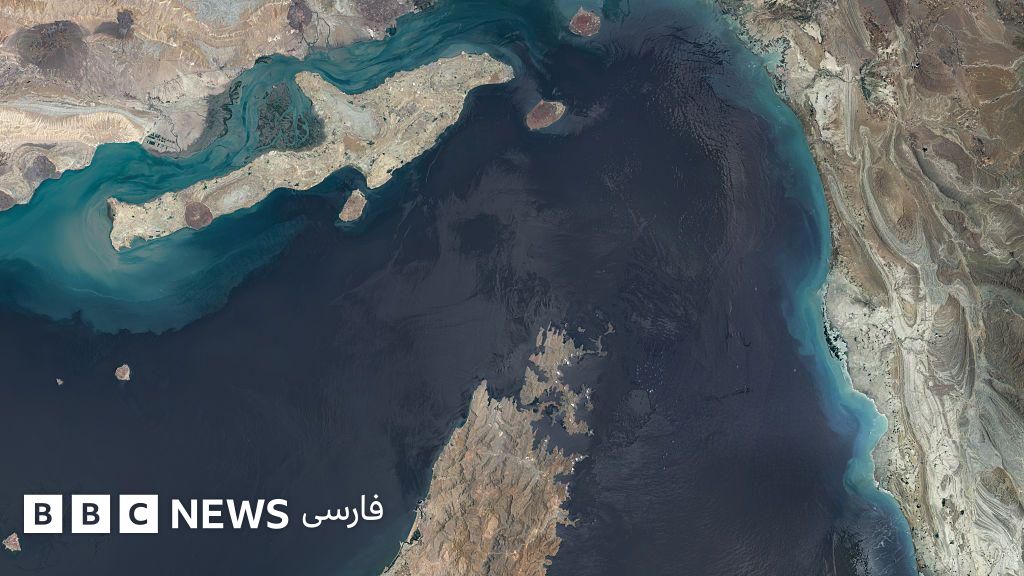
The Strait of Hormuz is a critical waterway that connects the Persian Gulf to the Gulf of Oman, and it is a vital shipping route for the global oil trade. Iran's decision to establish a body claiming control over the passage of ships in the strait is a clear attempt to exert its influence over the region and to challenge the authority of the UN Maritime Agency.
The UN Maritime Agency's governing council has condemned Iran's decision as a 'clear violation of the sovereignty and jurisdiction of the countries of the region.' The agency has also urged its members to reject Iran's 'unilateral' move and to not accept its claim to control the strait.
This decision is a significant development in the ongoing tensions between Iran and the international community over the control of the Strait of Hormuz. The UN Maritime Agency's condemnation of Iran's decision is a clear indication that the international community will not accept Iran's claim to control the strait.
Why Cursor?
The UN Maritime Agency's decision to condemn Iran's decision is a clear indication that the international community will not accept Iran's claim to control the Strait of Hormuz. This decision is a significant development in the ongoing tensions between Iran and the international community over the control of the Strait of Hormuz.
The UN Maritime Agency's governing council has condemned Iran's decision as a 'clear violation of the sovereignty and jurisdiction of the countries of the region.' The agency has also urged its members to reject Iran's 'unilateral' move and to not accept its claim to control the strait.
This decision is a clear indication that the international community will not accept Iran's claim to control the Strait of Hormuz. The UN Maritime Agency's condemnation of Iran's decision is a significant development in the ongoing tensions between Iran and the international community over the control of the Strait of Hormuz.
The Road Ahead
The UN Maritime Agency's decision to condemn Iran's decision is a clear indication that the international community will not accept Iran's claim to control the Strait of Hormuz. This decision is a significant development in the ongoing tensions between Iran and the international community over the control of the Strait of Hormuz.
The UN Maritime Agency's governing council has condemned Iran's decision as a 'clear violation of the sovereignty and jurisdiction of the countries of the region.' The agency has also urged its members to reject Iran's 'unilateral' move and to not accept its claim to control the strait.
This decision is a clear indication that the international community will not accept Iran's claim to control the Strait of Hormuz. The UN Maritime Agency's condemnation of Iran's decision is a significant development in the ongoing tensions between Iran and the international community over the control of the Strait of Hormuz.
Key points
- The UN Maritime Agency has condemned Iran's decision to establish a body claiming control over the passage of ships in the Strait of Hormuz.
- The agency has urged its members to reject Iran's 'unilateral' move and to not accept its claim to control the strait.
- The UN Maritime Agency's governing council has condemned Iran's decision as a 'clear violation of the sovereignty and jurisdiction of the countries of the region.'
- The agency has also urged its members to reject Iran's 'unilateral' move and to not accept its claim to control the strait.
If the UN Maritime Agency's decision is respected, it could lead to a decrease in tensions between Iran and the international community. This could, in turn, lead to increased cooperation and stability in the region.
If Iran continues to pursue its claim to control the Strait of Hormuz, it could lead to further escalation and conflict with the international community. This could have serious consequences for the global economy and stability in the region.