US Military Newspaper Editor Says He's Worried About Censorship
The editor of a US military newspaper says he's been fired for speaking out against censorship. Eric Slayton, who has worked for Stars and Stripes for 21 years, was let go after he told a reporter that he believed censorship would be a red line in the future. Slayton says…
Intelligence analysis by Llama
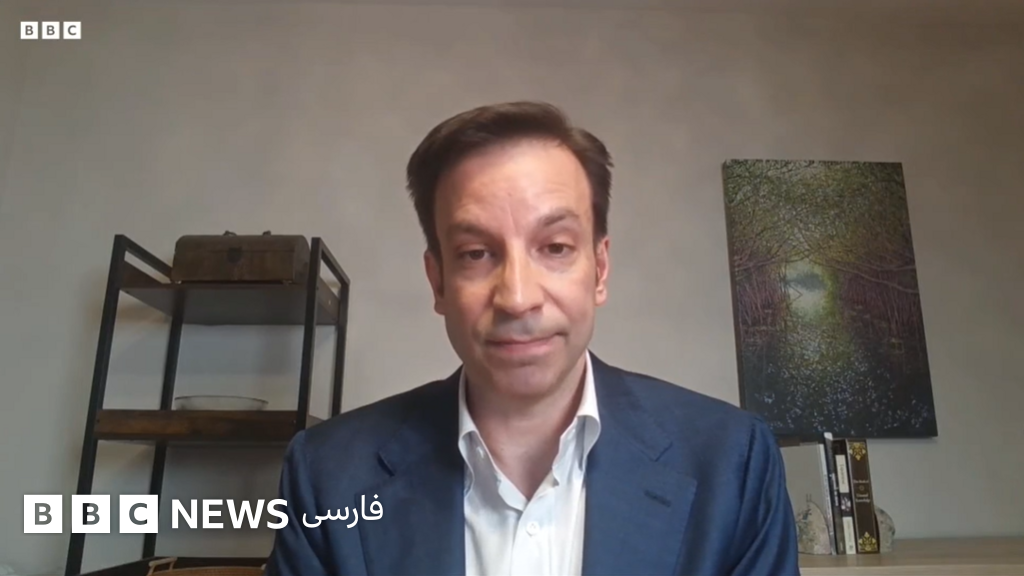
The editor of a US military newspaper has been fired for speaking out against censorship. Eric Slayton, who has worked for Stars and Stripes for 21 years, was let go after he told a reporter that he believed censorship would be a red line in the future. Slayton says he's been told he was fired for 'disobedience' and is now considering his next move.
Imagine you're a journalist, and you're trying to tell the truth about what's happening in the world. But the people in power don't want you to tell the truth, so they try to stop you. That's what's happening with Eric Slayton, the editor of a US military newspaper. He was fired for speaking out against censorship, and it's a big deal because it shows how the military is trying to control the narrative and suppress dissenting voices.
Analysis
Eric Slayton's Firing: A Concern for Freedom of the Press
The firing of Eric Slayton, the editor of a US military newspaper, is a concern for journalists and freedom of the press. Slayton was let go after he spoke out against censorship, and his case highlights the tension between the military and the press.
Slayton, who has worked for Stars and Stripes for 21 years, was fired after he told a reporter that he believed censorship would be a red line in the future. He says he was told he was fired for 'disobedience' and is now considering his next move.
The case of Eric Slayton's firing is a reminder of the ongoing tension between the military and the press. The military has a long history of trying to control the narrative and suppress dissenting voices, and the firing of Slayton is a clear example of this.
The firing of Eric Slayton is also a concern for freedom of the press. The military's attempt to control the narrative and suppress dissenting voices is a threat to the fundamental principles of a free press. The firing of Slayton is a clear example of this, and it highlights the need for journalists to be vigilant and protect their rights.
The Military's History of Censorship
The military has a long history of trying to control the narrative and suppress dissenting voices. This has been evident in the way the military has handled the reporting of the war in Afghanistan and Iraq. The military has often tried to control the narrative and suppress dissenting voices, and this has led to a number of controversies.
One of the most notable examples of the military's attempt to control the narrative is the case of the Abu Ghraib prison scandal. The scandal, which involved the abuse of Iraqi prisoners by US soldiers, was covered up by the military, and it was not until a number of whistleblowers came forward that the truth about the scandal was revealed.
The case of the Abu Ghraib prison scandal highlights the need for journalists to be vigilant and protect their rights. The military's attempt to control the narrative and suppress dissenting voices is a threat to the fundamental principles of a free press, and it is up to journalists to expose the truth and hold those in power accountable.
The Importance of a Free Press
A free press is essential for a functioning democracy. It allows for the free flow of information and ideas, and it provides a check on those in power. Without a free press, a democracy is not truly free.
The firing of Eric Slayton is a reminder of the importance of a free press. The military's attempt to control the narrative and suppress dissenting voices is a threat to the fundamental principles of a free press, and it is up to journalists to expose the truth and hold those in power accountable.
In conclusion, the firing of Eric Slayton is a concern for journalists and freedom of the press. Slayton was let go after he spoke out against censorship, and his case highlights the tension between the military and the press. The case of Eric Slayton's firing is a reminder of the ongoing tension between the military and the press, and it highlights the need for journalists to be vigilant and protect their rights.
Key points
- Eric Slayton, the editor of a US military newspaper, was fired for speaking out against censorship.
- Slayton was let go after he told a reporter that he believed censorship would be a red line in the future.
- The case of Eric Slayton's firing highlights the tension between the military and the press.
- The military has a long history of trying to control the narrative and suppress dissenting voices.
- A free press is essential for a functioning democracy.
The firing of Eric Slayton could lead to a greater awareness of the importance of a free press and the need for journalists to be vigilant and protect their rights. It could also lead to a greater understanding of the tension between the military and the press, and the need for the military to respect the rights of journalists.
The firing of Eric Slayton could lead to a greater suppression of dissenting voices and a greater control of the narrative by the military. It could also lead to a greater erosion of trust in the media and a greater polarization of society.