US seeks $61M in USDT allegedly tied to sanctioned Iranian oil sales
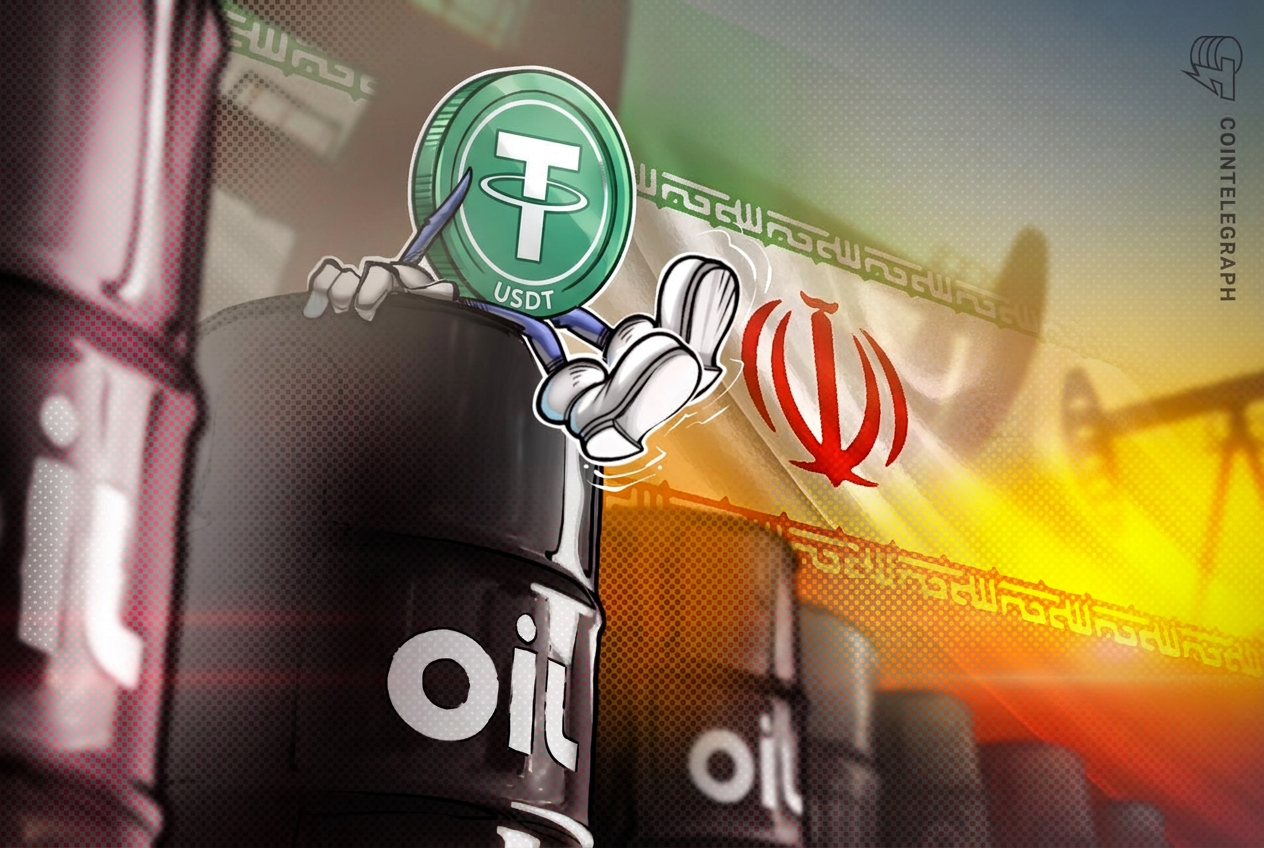
The US Department of Justice (DOJ) is seeking the forfeiture of over $61 million in Tether's USDT stablecoin, alleging the funds originated from black-market sales of sanctioned Iranian oil.
Intelligence analysis by Gemini 2.5 Flash
The DOJ claims that Hong Kong-incorporated entities, Blessed Trust and Hexa Whale, used Binance accounts to move proceeds from Iranian oil sold to Chinese buyers. A network of addresses allegedly distributed over $1.5 billion, including transfers to Iran's government and military, specifically the Islamic Revolutionary Guard Corps (IRGC). Tether froze the $61.19 million across 10 Tron…
Imagine if someone was secretly selling special oil that they weren't allowed to, and they were getting paid in digital money called USDT. The US government found out about $61 million of this digital money and believes it was going to help a country's army. So, the company that makes the digital money, Tether, froze it, like putting a pause button on a video game. Now, the government wants to take that money for good, to stop it from being used for bad things, showing that even digital money can be tracked and stopped.
Analysis
The US Department of Justice's pursuit of $61 million in USDT linked to sanctioned Iranian oil sales underscores a significant escalation in financial pressure against Tehran, leveraging the transparency and traceability of blockchain technology for enforcement. The allegations detail a sophisticated network involving Hong Kong-based entities, Blessed Trust and Hexa Whale, which purportedly utilized Binance accounts to facilitate the movement of illicit funds. This operation, according to the DOJ, was designed to circumvent international sanctions, with proceeds intended to bolster Iran's government and military, including the Islamic Revolutionary Guard Corps (IRGC).
Blessed Trust and Hexa Whale
The civil forfeiture complaint specifically names Blessed Trust and Hexa Whale as key players in this alleged scheme. These Hong Kong-incorporated companies are accused of using Binance accounts to process funds derived from Iranian oil sales to buyers in China. The DOJ's investigation traced a broader network of related cryptocurrency addresses that allegedly handled more than $1.5 billion in transactions. This extensive financial flow reportedly included transfers directed towards money-transfer businesses, cryptocurrency addresses, and an Iranian exchange, all purportedly linked to the IRGC. The involvement of these specific entities highlights the complex web of shell companies and digital asset platforms that can be exploited for sanctions evasion.
61.19 Million USDT
A critical component of this enforcement action is Tether's proactive freezing of approximately 61.19 million USDT across 10 distinct addresses on the Tron network in 2025. This action demonstrates a growing trend of stablecoin issuers cooperating with law enforcement to combat illicit financial activities. The DOJ's seizure warrant authorizes the FBI to take custody of these assets, which would involve Tether destroying the frozen tokens and issuing replacements of equal value to an FBI-controlled hardware wallet. This mechanism showcases the unique capabilities of stablecoins for asset seizure, where the issuer can directly intervene to prevent the movement of funds once a legal order is in place. The case is a civil forfeiture complaint, meaning the US would only gain permanent ownership if a court rules in its favor.
Strait of Hormuz
The timing of this forfeiture action coincides with heightened geopolitical tensions in the Middle East, particularly concerning the US-Israeli war with Iran, which began in February. This conflict has significantly disrupted energy infrastructure and oil shipments across the region, with specific impacts on vessel traffic through the Strait of Hormuz. The article notes that oil prices rose following attacks on Saudi infrastructure and continued reductions in traffic through this vital shipping lane. The broader context of the US expanding its Iran sanctions framework to include the country's digital asset sector further emphasizes Washington's comprehensive strategy to curb Iran's financial capabilities. This interconnectedness between digital asset enforcement and geopolitical stability underscores the multifaceted nature of modern financial warfare and sanctions regimes.
Key points
- The US Department of Justice is seeking to forfeit over $61 million in USDT linked to sanctioned Iranian oil sales.
- Hong Kong-incorporated entities, Blessed Trust and Hexa Whale, allegedly used Binance accounts to move oil proceeds.
- A network of addresses reportedly distributed over $1.5 billion, with funds intended for Iran's government and military, including the IRGC.
- Tether froze $61.19 million across 10 Tron addresses in 2025, and the FBI is authorized to seize these assets.
- The action aligns with Washington's expanded financial pressure on Tehran and ongoing geopolitical disruptions affecting Middle East oil shipments.
This enforcement action demonstrates the increasing effectiveness of law enforcement in tracking and seizing illicit funds on the blockchain, potentially enhancing confidence in the regulated use of stablecoins and the overall integrity of the crypto ecosystem. It also highlights the willingness of major stablecoin issuers like Tether to cooperate with authorities, which could lead to a more secure and compliant digital asset environment.
The case underscores the persistent challenge of cryptocurrencies being used for sanctions evasion and illicit financing, which could lead to increased regulatory scrutiny and pressure on crypto exchanges and stablecoin issuers globally. This could result in more stringent compliance requirements, potentially hindering innovation and accessibility within the digital asset space.
Market signals
- OIL Oil prices rose following attacks on Saudi infrastructure and continued reductions in vessel traffic through the Strait of Hormuz, as reported in the article.
AI-generated analysis of potential market relevance. Not financial advice.