Warning of Android Earthquake and Iranian Scientist Behind It; Does It Work for Iran Too?
A warning system for earthquakes, developed by Google, has been successful in alerting people in Venezuela before a recent earthquake. The system uses data from Android devices to detect the initial waves of an earthquake and alert users in the affected area. The system h…
Intelligence analysis by Llama
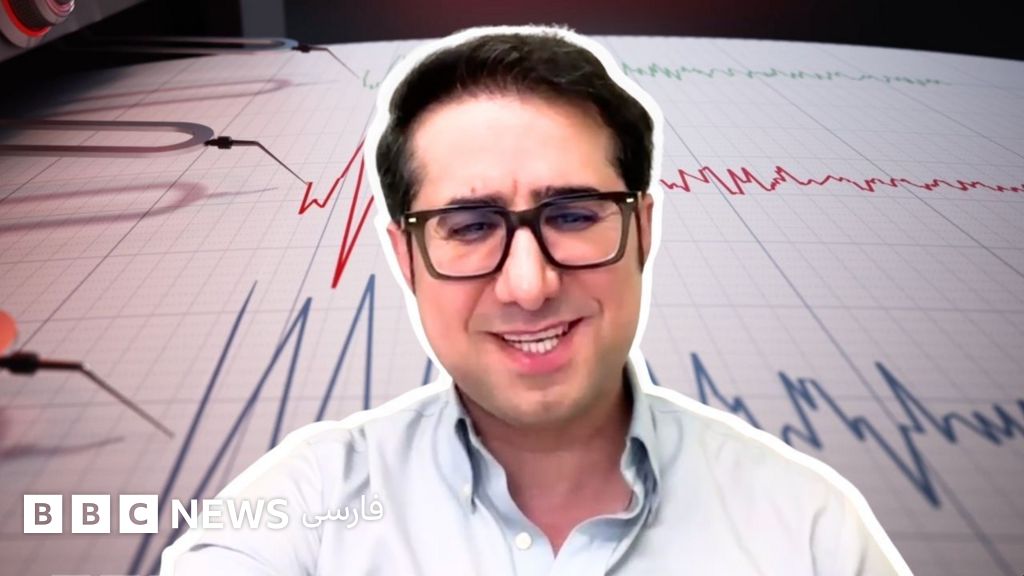
Google's earthquake warning system uses data from Android devices to detect the initial waves of an earthquake and alert users in the affected area. The system has been successful in saving lives in Venezuela, but its effectiveness in Iran is uncertain due to the country's internet and GPS issues.
Imagine you're in a place where an earthquake is happening. You get a warning on your phone that says 'earthquake alert' and you have time to run to a safe place. This is what Google's earthquake warning system does. It uses data from phones to detect the first waves of an earthquake and sends a warning to people in the affected area. It's like having a superhero that saves lives.
Analysis
A $60B Vote of Confidence
The recent earthquake in Venezuela has highlighted the importance of early warning systems for earthquakes. Google's earthquake warning system, which uses data from Android devices to detect the initial waves of an earthquake, has been successful in alerting people in the affected area. The system has been developed by a team of scientists, including Iranian scientist Mustafa Mosavi, who is a professor at Harvard University and a senior researcher at Google.
The system works by using the accelerometer in Android devices to detect the initial waves of an earthquake. The data is then sent to Google's servers, where it is analyzed to determine the location and severity of the earthquake. If the earthquake is severe enough, the system sends an alert to users in the affected area, giving them time to seek safety.
The system has been successful in saving lives in Venezuela, where it was tested in 2018. However, its effectiveness in Iran is uncertain due to the country's internet and GPS issues. Iran is one of the countries with the highest number of earthquakes, and the country's infrastructure is not equipped to handle the large number of devices that would be needed to make the system work.
Mustafa Mosavi, the Iranian scientist behind the system, believes that the system has the potential to save lives in Iran, but it requires significant investment in infrastructure and technology. He also emphasizes that the system is not a replacement for traditional warning systems, but rather a complement to them.
The system has been tested in several countries, including the United States, Japan, and Mexico, and has been shown to be effective in reducing the number of casualties and damage caused by earthquakes. However, its effectiveness in Iran is uncertain, and more research is needed to determine its potential in the country.
Why Cursor?
The earthquake warning system is a significant development in the field of earthquake detection and response. It has the potential to save lives in Iran, but its effectiveness is uncertain due to the country's internet and GPS issues. The system is a complement to traditional warning systems, and it requires significant investment in infrastructure and technology to make it work.
The Road Ahead
The earthquake warning system is a complex system that requires significant investment in infrastructure and technology to make it work. Iran needs to invest in its infrastructure to make the system effective, and more research is needed to determine its potential in the country. The system has the potential to save lives in Iran, but its effectiveness is uncertain, and more testing is needed to determine its potential.
Key points
- Google's earthquake warning system uses data from Android devices to detect the initial waves of an earthquake and alert users in the affected area.
- The system has been successful in saving lives in Venezuela, but its effectiveness in Iran is uncertain due to the country's internet and GPS issues.
- The system requires significant investment in infrastructure and technology to make it work in Iran.
- More research is needed to determine the potential of the system in Iran.
The earthquake warning system has the potential to save lives in Iran, but its effectiveness is uncertain due to the country's internet and GPS issues. With significant investment in infrastructure and technology, the system could be made effective in Iran, reducing the number of casualties and damage caused by earthquakes.
The earthquake warning system may not be effective in Iran due to the country's internet and GPS issues. The system requires significant investment in infrastructure and technology to make it work, and it is uncertain whether Iran can make this investment.